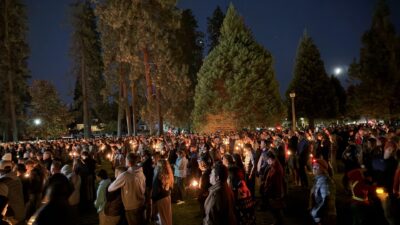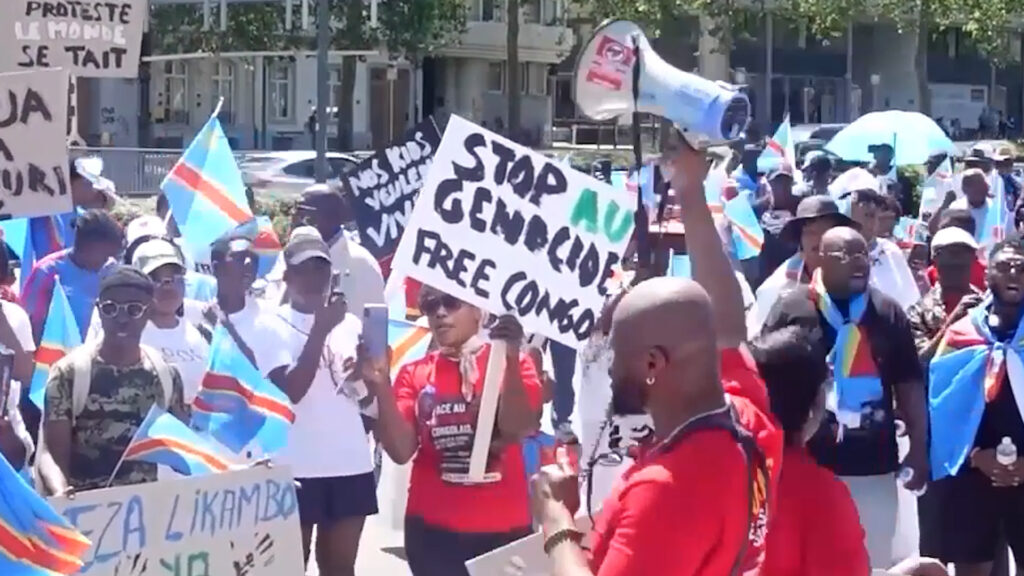
In a significant demonstration held in Brussels, Congolese protesters gathered to accuse the European Union (EU) of complicity in the ongoing violence plaguing the eastern regions of the Democratic Republic of Congo (DRC). The protesters expressed deep frustration and demanded accountability, asserting that the EU’s policies and actions—or lack thereof—have indirectly contributed to the persistence of armed conflict and human rights abuses in the region.
The unrest in eastern DRC has been marked by decades of armed conflict involving various rebel groups, government forces, and international actors, resulting in widespread displacement, suffering, and loss of life. Despite international efforts aimed at peace and stabilization, violence remains rampant, often fueled by the illegal exploitation of natural resources and complex geopolitical interests.
During the protest in Brussels, speakers highlighted the role they believe the EU plays in sustaining this turmoil, either through inadequate intervention, tacit support for exploitative economic practices, or neglect of the voices and rights of the Congolese people. The march was part of a broader campaign by Congolese civil society organizations seeking greater international scrutiny and justice for victims of violence.
This display of dissent comes amid increased global attention to the DRC’s conflicts, often characterized by the strategic significance of the region’s mineral wealth, including cobalt and coltan, vital for technology industries worldwide. Protesters urged the EU to reconsider its foreign policies and trade relations to ensure they do not inadvertently support armed groups or governance failures.
The EU has responded to similar accusations in the past by emphasizing its commitment to peacebuilding, humanitarian assistance, and support for democratic governance in the DRC. Nonetheless, advocates for Congolese rights argue that much more needs to be done to break cycles of violence and exploitation.
International observers have noted that the complexity of the DRC’s situation demands multifaceted approaches involving local, regional, and global actors. The protesters in Brussels hope their demonstration will amplify calls for a reassessment of the EU’s role and inspire action that prioritizes peace, justice, and development in the DRC.
This protest not only highlights ongoing grievances but underscores the interconnectedness of global policies and local realities. It challenges the EU and other international stakeholders to address their responsibilities transparently and effectively, ensuring that their engagement contributes positively to the resolution of conflict rather than perpetuating it.
As the situation continues to evolve, the voices of the Congolese diaspora and civil society advocacy groups will likely remain crucial in shaping international responses. The march in Brussels represents a poignant reminder of the urgent need for sustained and meaningful international collaboration to end the violence and restore stability in eastern DRC for the sake of its people and the broader region.