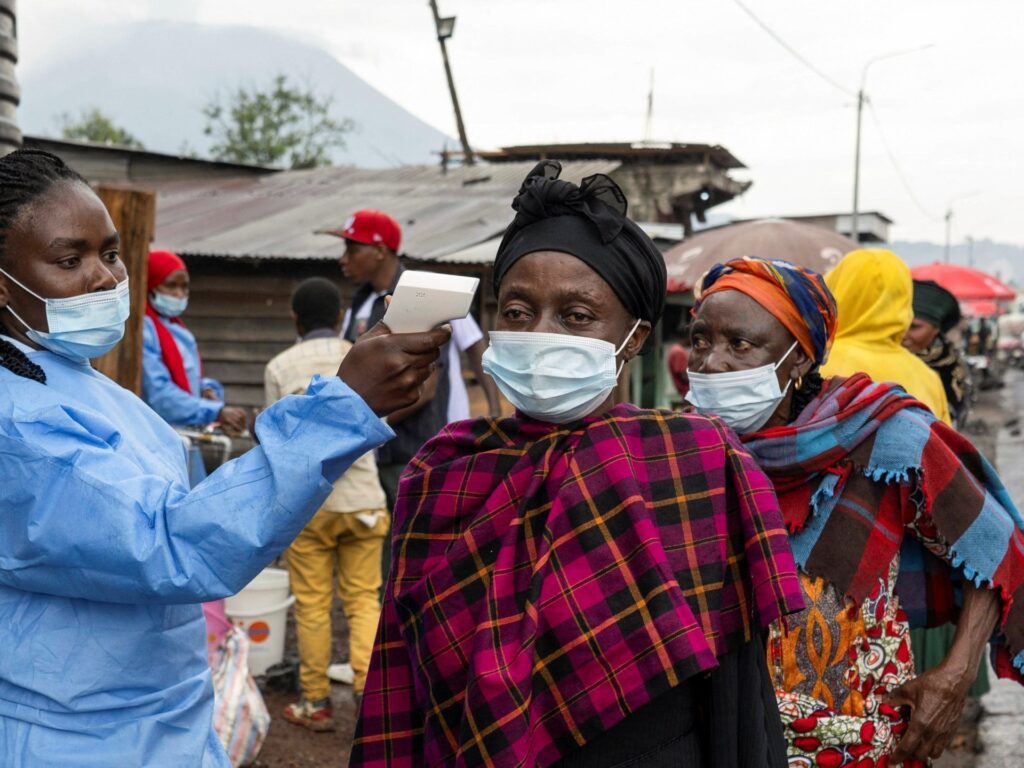
The World Health Organization (WHO) has raised alarm over the ongoing Ebola epidemic, with the number of suspected deaths reaching 220. WHO Director-General Dr. Tedros Adhanom Ghebreyesus highlighted the urgent challenge the outbreak presents, noting that the epidemic’s rapid spread is now outpacing the global health community’s response efforts.
Speaking at a briefing, Dr. Tedros emphasized that a delay in detecting initial Ebola cases has severely handicapped response teams, forcing them into a reactive stance of ‘playing catch-up’ rather than proactive containment. This lag in identification has allowed the virus to spread further and more quickly than anticipated, complicating efforts to bring the epidemic under control.
The current outbreak, which has impacted multiple regions, is described as accelerating faster than previous epidemics. Health officials are concerned about its potential to cross borders, thereby raising the risk of an even broader international health crisis.
WHO’s strategy now focuses on speeding up case detection, increasing surveillance, and mobilizing a coordinated response among affected countries and international partners. Despite these efforts, logistical challenges such as difficult terrain, limited infrastructure, and community resistance have slowed containment activities.
Dr. Tedros called for increased funding and support from the global community to help frontline responders scale up testing capabilities, deliver vaccines, and provide adequate care to those affected. He stressed that without rapid action, the epidemic will continue to grow, leading to more deaths and widespread disruption.
In addition to medical intervention, public health education campaigns are being intensified to mitigate misinformation and encourage communities to participate actively in containment measures. International organizations, governments, and local communities are urged to collaborate closely to tackle the epidemic’s multidimensional challenges.
The WHO chief’s warning underscores the critical window of opportunity to prevent a potentially catastrophic health disaster. The current figures, while alarming, may represent only a fraction of the true toll due to underreporting and surveillance gaps.
As global health authorities race against time, the focus remains on strengthening rapid response systems, deploying resources efficiently, and ensuring that no affected area is left behind in the fight against Ebola. The world watches with concern, hoping for swift containment and eventual eradication of this deadly virus.