The recent announcement by the Tigray People’s Liberation Front (TPLF) about restoring the Tigray regional government has ignited widespread fears concerning the fragile peace process in Ethiopia. This development could potentially mark a significant turning point, risking the resurgence of a deadly conflict that rocked the northern region for years.
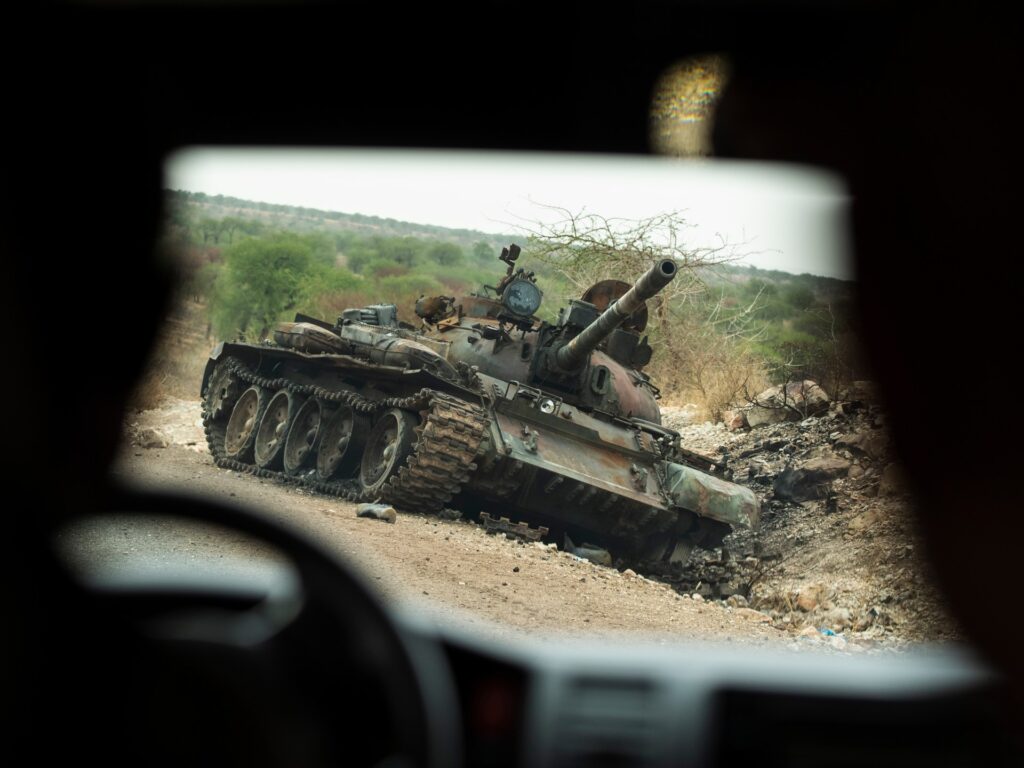
The unrest in Tigray began in late 2020 when tensions between the federal government of Ethiopia and the TPLF escalated into an armed conflict. The fighting resulted in significant humanitarian crises, including widespread displacement, famine risk, and countless casualties. A peace deal was brokered to end hostilities and initiate reconciliation and reconstruction efforts.
However, the TPLF’s recent declaration to reinstate the Tigray government raises alarm bells. Observers and the international community fear that this move could undermine the peace agreements’ delicate balance and lead to renewed clashes.
Background of the Conflict:
The origins of the conflict trace back to long-standing political disagreements between the Ethiopian federal authorities and the TPLF, which was once the dominant force in Ethiopian politics. After Prime Minister Abiy Ahmed took office in 2018, relations deteriorated, culminating in a military confrontation.
The peace deal, signed under the mediation of international partners, aimed to cease hostilities, allow humanitarian access, and create pathways for dialogue and political integration. Despite challenges, the ceasefire had brought cautious optimism.
TPLF’s Motives and Actions:
The TPLF claims that restoring the regional government is a legitimate expression of self-governance and a response to perceived marginalization. Their announcement implies the rejection of the federal government’s authority over Tigray and a desire to govern independently.
Security Implications:
Renewed political tension threatens to destabilize the region once again. The risk of violent conflict could exacerbate the existing humanitarian crisis, displacing thousands more and limiting aid efforts.
International Reactions:
Global powers and organizations have expressed concern and urged restraint from all parties involved. There are calls for renewed dialogue to avoid the spiral towards armed conflict.
Humanitarian Concerns:
The northern region has faced severe shortages of food, medical supplies, and basic services during and after the conflict. A new outbreak of violence would hamper ongoing relief operations and deepen the suffering of civilians.
Looking Ahead:
The developments demand careful diplomatic engagement and vigorous efforts to maintain peace and promote stability. Support for existing peace frameworks and inclusive political processes could be crucial in preventing a return to conflict.
In conclusion, while the restoration of the Tigray regional government by the TPLF represents a significant political stance, it simultaneously endangers the hard-won peace in Ethiopia. The coming weeks and months will be critical in determining whether dialogue can prevail over discord and whether the people of Tigray can find a lasting path to peace and recovery.