In the tumultuous landscape of Gaza, a new generation of journalists is emerging, marked by their youth, limited formal training, but remarkable determination. Despite facing formidable challenges, these young reporters are stepping forward to tell the stories of their people, driven by a fierce commitment to truth and resilience.
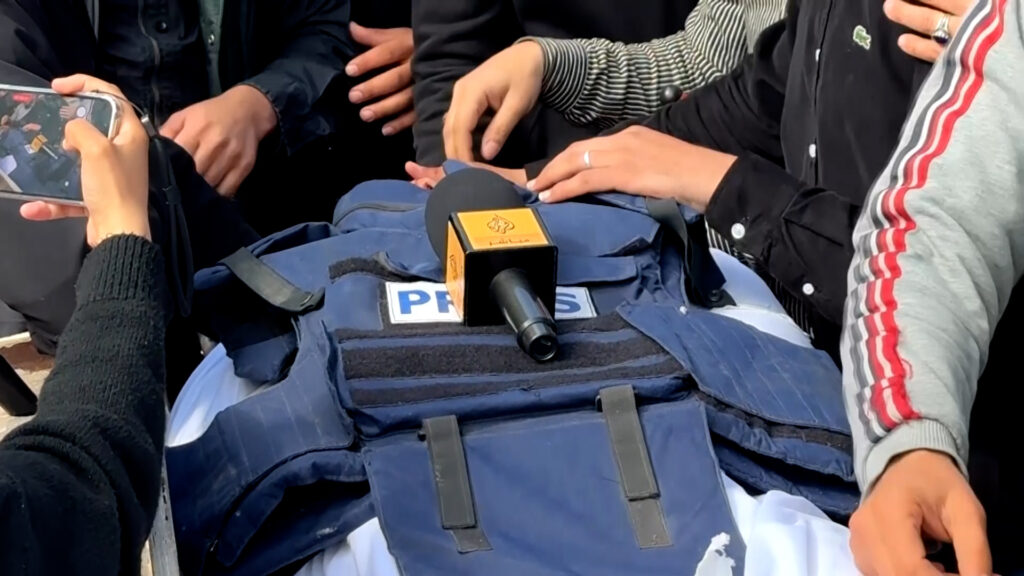
Al Jazeera’s journalist Hani Mahmoud has reported on this inspiring movement, highlighting the courage and persistence of these new voices in the field. The Gaza Strip, long known for its political instability and conflict, presents a harsh environment for any journalist. Those who venture into this profession here contend with not only the dangers of reporting stories from a conflict zone but also limited resources and ongoing restrictions.
Many of the young journalists have grown up amid these conflicts, with firsthand experience of the area’s socio-political struggles. Their personal connection to the stories they cover often fuels their dedication but also adds emotional weight to their work. Unlike seasoned journalists trained in media institutions abroad or in safer regions, these young reporters often learn on the job, relying on mentorship within their tight communities and an eagerness to improve despite obstacles.
Training opportunities are scarce, yet these journalists adapt by utilizing digital platforms, social media, and peer networks to gain knowledge and reach a wider audience. Their work encompasses a variety of media forms, including written articles, videos, and social media posts, enabling them to connect instantly with viewers around the world.
The challenges they face are numerous. They work under the constant threat of violence, censorship, and economic hardship. Communication tools and infrastructure are frequently disrupted, adding to the complexity of their roles. Female journalists, in particular, navigate additional societal barriers and risks.
Despite these hurdles, the new generation in Gaza remains undeterred. Their stories bring to light the daily realities of life under siege, the resilient spirit of their communities, and the broader political and humanitarian issues at play. Their reporting not only informs the world but also fosters a sense of solidarity and agency within Gaza.
Hani Mahmoud’s coverage sheds light on the unprecedented bravery and innovation these journalists demonstrate. With minimal resources but abundant purpose, they are shaping the narrative on Gaza’s future and proving that even in the most constrained circumstances, the voice of truth can persevere.
This new wave of journalists represents hope for a better understanding between Gaza and the global community. Their relentless efforts underscore the vital role of media in conflict zones and remind us of the power of youthful energy combined with enduring resilience.