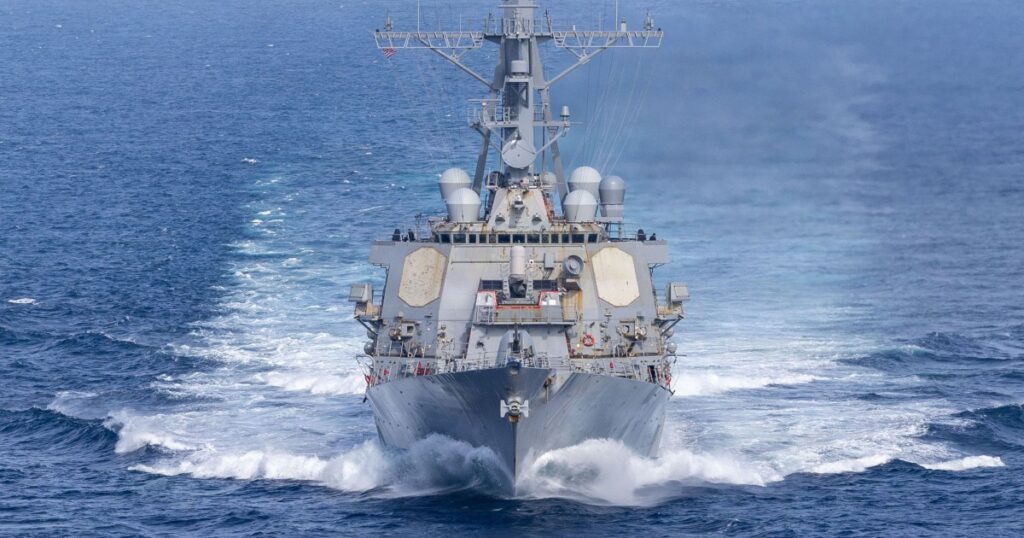
The naval blockade imposed by former U.S. President Donald Trump against Iranian ports represents a significant strategic move in the ongoing tensions between the United States and Iran. This naval blockade seeks to restrict Iran’s maritime trade, particularly its oil exports, aiming to economically pressure Tehran and curb its regional influence.
**Understanding the Naval Blockade**
Trump’s blockade primarily involves the U.S. Navy patrolling and potentially intercepting vessels suspected of trading with Iran, enforcing stringent sanctions that prohibit maritime commerce with Iranian ports. The move is part of a broader ‘maximum pressure’ campaign designed to isolate Iran economically and politically.
**Pros of the Naval Blockade**
1. **Economic Pressure on Iran:** The blockade aims to significantly reduce Iran’s oil exports, a critical revenue source for the regime, potentially crippling its economy.
2. **Curtailing Regional Influence:** By limiting Iran’s trade capabilities, the blockade may reduce Tehran’s ability to fund proxy groups and military activities across the Middle East.
3. **Demonstration of U.S. Military Strength:** The naval presence shows the United States’ naval dominance and willingness to enforce international sanctions, possibly deterring adversaries.
4. **Leverage in Negotiations:** Applying economic pressure through a blockade could bring Iran back to the negotiation table for renewed nuclear talks or concessions.
**Cons of the Naval Blockade**
1. **Risk of Military Escalation:** The blockade raises the possibility of direct naval confrontations, increasing the risk of a wider conflict.
2. **Impact on Global Oil Markets:** Interruptions in Iranian oil exports can lead to volatility in global oil prices, affecting economies worldwide.
3. **Strains on International Relations:** Key U.S. allies and global players may view the blockade as aggressive, potentially causing diplomatic friction.
4. **Legal and Diplomatic Challenges:** Blockades are often seen as acts of war under international law unless backed by the UN, raising concerns about the blockade’s legitimacy.
5. **Humanitarian Concerns:** The blockade could indirectly affect Iranian civilians by restricting access to essential goods and services.
**Can the Blockade Achieve U.S. Objectives?**
The effectiveness of the blockade in achieving Trump’s goals is mixed. While the economic pressure is real, Iran has shown resilience through alternative trade routes and partnerships with other countries willing to circumvent sanctions. Moreover, the blockade’s aggressive nature risks alienating global partners and escalating military tensions, which may undermine diplomatic efforts.
In conclusion, Trump’s naval blockade of Iranian ports serves as a potent tool of economic and political pressure but carries significant risks including military escalation, global economic impacts, and diplomatic fallout. Its success depends on balancing enforcement with international cooperation and managing the broader geopolitical risks involved.