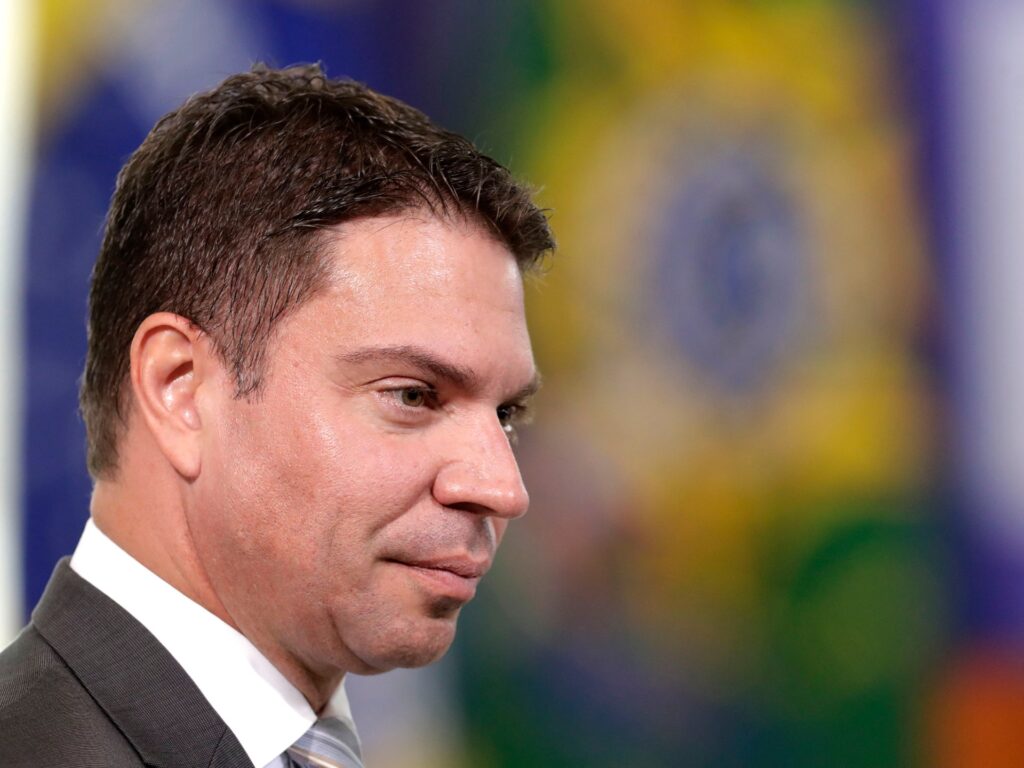
Alexandre Ramagem, the former head of Brazil’s intelligence agency, has been detained by US immigration authorities amid reports linking him to a coup plot in Brazil. According to Brazilian media, Ramagem fled Brazil after being convicted for his involvement in a scheme to overthrow the government.
Ramagem, once a prominent figure in Brazil’s intelligence community, was implicated in a political conspiracy that involved plans to destabilize the current administration. The conviction has marked a significant development in the investigation into the coup plot, highlighting the involvement of high-ranking officials in the alleged scheme.
Details regarding the nature of Ramagem’s detention by US authorities remain limited, but sources suggest that his arrival in the United States was under circumstances related to his attempt to evade justice in Brazil. The Brazilian government is reportedly working with US officials to facilitate his extradition back to Brazil to face charges.
The plot itself has been described by Brazilian officials as a serious threat to the democratic institutions of the country. Investigations have revealed a network of supporters both within and outside government ranks seeking to dismantle the established democratic order through illicit means.
Ramagem’s detention has sparked reactions across the political spectrum in Brazil, with many calling for swift legal action and transparency in the ongoing proceedings. Critics of the former intelligence chief argue that his actions have undermined national security and trust in public institutions.
Experts in Latin American politics note that this case reflects the broader challenges Brazil faces regarding political instability and efforts to subvert democratic governance. The international community has been closely monitoring the situation, emphasizing the importance of upholding the rule of law and democratic principles.
The Brazilian judiciary is expected to continue probing the extent of the conspiracy and the roles played by other individuals connected to the coup attempt. The case remains dynamic, with further revelations anticipated as investigations progress.
This incident underscores the critical need for vigilance against anti-democratic movements and reinforces the commitment of both Brazil and its allies to safeguard democratic institutions. The swift response by US authorities in detaining Ramagem indicates strong cooperation in addressing international aspects of this legal matter.
As the situation unfolds, the focus remains on ensuring justice is served and preventing similar attempts to destabilize governance in Brazil and beyond. Alexandre Ramagem’s case serves as a poignant reminder of the ongoing struggles faced by democracies in maintaining stability and the rule of law in the face of internal threats.