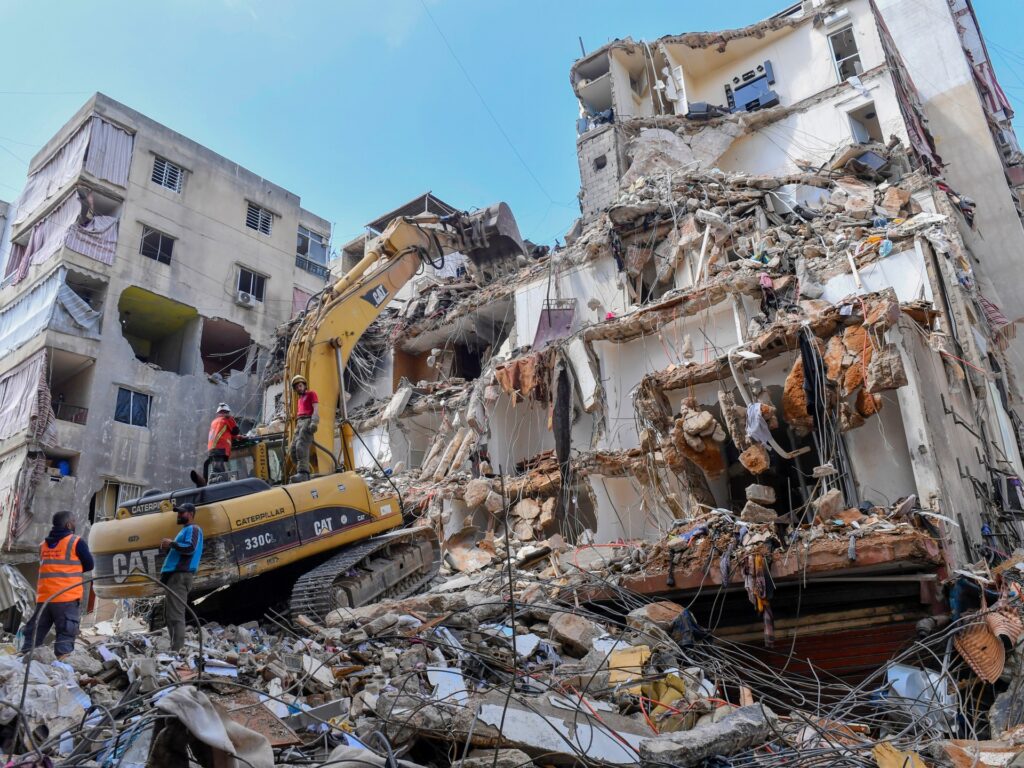
Tensions continue to escalate in the Middle East as Israel firmly rejects calls for a ceasefire with Hezbollah prior to upcoming Lebanon talks scheduled for next week. The rejection comes amid a recent surge of violence in southern Lebanon, where Israeli military operations have resulted in the deaths of at least 10 individuals, including three emergency workers.
The conflict underscores the fragile stability in the region, with both sides preparing for a critical diplomatic engagement while violence persists on the ground. Israeli officials have stated that any ceasefire proposals before the talks are unacceptable, emphasizing their stance on security concerns and the need to address perceived threats from Hezbollah.
Hezbollah, a powerful Lebanese militant and political group, has reportedly been involved in various confrontations along the border, drawing a strong military response from Israel. The recent attacks by Israel on southern Lebanon highlight the ongoing hostilities that jeopardize peace efforts.
The loss of emergency workers during these attacks exacerbates the humanitarian crisis and raises international concern over the protection of civilians in conflict zones. The killing of these responders has been condemned by multiple humanitarian organizations, urging all parties to respect international laws and safeguard non-combatants during hostilities.
The upcoming Lebanon talks are expected to focus on addressing the broader conflict dynamics, security arrangements, and pathways to reducing violence between Israel and Hezbollah. However, the rejection of a preliminary ceasefire raises questions about the potential for productive dialogue and the willingness of parties to de-escalate tensions.
International observers and diplomatic players are closely monitoring the situation, advocating for renewed commitments to peace and urging restraint from all involved. The volatile environment underscores the challenges faced by negotiators aiming to navigate a complex web of political, military, and humanitarian issues.
As preparations for the Lebanon talks move forward, the international community hopes for a breakthrough that could pave the way for lasting peace and stability in the region. Meanwhile, the impact of the recent attacks and ongoing violence continues to affect civilian populations, emphasizing the urgent need for conflict resolution and humanitarian support.
In summary, Israel’s refusal to accept a ceasefire with Hezbollah ahead of critical Lebanon talks reflects deep-seated tensions and security concerns. The lethal consequences of recent Israeli military actions, including the deaths of emergency personnel, amplify the human cost of the conflict and highlight the complexities facing peace negotiations. The coming week will be pivotal in determining whether diplomatic efforts can overcome the current cycle of violence and find a way towards durable stability in this troubled region.