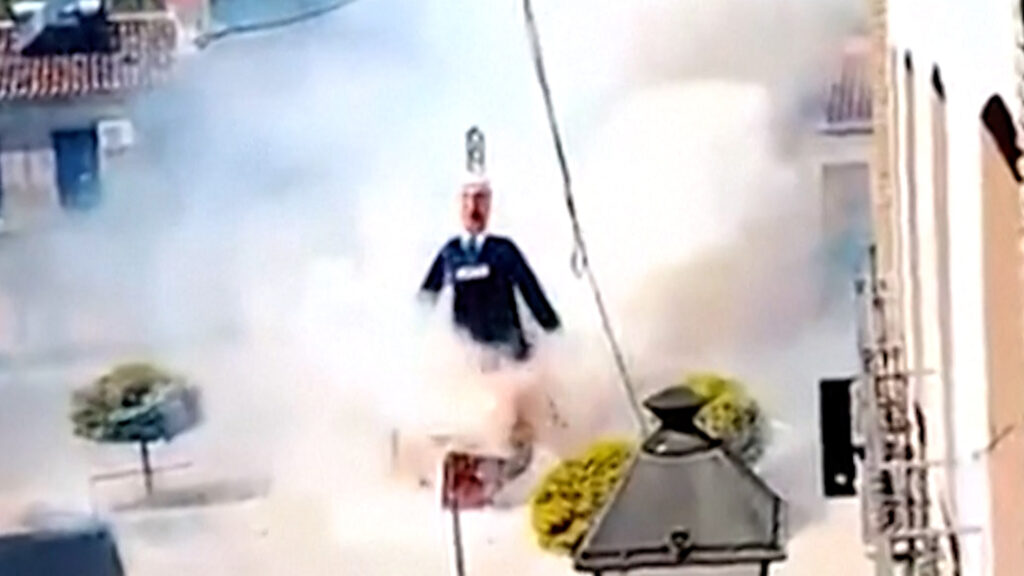
In a recent diplomatic incident, Israel has formally reprimanded Spain’s top diplomat stationed in Tel Aviv following the detonation of an effigy representing Israeli Prime Minister Benjamin Netanyahu. This act, which took place publicly, has sparked a diplomatic rift and raised tensions between the two nations.
The effigy, symbolizing the Israeli leader, was exploded in a public demonstration, an event that Israel viewed as offensive and disparaging towards its head of government. Israeli officials expressed strong disapproval, interpreting the act as a significant provocation that undermines diplomatic respect and decorum.
Spain, on the other hand, has faced international scrutiny over the event and is now dealing with Israel’s official reprimand. The identity and precise role of the Spanish diplomat involved have not been publicly disclosed, but Israeli authorities made it clear that the incident had crossed acceptable diplomatic lines.
Diplomatic relations between countries typically emphasize mutual respect and the avoidance of actions that could inflame tensions or offend national leaders. This incident represents a rare public diplomatic dispute that deviates from standard protocol.
Israel’s decision to formally reprimand the diplomat highlights the seriousness with which it views affronts to its leadership. Such diplomatic measures are intended to signal displeasure and to ensure that similar incidents do not recur, preserving the integrity of international relations.
While demonstrations and expressions of dissent can occur between nations, embassies and diplomatic personnel are generally expected to maintain a stance of neutrality and refrain from actions that could be perceived as disrespectful or provocatively symbolic.
The effigy explosion has prompted discussions on the limits of diplomatic conduct and freedom of expression within host countries. It draws attention to the delicate balance diplomats must maintain in representing their countries without inflaming host nation sensitivities.
Moving forward, both Israel and Spain are likely to engage in dialogues to mend relations and prevent further incidents. The episode serves as a reminder of the fragility of diplomatic ties and the importance of maintaining respectful interactions among international representatives.
This event also spotlights the complex role of diplomats who must navigate political sentiments and public opinion while upholding official diplomatic responsibilities. Such incidents may influence future diplomatic engagement and protocols between the two countries.
Analysts note that while the reprimand is a significant diplomatic gesture, it also reflects deeper undercurrents of political tensions that could have wider implications if not carefully managed.
In conclusion, the detonation of the Netanyahu effigy by a Spanish diplomat in Tel Aviv has culminated in an official reprimand from Israel, underscoring the incident’s gravity. Both nations face the task of repairing their diplomatic relationship, emphasizing the critical need for respect and decorum in international relations.