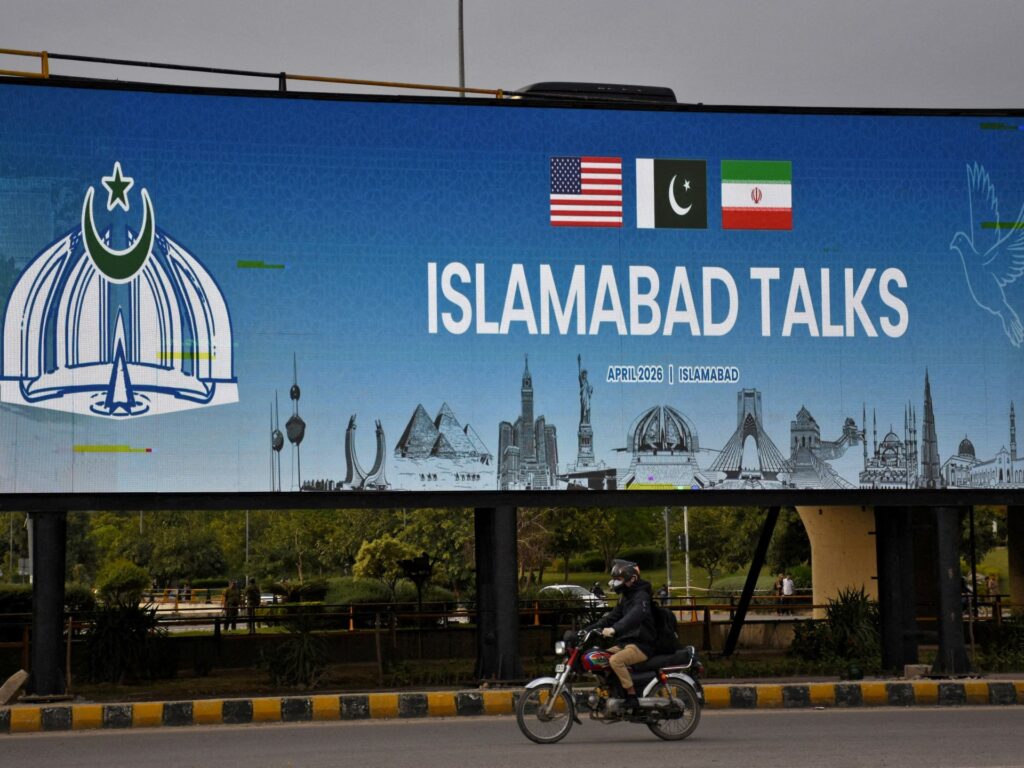
In a significant diplomatic move aimed at de-escalating tensions and averting further conflict, United States Vice President J.D. Vance has arrived in Pakistan to spearhead high-level ceasefire negotiations with Iran. This marks the most important and highest-level discussions between the United States and Iran since the Islamic Revolution of 1979, signaling a potential shift towards peace in a region that has long been fraught with geopolitical instability.
Vance’s visit to Pakistan, a key regional player with established diplomatic channels to both the US and Iran, underscores the urgency and importance of the ceasefire talks. Pakistan’s strategic position provides a neutral and accessible venue for these delicate negotiations, which aim to bring both sides to the table with a mutual commitment to reducing hostilities.
The conflict involving Iran has escalated in recent months, prompting international concern over the risk of widespread violence and regional destabilization. The United States and allied nations have been seeking avenues to halt the escalation and prevent a larger war. Vice President Vance’s role is pivotal as he brings significant political influence and diplomatic experience to the talks, highlighting the US administration’s dedication to resolving the crisis through dialogue rather than military means.
Details of the negotiation agenda remain closely guarded, but sources indicate that key topics include establishing an immediate ceasefire, mechanisms for monitoring compliance, humanitarian aid, and pathways to long-term peace and stability in the region. Both Iranian and US officials have expressed cautious optimism about reaching an agreement, recognizing the devastating consequences of prolonged conflict.
The last time such high-level negotiations occurred was prior to the 1979 Islamic Revolution, after which diplomatic ties between the US and Iran were largely severed. This development represents a historic opportunity to reset bilateral relations and contribute to peace efforts not only for Iran but for the entire Middle East.
Analysts worldwide are closely watching Vance’s negotiations, hoping that this breakthrough can pave the way for a durable peace framework that addresses broader regional concerns including security, economic stability, and political reforms.
In anticipation of these talks, Pakistan has enhanced security measures to ensure the safety of all parties involved and facilitate a smooth negotiation process. Diplomatic envoys from multiple countries have also expressed support for the initiative, underscoring the global significance of ending the conflict.
The coming days will be crucial as both sides engage in intensive discussions aimed at halting violence and building mutual trust. The international community remains hopeful that Vice President Vance’s leadership in these talks will mark the beginning of a new chapter of diplomacy and cooperation between the United States and Iran, bringing lasting peace to a volatile region.