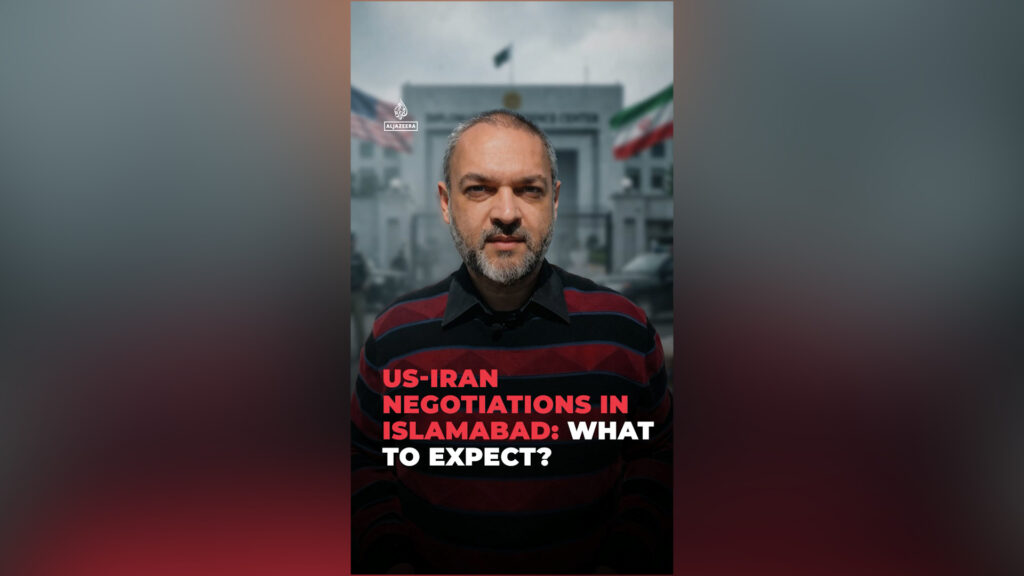
The much-anticipated US and Iranian delegations are scheduled to meet in Islamabad to initiate peace talks aimed at ending a six-week-long conflict that has gripped the region and raised global concerns. This meeting marks a significant step towards de-escalation and potential restoration of stability in the area.
The negotiations, hosted by Pakistan, are expected to focus on several critical aspects to pave the way for peace. Both sides are anticipated to discuss ceasefire agreements, humanitarian access, and measures to prevent further escalation. Given the complexity of the war and the political stakes involved, the talks are likely to be intensive and detailed.
Experts believe the negotiations could serve as a platform to address broader issues beyond the immediate conflict, including economic sanctions and regional security frameworks. The involvement of third-party mediators and international stakeholders might enhance the prospects of reaching a sustainable agreement.
Key topics likely to dominate the discussions include:
1. Ceasefire Implementation: Both parties are expected to negotiate terms for a mutual and verifiable ceasefire to halt ongoing hostilities.
2. Humanitarian Assistance: Ensuring safe passage for aid organizations to deliver relief to affected populations will be critical.
3. Political Dialogue: Opening channels for continued diplomatic engagement to resolve underlying disagreements.
4. Security Guarantees: Establishing mechanisms to prevent future conflicts and build trust between the US and Iran.
The international community has largely welcomed the talks, urging both sides to prioritize diplomacy over conflict. Analysts suggest that while challenges remain, the willingness of both parties to engage signals a potential turning point.
The choice of Islamabad as the venue highlights Pakistan’s role as a mediator in regional conflicts, reflecting its strategic interests in promoting peace and stability.
Observers will closely watch the initial rounds of talks for indicators of progress or setbacks. A successful outcome could lead to a ceasefire agreement followed by comprehensive negotiations addressing the broader geopolitical tensions between the US and Iran.
The path to peace is fraught with hurdles, but these negotiations represent hope for millions affected by the conflict. Should the talks succeed, they could set a precedent for resolving other long-standing disputes through dialogue and diplomacy.
In summary, the US-Iran negotiations in Islamabad are a critical juncture with potential global implications. The world watches with cautious optimism as these historic talks unfold, hoping for an end to the conflict and the beginning of a new chapter in US-Iran relations.