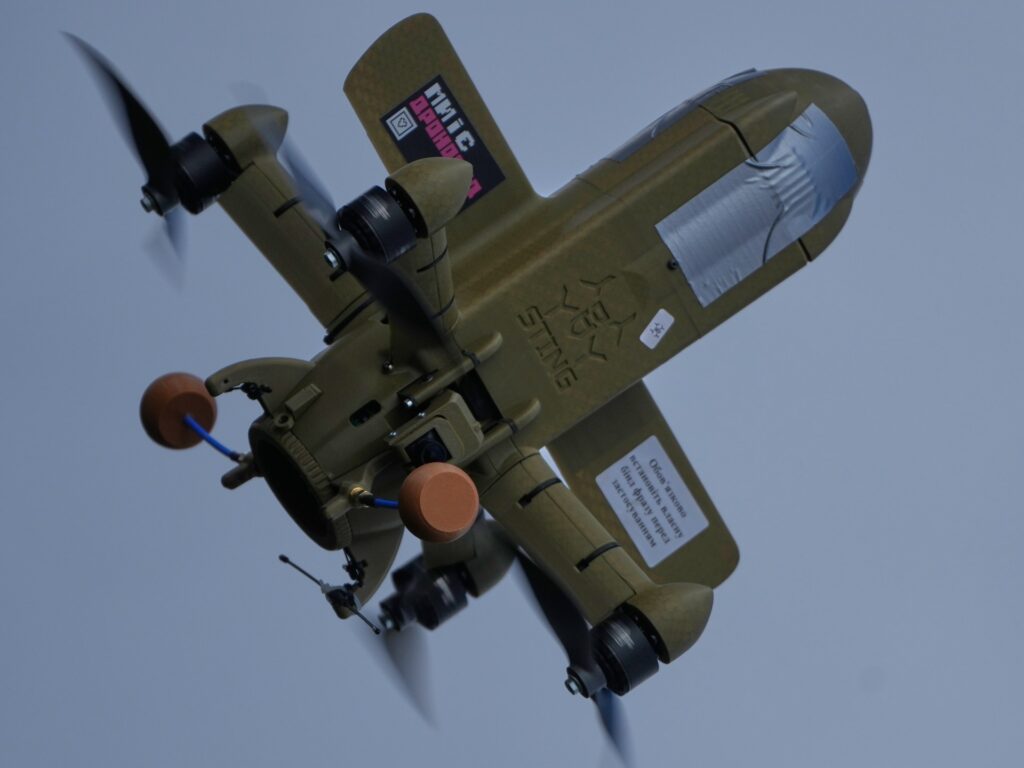
The ongoing conflict between Russia and Ukraine has taken a significant toll on Russian military forces, with reports indicating a record number of soldier casualties. The escalating losses reflect the intensity of the fighting and the increasing challenges faced by Russian troops on the ground. Concurrently, Ukraine is ramping up its drone production, bolstering its surveillance and combat capabilities in the conflict, which is contributing to Russia’s mounting difficulties.
Russian authorities have disclosed that casualty figures among their soldiers have reached unprecedented levels, signaling the severe human cost of the military engagement. This surge in casualties is impacting morale and has led to difficulties in maintaining recruitment levels. Reports suggest that fewer individuals are willing to enlist or continue service under the current conditions, potentially weakening Russian military capacity.
Territorial gains by Russian forces appear to be dwindling as Ukrainian resistance intensifies. The improvement in Ukraine’s drone technology and deployment has played a crucial role in defending strategic positions and disrupting enemy operations. The increased use of drones allows the Ukrainian military to gather real-time intelligence, conduct precise strikes, and coordinate defense efforts more effectively.
Military analysts note that the combination of high Russian casualties, declining recruitment, and advancing Ukrainian technology, such as drone warfare, is altering the dynamics of the conflict. Russian forces are facing strategic and operational challenges, while Ukrainian troops are increasingly able to hold ground and push back against incursions.
Observers highlight that the conflict’s protraction and severity underscore the critical importance of advanced technology and adaptive strategies in modern warfare. Ukraine’s emphasis on innovation in drone production is an example of leveraging technology to offset disparities in manpower and resources. This shift mirrors a broader trend in conflicts worldwide, where unmanned systems and cyber capabilities are becoming decisive factors.
The human cost of the war continues to mount, with Russian casualties drawing attention to the sacrifices being made by soldiers amid an increasingly complex battlefield. At the same time, the conflict is prompting re-evaluations of military doctrines and the role of technology in combat. As both sides adjust their tactics and strategies, the outcome remains uncertain, emphasizing the need for continued diplomatic efforts alongside military developments.
In summary, Russia’s record soldier casualties combined with Ukraine’s increased drone production signify a critical phase in the conflict. These factors contribute to shifting momentum on the battlefield and demonstrate the evolving nature of warfare in the 21st century. The situation remains fluid, and further developments are anticipated as both nations continue their military campaigns and seek a resolution to the crisis.