As the US-Israeli military campaign against Iran reaches day 36, the situation remains highly volatile and complex. Both nations continue coordinated airstrikes and strategic operations targeting key Iranian military and infrastructure sites, aiming to curb Iran’s regional influence and its nuclear ambitions. The background of the conflict centers around tensions over Iran’s nuclear program, its role in regional proxy conflicts, and long-standing geopolitical rivalries.
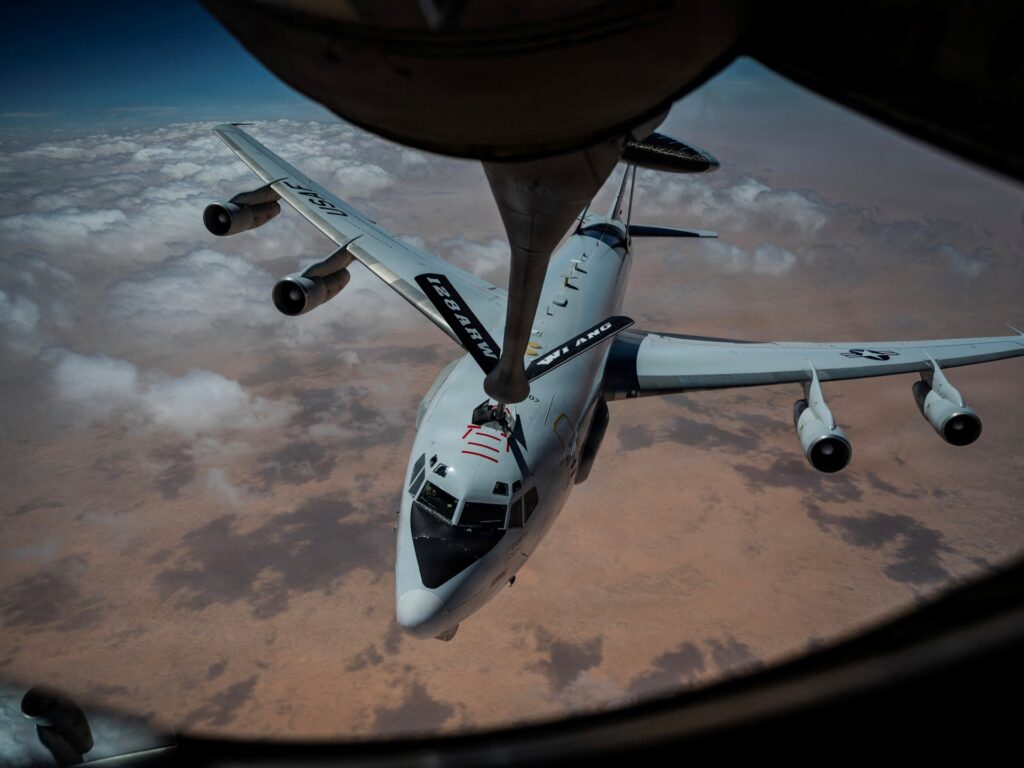
A significant development on this day is Iran’s claim to have successfully downed two US warplanes. This marks a serious escalation, highlighting Iran’s advanced air defense capabilities and readiness to counter foreign incursions. The Iranian Revolutionary Guard Corps (IRGC) released details attributing the shootdowns to surface-to-air missile systems. These claims, while yet to be independently verified, pose serious risks to the ongoing military engagement and signal potential increases in hostilities.
In addition to the losses, a search operation is underway for a missing crew member from one of the downed US aircraft, emphasizing the human cost of the conflict. This has prompted calls for diplomatic interventions to secure the safe return of personnel.
The US and Israeli forces continue to press their strategic objectives. Israel has focused on destroying Iran’s missile production facilities and logistics hubs, while the US targets command centers and missile launch sites. Despite the intense operational tempo, both nations face challenges including asymmetric warfare tactics by Iranian proxy groups and the complexity of urban strike environments.
International responses are mixed. Some global powers have called for de-escalation and renewed diplomatic talks, fearing a wider regional war. The United Nations has expressed concern about the civilian implications of continuing airstrikes. There are ongoing efforts to mediate through backchannels to prevent further escalation.
Meanwhile, Iran has vowed retaliation for the attacks, with officials promising to defend their sovereignty at any cost. This rhetoric contributes to regional anxiety and raises the stakes for neighboring countries, which are bracing for potential spillover effects.
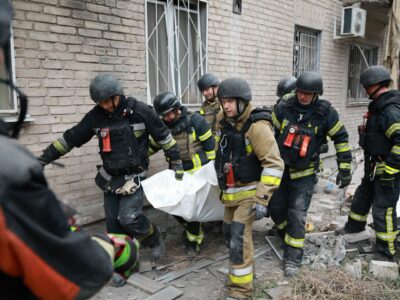
The humanitarian situation is deteriorating, with reports of casualties and infrastructure damage in Iranian cities. Aid organizations are calling for safer access to affected areas to provide medical and relief support.
This 36th day highlights the sustained intensity of the conflict, bringing into focus the strategic, humanitarian, and diplomatic dimensions that define the current Middle East crisis. The outcome remains uncertain, with significant implications for regional stability and international security.