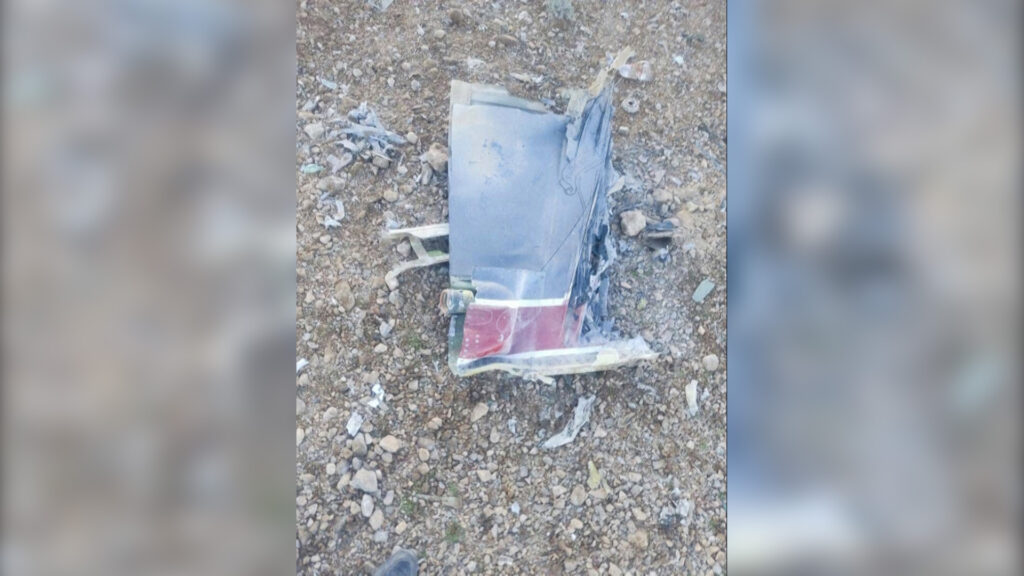
In a significant and alarming incident, a US fighter jet has been shot down in Iranian territory, drawing intense global attention and diplomatic repercussions. The White House has confirmed that former President Donald Trump has been briefed on the event, showcasing the gravity of the situation.
The circumstances surrounding the downing of the jet have not been fully disclosed, but preliminary reports suggest heightened tensions in the region have culminated in this aggressive military action. The US government is currently assessing the situation to determine the exact circumstances of the incident.
This event marks a serious escalation in US-Iran relations, which have been strained due to a variety of geopolitical conflicts and mutual distrust over the years. The incident raises immediate concerns about the safety of American military personnel and the potential for further confrontation.
Officials from both sides have offered conflicting accounts of what led to the jet being shot down. Iran claims that the aircraft violated its airspace and was warned prior to shooting, while US military sources argue that the jet was operating in international airspace.
The downing of a US military aircraft by Iran is unprecedented in recent history and represents a direct challenge to US military presence and influence in the Middle East. The US government has condemned the action and called for an international response to ensure such incidents do not recur.
The Pentagon has launched an investigation and is reviewing all intelligence and radar data related to the incident. There is significant international concern over this event, with ally nations urging diplomatic solutions to prevent escalation.
In Washington, there is a call for calm and measured response amid fears that hasty military retaliation could lead to a larger conflict. Experts suggest that the incident highlights the fragility of peace in a region already fraught with tension due to ongoing conflicts in Syria, Iraq, and Yemen.
The White House briefing to Donald Trump signals the high level of urgency and strategic importance attached to this event by American leadership. The former president’s input may influence the ongoing US policy and military posture in the region.
Meanwhile, Iran has reiterated that it is prepared to defend its sovereignty but also indicated openness to diplomatic dialogue if the US shows respect for Iranian territorial boundaries.
As the international community watches closely, the coming days are critical in determining whether this military incident will escalate into a broader conflict or pave the way for renewed diplomatic efforts.
This event serves as a stark reminder of the volatile nature of Middle Eastern geopolitics and the precarious balance between military power and diplomacy. Stakeholders worldwide remain hopeful for a peaceful resolution that avoids further loss of life and promotes stability in the region.