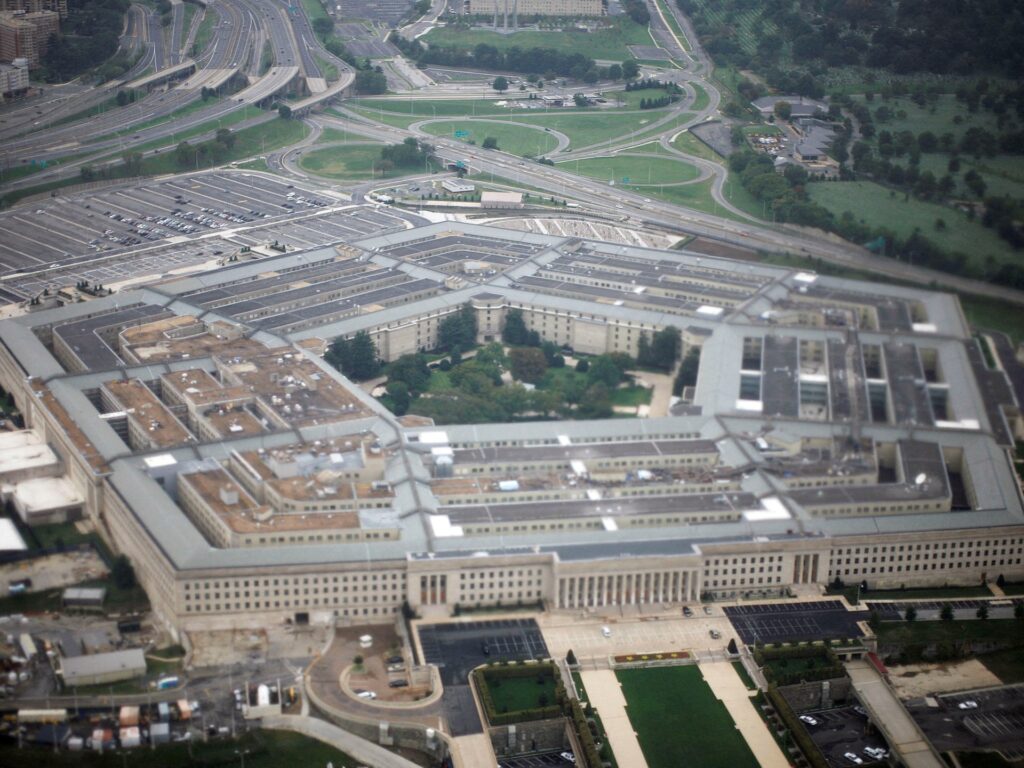
In a sweeping budget proposal to Congress, former President Donald Trump is seeking a historic $1.5 trillion allocation for the United States military. This figure represents one of the largest defense spending requests in decades and underscores the administration’s focus on bolstering national security and military capabilities.
The budget request is part of a broader fiscal plan that also includes significant cuts to domestic programs. The proposal emphasizes a shift in priorities, with a strong preference towards defense spending over domestic welfare and social initiatives.
The Trump administration argues that the increased military budget is essential to modernize the armed forces, enhance military readiness, and ensure the United States remains the world’s premier military power. The request is aimed at addressing evolving global threats, upgrading weaponry and technology, and expanding troop support and infrastructure.
Critics, however, express concern about the potential impacts of reduced funding for domestic programs, which they fear could affect education, healthcare, social services, and other vital public services. They warn that steep cuts could widen social inequalities and undermine the welfare of many American citizens.
Supporters of the budget contend that a strong defense is crucial for national security and that investing in the military stimulates innovation and economic growth through defense contracts and jobs.
This budget request is expected to ignite a robust debate in Congress as lawmakers weigh the balance between national security needs and domestic priorities. Negotiations could lead to adjustments in the proposed figures before the final budget is approved.
The $1.5 trillion military spending request is notable not only for its size but also for the political message it conveys about the Trump administration’s vision for America’s future. It signals a commitment to a powerful military stance amid complex global challenges, including rising tensions with geopolitical rivals and ongoing security threats.
As Congress reviews the proposal, key committees will scrutinize the specifics of the spending and consider the ramifications of such a significant reallocation of federal funds.
Ultimately, the decision on the defense budget will have long-lasting implications for U.S. military policy, domestic governance, and the overall direction of federal spending priorities.