A coordinated attack involving missile and drone strikes recently targeted critical infrastructure in Kuwait and the United Arab Emirates (UAE), leading to significant concerns over regional security and energy supplies.
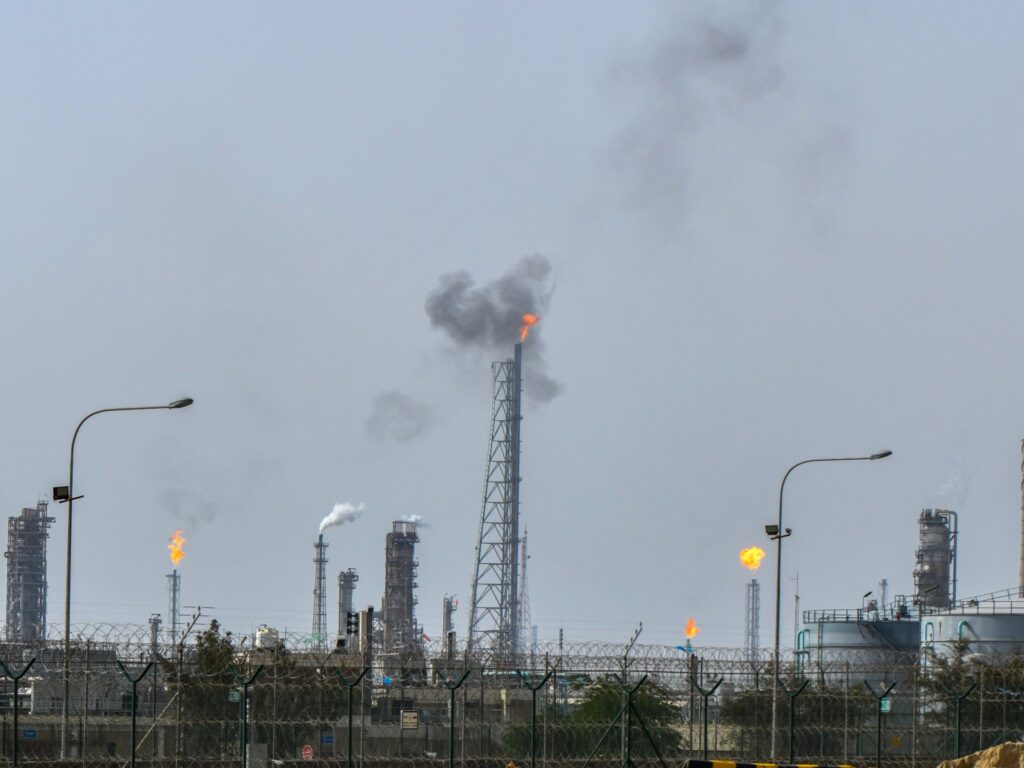
The assault focused on a desalination plant and an oil refinery in Kuwait, facilities that are vital for water purification and hydrocarbon processing within the region. These strikes have raised alarms due to the essential roles these installations play in sustaining both local populations and broader economic stability.
In Kuwait, the missile and drone attacks caused considerable damage to the desalination facility, which is responsible for transforming seawater into potable water, an essential resource in the arid Gulf region. Meanwhile, the oil refinery, crucial for processing crude oil into fuel and other products, also sustained hits, impacting production capabilities.
Crossing national borders, debris from the attacks landed in the UAE, injuring twelve people. These injuries were primarily caused by falling debris linked to a fire that erupted at a gas plant in Abu Dhabi, the UAE’s capital. Emergency services responded promptly to control the blaze and provide assistance to the injured.
This incident highlights the increasing use of drones and missiles in targeting critical infrastructure, reflecting heightened tensions and conflict dynamics in the Gulf area. The reliance on vulnerable infrastructure such as desalination plants and refineries underscores the potential for these attacks to disrupt essential resources, including water and energy supplies.
Governments in Kuwait and the UAE condemned the strikes, emphasizing their commitment to enhancing security measures to protect vital installations. Both countries have called for international support in addressing the threats posed by such attacks and ensuring the stability of critical energy and water resources.
The international community has also expressed concern over the situation, urging restraint and dialogue to prevent further escalation. The attacks serve as a stark reminder of the fragility of vital infrastructure amid ongoing geopolitical tensions in the Middle East.
Authorities in both countries are investigating the incidents to identify the perpetrators and prevent future attacks. The impact on water and energy supplies remains under assessment, with efforts underway to restore full functionality to the affected facilities.
This event underscores the broader challenges facing the Gulf region, including maintaining security amid complex regional conflicts and safeguarding infrastructure essential for economic sustainability and civilian welfare. As recovery efforts continue, regional and international stakeholders are closely monitoring developments to mitigate risks and foster stability.