In a dramatic escalation of tensions in the Middle East, Tehran has announced that it has successfully downed two US warplanes, marking a significant development in the ongoing conflict. The Iranian military declared this achievement as a strong demonstration of its continued fighting capability, sparking celebrations across the capital. This development underscores Iran’s assertion of its military strength amidst growing conflicts in the region.
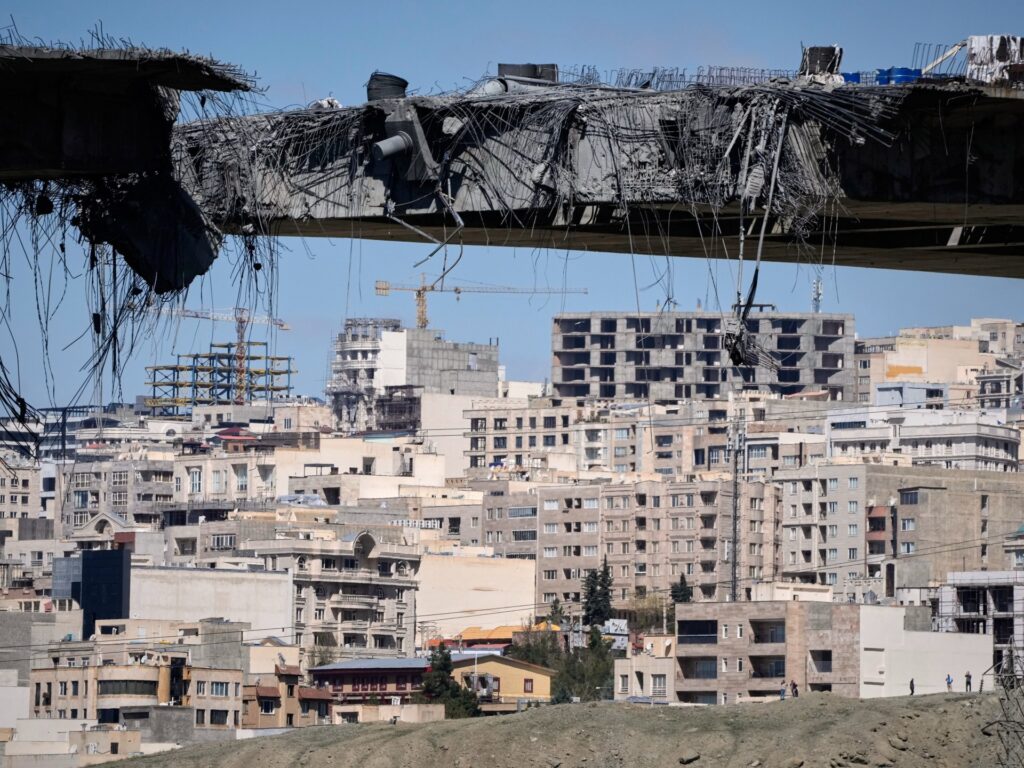
Meanwhile, Israel has reportedly launched airstrikes targeting strategic bridges in Lebanon. The strikes have added another layer of complexity to the already volatile situation, with concerns about regional destabilization rising as infrastructure in Lebanon faces increased damage. The bridges targeted are crucial for transportation and logistics, potentially affecting civilian movement and military operations.
The downing of the US warplanes by Iranian forces marks a rare and bold move against American military assets, intensifying hostilities between the two nations. Tehran’s statement emphasized that despite international pressures and sanctions, its armed forces retain significant capabilities to defend national sovereignty and counter perceived threats.
In response to these events, global diplomatic circles are closely monitoring the situation, with calls for restraint and dialogue to prevent further escalation. The international community remains wary of the potential for wider conflict stemming from these military confrontations.
Israel’s actions in Lebanon, targeting key infrastructure, are seen as part of its broader security strategy to curb threats from militant groups operating within Lebanese territory. However, the strikes have raised fears about civilian casualties and the long-term impact on Lebanon’s fragile infrastructure and political stability.
The unfolding scenario highlights the precarious nature of Middle Eastern geopolitics, where military actions by one state often trigger reactions that reverberate across neighboring countries. Analysts warn that continued military exchanges could lead to a broader regional conflict, drawing in multiple powers with vested interests.
Iran’s military celebrations in Tehran reflect a narrative of resilience and capability, aimed at both domestic audiences and international observers. The show of force via the downing of US aircraft sends a clear message of deterrence, asserting Iran’s position in the ongoing power struggles within the region.
The precise details of the incidents remain fluid, with both Iran and the US yet to provide comprehensive accounts of the events leading to the downing of the warplanes. Similarly, the extent of damage caused by the Israeli airstrikes in Lebanon is still being assessed, with reports continuing to emerge.
As the situation develops, the focus remains on the diplomatic efforts to de-escalate tensions and avoid a full-scale conflict that could have severe repercussions for the Middle East and beyond. Regional actors, along with international stakeholders, are urged to prioritize dialogue and peace-building measures in response to the recent escalations.
This episode underscores the volatility of the region and the critical importance of concerted efforts to maintain stability and prevent further military confrontations. It also reflects the deep-rooted challenges in reconciling the competing interests of different state and non-state actors across the Middle East.