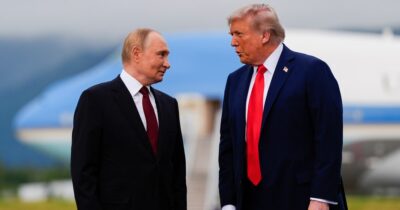
In a significant diplomatic development, Pakistan has announced its decision to persist with mediation efforts between Iran and the United States despite encountering numerous obstacles. The announcement comes amid heightened tensions following a controversial statement from former U.S. President Donald Trump, who threatened to bomb Iran ‘back to the Stone Ages.’
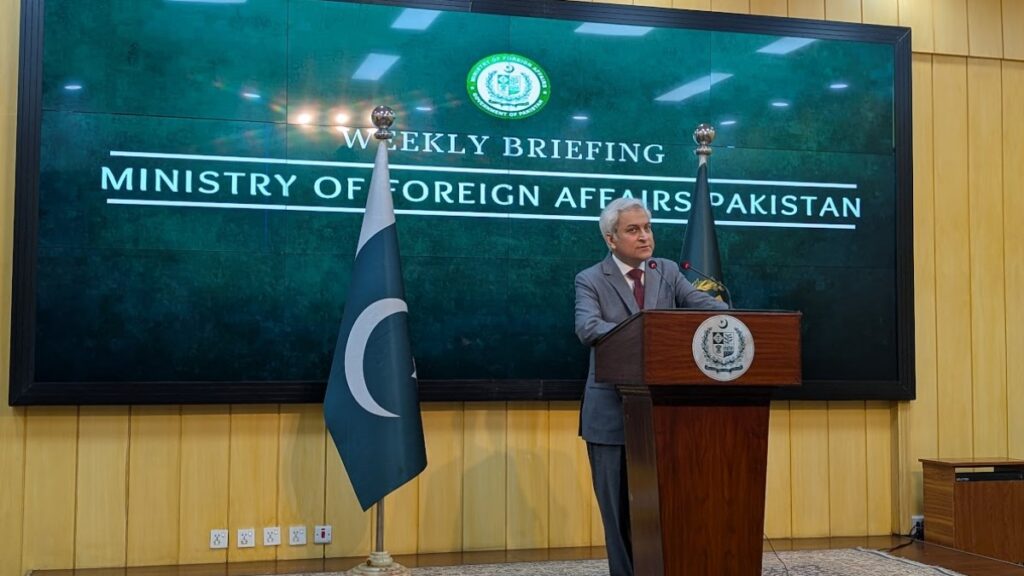
Pakistan’s Foreign Ministry released a statement reaffirming Islamabad’s commitment to fostering dialogue between Tehran and Washington. The statement emphasized that, despite the complexities and challenges inherent in the process, Pakistan believes mediation is crucial for regional stability and the prevention of conflict escalation.
This move by Pakistan is seen as an important step, given the intricate geopolitical dynamics of the Middle East and South Asia. Pakistan shares borders with Iran and has historically maintained diplomatic ties with both Iran and the United States, positioning it uniquely to act as a facilitator in bilateral talks.
The statement comes at a time when relations between Tehran and Washington remain strained, with mutual distrust amplified by decades of sanctions, political disagreements, and military confrontations. Trump’s threatening rhetoric has further aggravated tensions, raising concerns of potential conflict.
Despite these obstacles, Pakistan’s insistence on mediation reflects its broader strategic interest in promoting peace and stability in its neighborhood. Analysts note that Pakistan aims to balance its foreign relations delicately while contributing to de-escalation efforts.
The Pakistani government’s approach focuses on open communication channels and encourages constructive dialogue between Iran and the U.S. officials have indicated that Islamabad is ready to facilitate discussions at various diplomatic levels.
Furthermore, Pakistan has called on all parties involved to exercise restraint and avoid provocative actions that might undermine peace initiatives. The government underscores the importance of diplomacy and multilateral engagement to resolve overarching tensions.
Experts suggest that Pakistan’s mediation could serve as a platform for initiating confidence-building measures, although tangible outcomes will depend heavily on the willingness of Tehran and Washington to engage sincerely.
International observers have welcomed Pakistan’s continued efforts, recognizing the challenges presented by the changing geopolitical landscape. The global community remains hopeful that constructive dialogue can prevail over hostility.
In summary, despite recent threats and political strife, Pakistan remains determined to play a positive role in mediating between Iran and the United States. This resolve underscores Islamabad’s commitment to peace and stability in the region, even when faced with formidable diplomatic challenges.