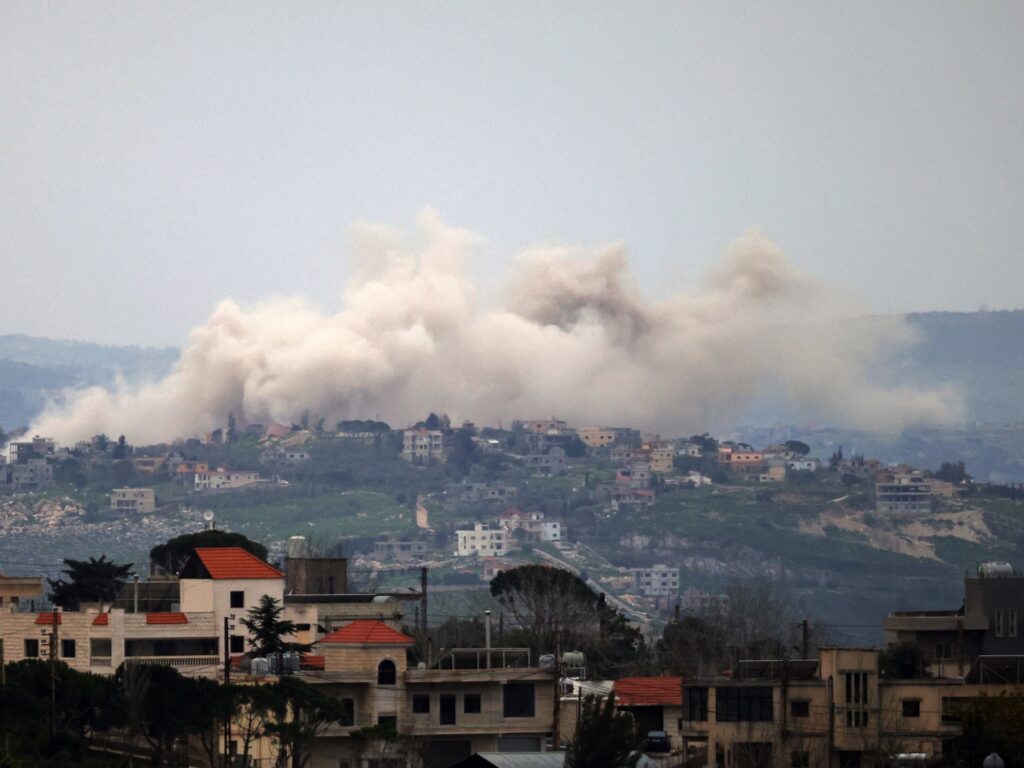
The conflict in southern Lebanon has escalated with Israeli airstrikes killing seven individuals, marking a significant intensification in the ongoing violence in the region. This surge in hostilities comes amid Israel’s concerted efforts to establish a ‘security zone’ in southern Lebanon and dismantle the Hezbollah militant group, which continues to exert considerable influence and control in the area.
Southern Lebanon has long been a flashpoint for clashes between Israeli forces and Hezbollah, a Shiite militant organization and political party based in Lebanon. The recent strikes by the Israeli military targeted areas believed to be strongholds or operational hubs for Hezbollah fighters. These air raids killed seven people, according to local sources, though the exact breakdown between combatants and civilians is yet to be confirmed.
In response, Hezbollah has intensified its ground operations against Israeli troops, employing guerrilla tactics and targeting military positions along the border. The group aims to repulse Israeli advances and maintain its foothold in the region. The fighting has led to increased casualties and heightened tensions, raising concerns about a broader conflict.
Israel’s push to establish a security zone aims to create a buffer area that would prevent Hezbollah from launching attacks into Israeli territory. This strategy involves not only military operations to neutralize militant capabilities but also attempts to control or influence the socio-political landscape to diminish Hezbollah’s power.
The situation is fluid and remains highly volatile, with both sides suffering losses. Civilians in southern Lebanon are bearing the brunt of the hostilities, facing displacement, infrastructure damage, and disruption of daily life. Humanitarian agencies have expressed alarm over the escalating violence and called for restraint from both parties.
International actors have also weighed in, with calls for de-escalation and dialogue to prevent a wider regional conflict. The strategic importance of southern Lebanon, coupled with the entrenched positions of both Israel and Hezbollah, complicates efforts to broker peace or ceasefires.
As the fighting continues, the prospects for a long-term resolution appear uncertain. The entrenched hostilities underscore the complexity of the Israeli-Lebanese conflict and the challenges of addressing the root causes of violence in the region. Analysts suggest that without significant diplomatic engagement and concessions on both sides, the cycle of violence is likely to persist.
This latest episode in southern Lebanon serves as a reminder of the fragile security situation along the Israel-Lebanon border and the enduring tensions that fuel periodic outbreaks of violence. The international community watches closely as the situation develops, hoping for a path towards lasting peace and stability in this strategically critical area.