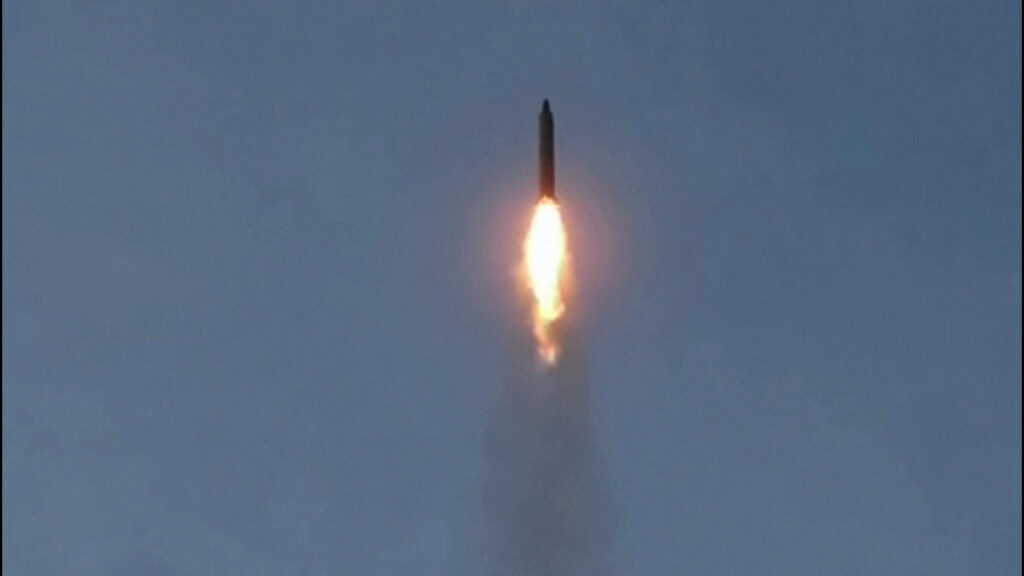
In a bold display of defiance, Iranian state media recently released footage showcasing the launch of missiles emblazoned with taunting messages aimed at former U.S. President Donald Trump. This provocative act comes amid escalating tensions between Iran and the United States, following a series of threats exchanged between the two nations.
The video depicts several missiles being fired, each marked with slogans and phrases designed to mock Trump’s statements and policies. The imagery sends a clear message of retaliation and resilience, symbolizing Iran’s refusal to back down from the ongoing geopolitical standoff.
This missile display is not just a military demonstration but a symbolic gesture intended to undermine Trump’s persona and political legacy. It highlights the deep-seated animosity between Tehran and Washington, rooted in years of diplomatic conflicts, sanctions, and military confrontations.
Iran’s state-controlled media has played a pivotal role in amplifying this act, framing it as a victory against what they perceive as American aggression and intimidation tactics. The footage has sparked widespread discussion across global media platforms, drawing reactions ranging from support in some regions to condemnation in others.
Experts note that such displays serve multiple purposes for Iran: bolstering national morale, signaling military readiness, and sending a strategic message to the international community about its defiance.
The timing of the video release is particularly significant, coinciding with renewed discussions about nuclear negotiations and regional security talks. It underscores the fragile nature of diplomacy in the Middle East and the challenges that lie ahead for peace efforts.
Despite the confrontational tone of the missile launch video, diplomatic channels remain open, with some officials urging restraint and dialogue to avoid further escalation. However, the incident reveals the complex and often volatile relationship between Iran and the U.S., which continues to influence global security dynamics.
This episode serves as a reminder of the power of media in modern warfare and diplomacy, where symbolic acts can resonate as strongly as physical combat. Iran’s missile launch video exemplifies how countries use propaganda and psychological tactics to advance their strategic interests and sway public opinion.
As the situation develops, the international community watches closely, hoping for a peaceful resolution but preparing for the potential ramifications of renewed hostilities.
In summary, Iran’s missile launch video mocking Donald Trump is more than just a show of military capability; it is a calculated political statement that reflects the ongoing struggle for influence and power in the volatile Middle East region. It highlights the enduring impact of Trump’s policies on international relations and the continuing tension between Tehran and Washington.