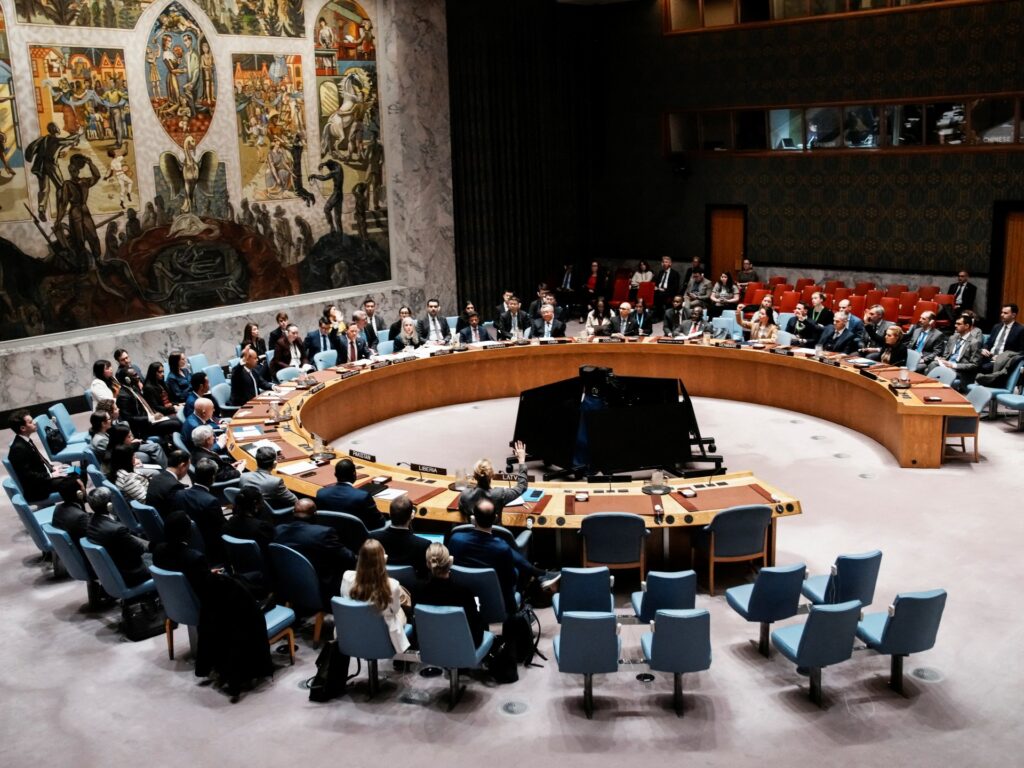
The Gulf Cooperation Council (GCC) chief, Jassim al-Budaiwi, has issued a strong appeal to the United Nations Security Council to intervene and halt Iranian attacks in the Gulf region. He stressed the importance of safeguarding the crucial maritime routes that pass through the Gulf, which are vital for global energy supplies and international trade.
Al-Budaiwi emphasized the necessity for the UN to guarantee uninterrupted navigation through all strategic waterways in the Gulf. His call comes amid escalating tensions and a series of incidents attributed to Iranian forces targeting maritime vessels, which have heightened regional instability and global economic concerns.
The Gulf waterways, including the Strait of Hormuz, serve as a critical chokepoint for the transportation of oil and gas. Any disruption in this area can have widespread repercussions on global energy markets, impacting economies worldwide.
In his address, the GCC chief highlighted that these attacks not only threaten regional security but also contravene international maritime laws. He urged the UN Security Council to take decisive action to uphold the sovereignty and safety of all member states in the Gulf region.
This plea reflects growing unease among Gulf states over Iran’s increasing assertiveness and alleged attempts to intimidate neighboring countries via targeted maritime actions. The GCC calls for enhanced international cooperation and robust mechanisms to protect commercial shipping and ensure the freedom of navigation.
Analysts note that the UN’s involvement is critical to de-escalate tensions and prevent further incidents that could escalate into broader conflict. The GCC’s appeal underscores the necessity of multilateral efforts to maintain peace and stability in one of the world’s most strategically important maritime corridors.
The situation remains volatile, with the GCC monitoring developments closely and advocating for immediate diplomatic and security measures. The international community’s response to this call will be pivotal in shaping the future security landscape of the Gulf region and safeguarding global maritime interests.