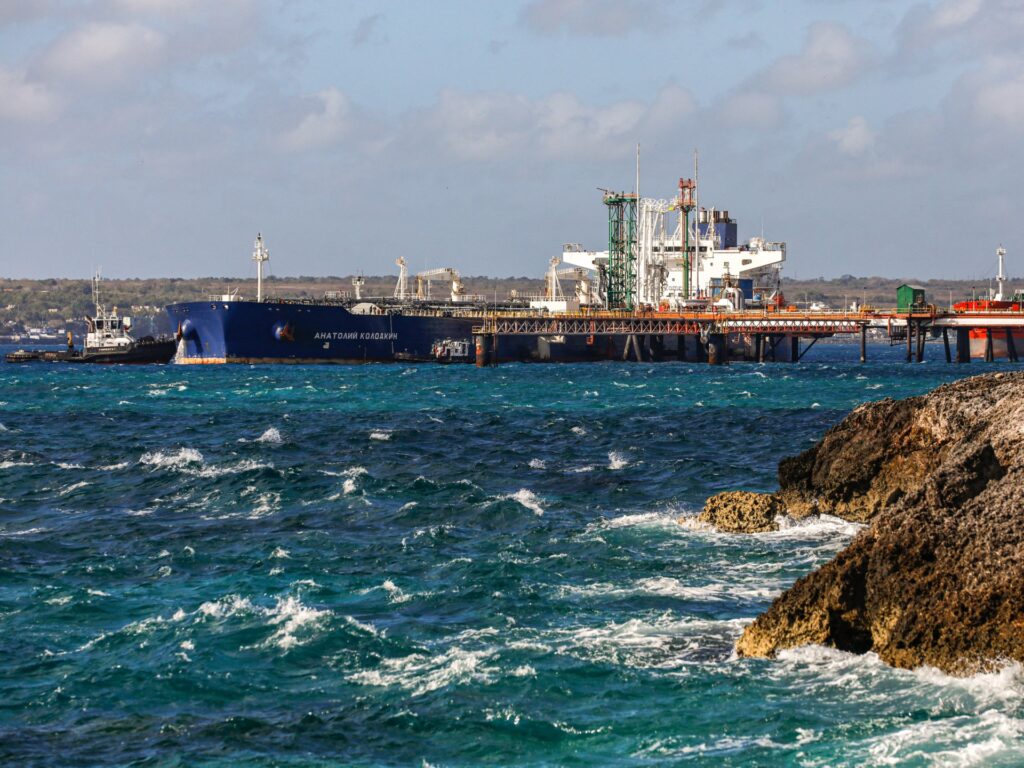
In a significant development, Russia has announced its commitment to continue assisting Cuba after the arrival of the first shipment of Russian oil to the island nation. This move comes amid ongoing geopolitical tensions and economic challenges faced by Cuba due to longstanding sanctions.
Maria Zakharova, spokeswoman for the Russian Foreign Ministry, emphasized the importance of sustaining support for Cuba during these difficult times. She highlighted that the delivery of oil marks the beginning of an ongoing partnership aimed at alleviating Cuba’s energy shortages.
Zakharova also took this opportunity to urge the United States to lift its energy blockade on Cuba, which has been a major hurdle for the island’s economic stability. The US embargo has imposed restrictions that severely limit Cuba’s ability to access fuel and energy resources on international markets.
The Russian shipment is seen as a strategic move to strengthen bilateral relations and provide Cuba with a critical lifeline amidst its energy crisis. Experts note that this assistance could help Cuba mitigate the effects of its fuel scarcity, which has impacted transportation, electricity, and industry.
Russia’s support for Cuba extends beyond the oil shipment. The Moscow government has indicated it will consider further fuel deliveries and other forms of economic aid to bolster Cuba’s resilience against external pressures.
The backdrop of this development includes a complex web of international relations where Russia and Cuba maintain a historically strong alliance characterized by cooperation in various sectors. This latest gesture reinforces Russia’s role as a key ally to Cuba on the global stage.
Meanwhile, the call for the US to lift its blockade has reignited discussions about the impact of sanctions on Cuban society. Critics argue that the embargo exacerbates hardships for ordinary Cubans, limiting access to essential goods and energy.
Supporters of the embargo maintain it is necessary to pressure the Cuban government on political and human rights issues, but growing voices advocate for reconsidering the blockade to alleviate humanitarian concerns.
The arrival of Russian oil is expected to provide some relief to Cuba’s power infrastructure, allowing for improvements in electricity supply and public services. It also symbolizes an important geopolitical shift, showcasing Russia’s willingness to counterbalance US influence in the Western Hemisphere.
This deepening cooperation between Russia and Cuba is likely to shape regional dynamics and may influence future diplomatic engagements. The Cuban government has expressed gratitude for Russia’s solidarity and signaled openness to expanding economic and energy partnerships.
In conclusion, Russia’s arrival of its first oil shipment to Cuba and the declaration of continued support marks a pivotal moment for the island nation. It underscores the ongoing geopolitical contest and highlights the importance of energy security for Cuba amidst sanctions-induced challenges.