In a recent development, Iranian officials have openly mocked a claim made by former US President Donald Trump, who stated that Iran had requested a ceasefire in ongoing conflicts. This response highlights the continuing tension and differing narratives between Iran and the United States regarding Middle Eastern geopolitics.
The claim by Trump came amidst various international efforts to de-escalate tensions and bring about peace in regions affected by conflict where Iran is a key player. However, Iranian leadership swiftly dismissed the assertion, treating it as either misinformation or a political ploy.
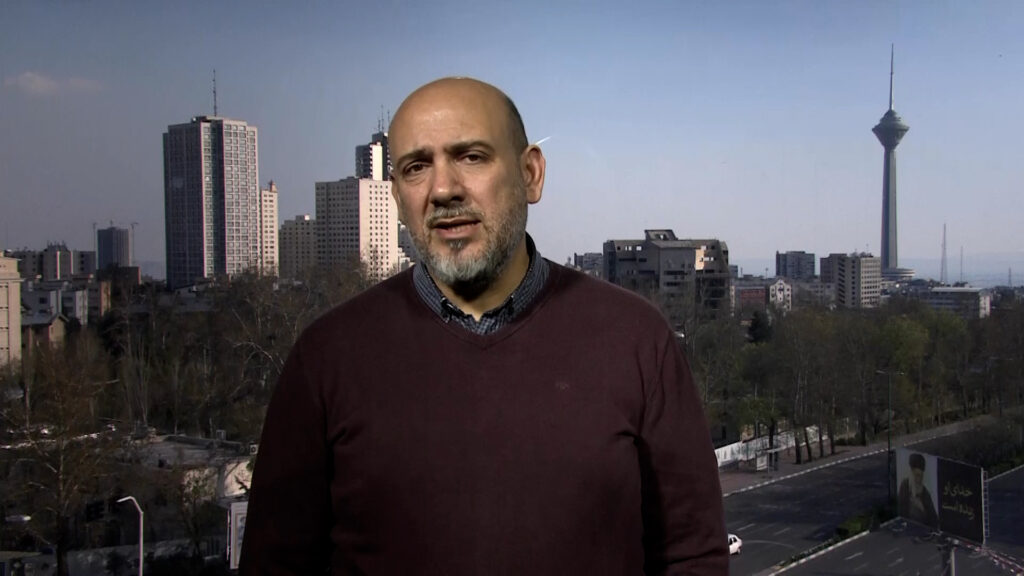
A senior Iranian official reportedly laughed off the suggestion, indicating skepticism and disbelief at the idea that Tehran would seek a ceasefire under the circumstances described by Trump. This reaction underscores the hardened stance Iran maintains concerning its policies and its portrayal on the global stage.
The backdrop to these events involves a complex web of diplomatic, military, and economic pressures that Iran faces from the international community, particularly the US. For years, Iran’s involvement in regional conflicts, coupled with the US’s strategic maneuvers including sanctions and diplomatic isolation, have fueled a narrative of mistrust and adversarial positioning.
Trump’s statement was part of a broader discourse trying to interpret Iran’s intentions in the ongoing conflicts that affect not only the Middle East but global peace and security. The claim might have been intended to signal a potential softening in Iran’s posture or to influence public and international opinion. However, the official Iranian rebuttal clearly indicates that Tehran sees itself as resilient and steadfast in its current policies.
Analysts suggest that Tehran’s dismissal of ceasefire talks could be a strategic position to maintain leverage in its regional engagements and negotiations, especially with the United States and its allies. The Iranian leadership likely views any premature ceasefire offer or acceptance as undermining its objectives and regional influence.
Moreover, this episode reflects the continuing propaganda war where both sides craft narratives to sway international perception and bolster their strategic stances. Iran’s open laughter at the claim can be interpreted as a demonstration of confidence or defiance amid the geopolitical rivalry with the United States.
Observers note that such incidents are emblematic of a broader pattern of communication styles and diplomatic interactions where statements and reactions are carefully calculated to serve domestic and international purposes. The impact of such public exchanges is significant as it affects diplomatic relations, peace efforts, and the stability of the region.
In summary, the Iranian officials’ laughter in response to Trump’s claim about seeking a ceasefire indicates a deep mistrust and a rejection of the narrative presented by the former US president. This episode adds to the complex narrative of Iran-US relations and the ongoing challenges in achieving peace and stability in conflict-ridden parts of the Middle East.