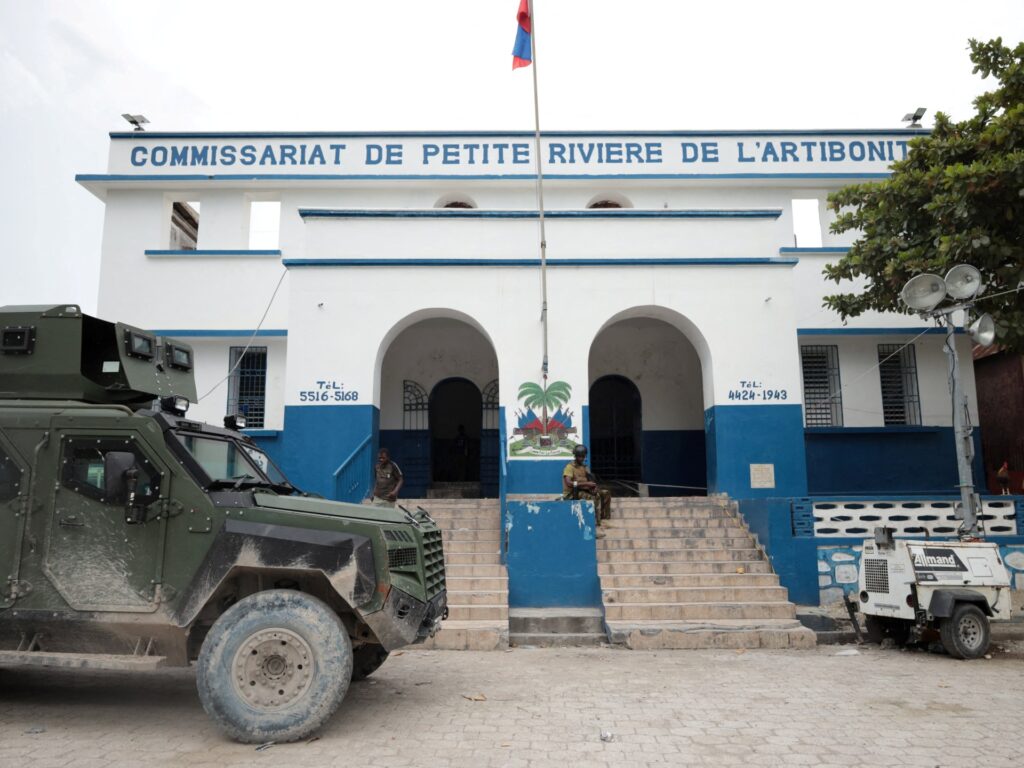
The first wave of troops from a newly established UN-backed Gang Suppression Force has arrived in Haiti, marking a significant step in international efforts to combat the escalating gang violence that has plagued the country. The deployment aims to stabilize Haiti ahead of its crucial upcoming elections, which have been repeatedly delayed due to security concerns.
This Gang Suppression Force, supported by the United Nations, has been granted an initial mandate of 12 months. During this period, the force is tasked with the challenging mission of dismantling violent gangs that have entrenched themselves in many parts of the country. These gangs have contributed to widespread insecurity, obstructed political processes, and hampered humanitarian aid efforts.
Haiti has been struggling with a severe crisis characterized by increasing violence from armed groups, which has led to a decline in public safety and governance. The arrival of international troops symbolizes a renewed commitment by the global community to assist Haiti in restoring order and supporting the democratic process.
Local authorities and international partners have expressed cautious optimism that the presence of well-trained and equipped peacekeepers will help create safer environments for citizens and facilitate free and fair elections. The force’s activities will include securing key urban areas, protecting voters and electoral institutions, and collaborating with Haitian police forces to enhance law enforcement capacity.
The 12-month timeframe for this mission is designed to provide a focused and flexible response, with the possibility of extending the operation depending on the security situation’s evolution. The UN Security Council has emphasized the importance of this mandate as a critical component of a broader strategy to promote peace and stability in Haiti.
In addition to addressing gang violence, the Gang Suppression Force will play a vital role in boosting confidence among the Haitian population and political stakeholders. Their presence is anticipated to encourage political dialogue and foster conditions conducive to democratic governance.
The challenges ahead are formidable, as gangs have deeply rooted networks and significant influence in various neighborhoods. However, the international community’s intervention aims to disrupt these groups’ operations and restore the rule of law.
This mission aligns with previous UN and international efforts focused on peacebuilding and post-crisis recovery in Haiti. Coordination with humanitarian organizations will also be crucial to ensure aid delivery is unhindered in conflict-prone areas.
As Haiti prepares for elections, the Gang Suppression Force’s deployment is a critical move to safeguard the electoral process and ensure that citizens can exercise their rights without fear of violence. The success of this operations could serve as a pivotal moment in Haiti’s recovery journey and demonstrate the positive impact of international collaboration in resolving complex security challenges.