Relations between Qatar and Iran have taken a serious downturn following recent attacks by Iran on neighboring countries, which Doha describes as crossing ‘many red lines.’ The escalating conflict has not only heightened regional tensions but also cast a shadow over diplomatic ties between the two nations.
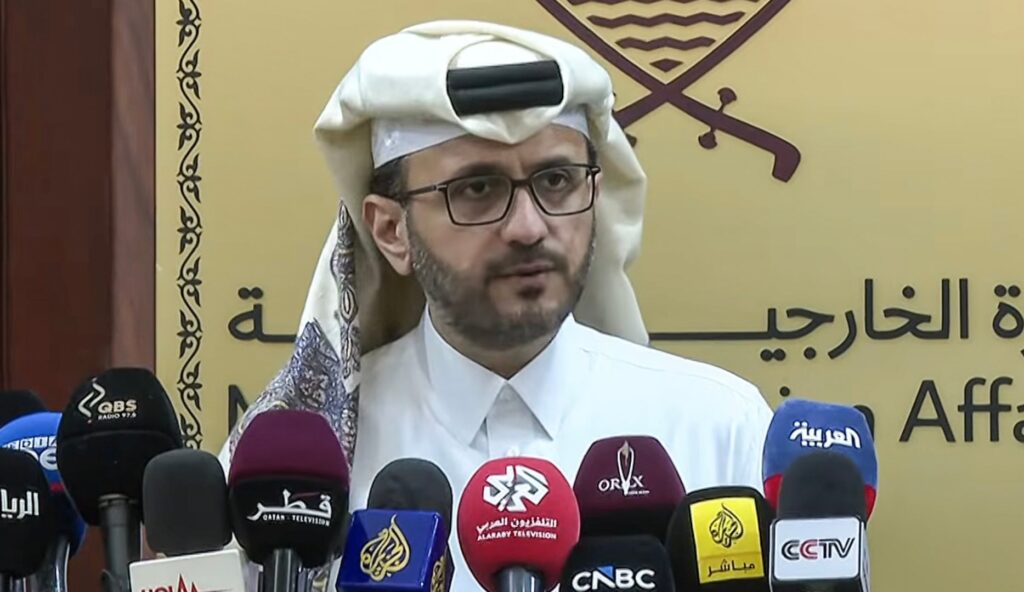
Qatar’s government has issued a strong statement condemning Iran’s aggressive actions, emphasizing the catastrophic impact these attacks have on bilateral relations and regional stability. According to officials in Doha, the attacks jeopardize decades of cautious diplomacy and cooperation in a geopolitically sensitive area.
The recent Iranian military strikes targeting neighboring states have sparked widespread concern among Gulf Cooperation Council (GCC) countries, with Qatar joining in the chorus of condemnation. The attacks are seen as a provocative escalation, severely undermining peace efforts in the Gulf region.
Analysts note that Qatar’s remarks signal a significant shift in its previously more conciliatory approach towards Tehran. Historically, Qatar has maintained a complex but pragmatic relationship with Iran, balancing economic cooperation with political differences. However, Iran’s recent actions appear to have shattered this delicate balance.
The diplomatic fallout is expected to impact trade, security cooperation, and joint initiatives in energy and infrastructure between Qatar and Iran. Additionally, analysts anticipate a realignment of regional alliances as a response to the growing threat perceived from Iran’s assertive policies.
Regional experts warn that the conflict carries the risk of further destabilizing an already volatile Middle East, where proxy conflicts and rivalries among major powers have long fueled unrest. Qatar’s public condemnation could pave the way for stronger Gulf unity against perceived Iranian expansionism.
International actors have called for restraint on all sides and urged dialogue to prevent the situation from spiraling into a broader confrontation. The United Nations and other global organizations continue to monitor developments closely, advocating for diplomatic solutions to ease tensions.
In the immediate term, Qatar is focusing on reinforcing its defense capabilities and strengthening relations with allies to safeguard its national security interests. The situation remains fluid, with the potential for further diplomatic exchanges or escalations.
Observers stress the importance of ongoing dialogue and negotiations to address the root causes of the conflict. They highlight that sustainable peace in the Gulf would require addressing underlying political, sectarian, and economic grievances that fuel hostility.
As this regional crisis unfolds, the international community watches keenly, hopeful that Qatar and Iran can eventually find a pathway back to constructive engagement to promote stability and prosperity in the Gulf region.