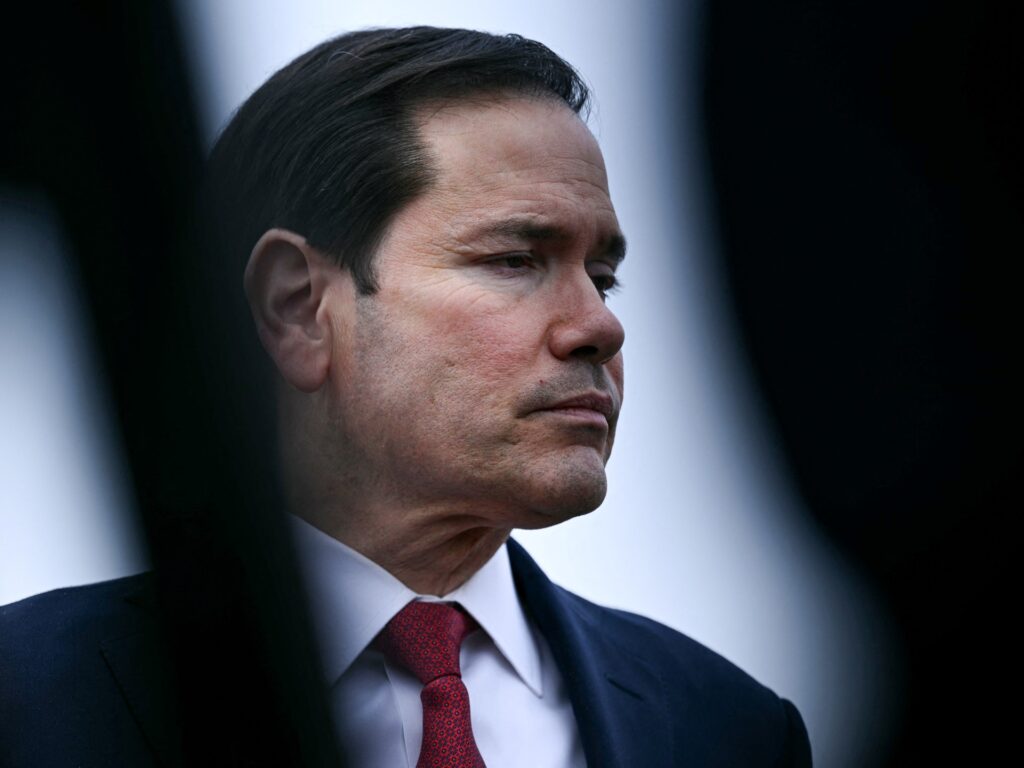
In a candid and exclusive interview with Al Jazeera, a leading US diplomat, Senator Marco Rubio, conveyed a firm stance regarding the strategic Strait of Hormuz, a vital maritime chokepoint for global oil shipments. Rubio declared unequivocally that the Strait will reopen ‘one way or another,’ reflecting the escalating tensions between the United States and Iran. Established as a critical route for nearly a fifth of the world’s oil tanker traffic, the Strait of Hormuz is frequently the center of geopolitical friction, particularly involving Iran and its neighbors.
Rubio underscored that the Trump administration is actively pursuing diplomatic channels to resolve the standoff. The senator highlighted that President Trump’s approach is predicated on diplomacy but backed by a robust demand that Iran halt its nuclear ambitions and missile program. This dual strategy seeks to avoid direct military conflict while applying maximum pressure on Iran to comply with international norms and agreements.
The diplomat criticized Iran’s ongoing missile tests and nuclear advancements as provocations that threaten regional stability and global energy security. According to Rubio, these actions have compelled the U.S. to consider all options to ensure the safe and unimpeded flow of maritime traffic through the Strait.
Emphasizing diplomacy, Rubio noted that the United States remains open to negotiations but insists that any progress must include verifiable dismantling of Iran’s military nuclear capabilities and cessation of missile tests. The stakes are high, he elaborated, because any blockage or closure of the Strait of Hormuz could disrupt global oil markets and precipitate a broader conflict.
Rubio’s remarks came amidst heightened military posturing in the Gulf region, where both the United States and Iran have shown increased readiness. The U.S. has deployed additional naval assets to the area as a show of force and reassurance to regional allies. Meanwhile, Iran has reiterated its stance against foreign interference and defended its right to self-defense and sovereignty.
The senator’s interview sheds light on the intricate balance the Trump administration seeks to maintain — combining diplomatic efforts with a clear demonstration of resolve to prevent Iran from destabilizing the region further. The dialogue also reflects ongoing international concerns over Iran’s compliance with the Joint Comprehensive Plan of Action (JCPOA) and broader non-proliferation objectives.
In conclusion, Rubio’s statement that the Strait of Hormuz will reopen ‘one way or another’ signifies a determined U.S. commitment to uphold international maritime laws and safeguard global energy supplies. While diplomacy remains the preferred path, the U.S. signals readiness to act decisively to counter any threats posed by Iran’s nuclear and missile activities, aiming to stabilize a region critical to international peace and economic security.