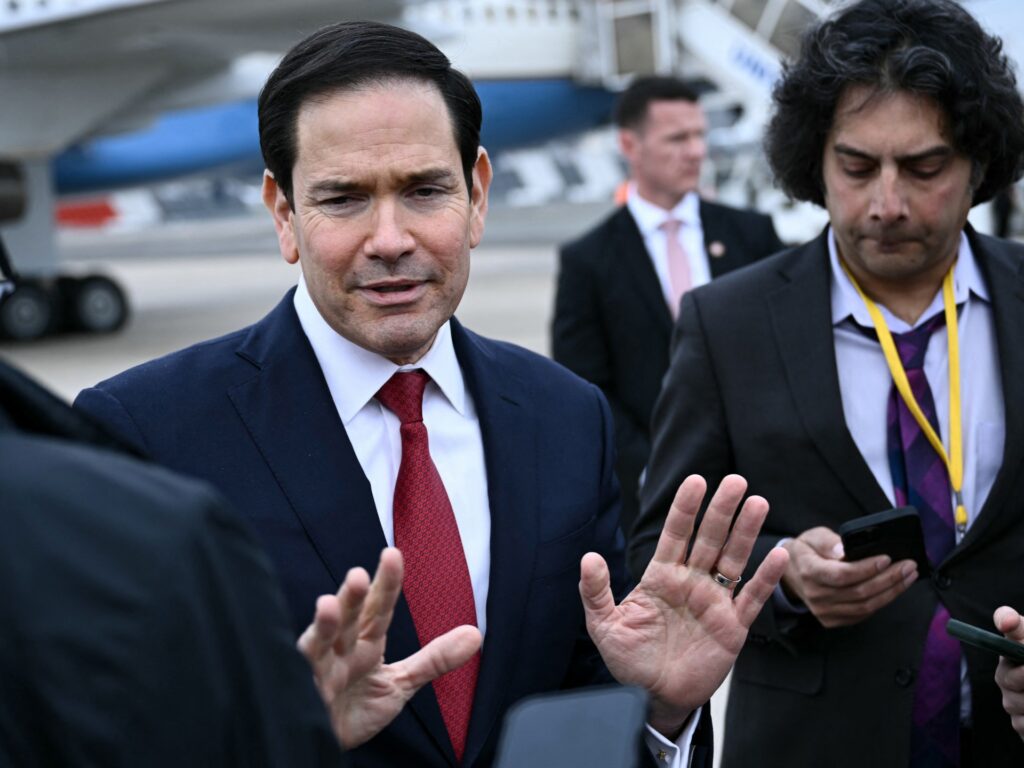
In an exclusive interview, Senator Marco Rubio, one of the United States’ leading diplomats, emphasized that the strategically crucial Strait of Hormuz will reopen ‘one way or another’ despite ongoing tensions related to Iran. Rubio’s remarks come at a time when concerns over a potential war with Iran have heightened, particularly focusing on Iran’s nuclear and missile programs.
The Strait of Hormuz is a vital passage for global oil shipments, with a significant portion of the world’s petroleum passing through this narrow waterway. Any closure or disruption could send shockwaves through global energy markets and severely impact the international economy.
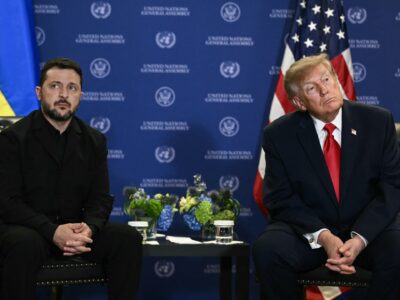
Rubio highlighted that the current U.S. administration, under former President Donald Trump, is prioritizing diplomacy as the path forward. Trump, according to Rubio, is seeking diplomatic solutions while firmly demanding that Iran cease its nuclear development and missile activities that threaten regional and global security.
The U.S. has maintained a tough stance against Iran’s nuclear ambitions, imposing a series of sanctions aimed at curbing Iran’s ability to advance its nuclear program. Rubio’s statement signals continued pressure and potential strategic moves to ensure the Strait remains open and safe for commercial navigation.
Iran’s leadership has previously threatened to close the Strait in retaliation against U.S. actions and sanctions, raising fears of a military confrontation in the region. Rubio’s confidence in the reopening of the Strait underscores a resolve to maintain freedom of navigation and prevent any hostile interruption to international trade routes.
The top U.S. diplomat’s interview sheds light on the ongoing geopolitical tensions and the complex balancing act the U.S. faces in managing pressure on Iran while avoiding escalation into full-scale conflict. Rubio’s assertion that the Strait will reopen ‘one way or another’ may imply that, aside from diplomatic efforts, the U.S. is prepared to take other measures if necessary to secure this vital chokepoint.
Analysts view Rubio’s statement as a signal of unwavering U.S. commitment to keeping critical global waterways open, especially amidst rising threats from Iran’s military capabilities. The international community continues to watch closely as diplomatic engagements and military posturing evolve in the Gulf region.
As the situation develops, the global economic and security implications of the Strait of Hormuz remain paramount. Rubio’s comments reinforce the importance of diplomatic channels combined with strategic readiness to address the challenges posed by Iran, ensuring that vital trading routes remain uninterrupted and that regional stability is preserved.