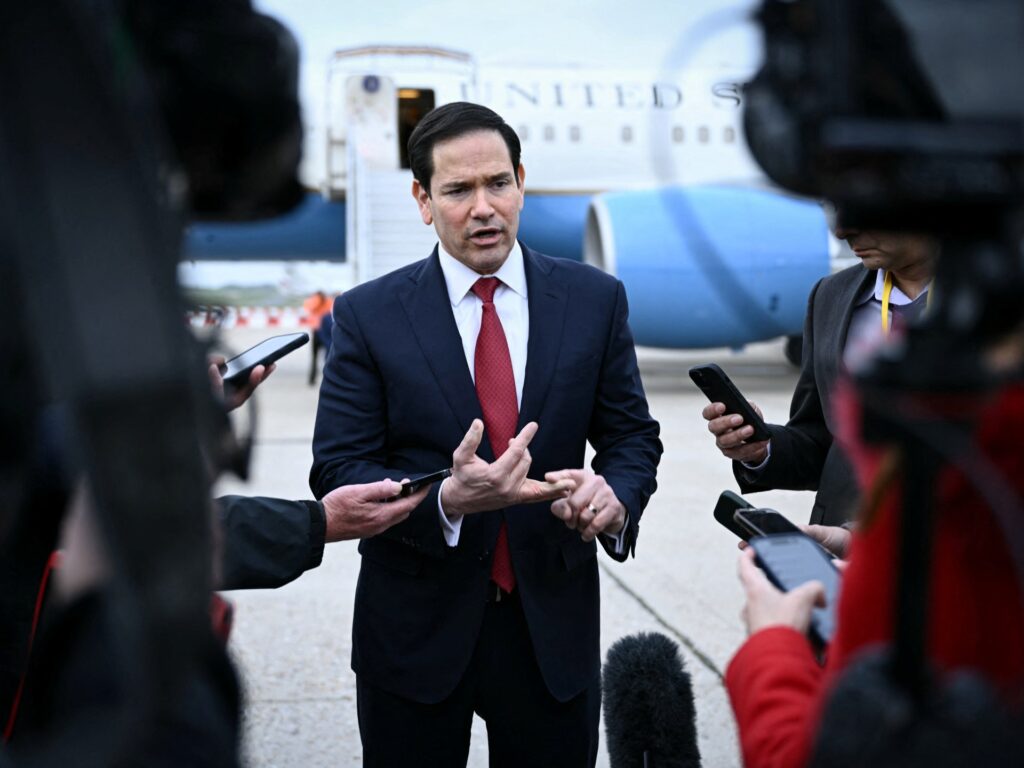
US Secretary of State Marco Rubio engaged in an exclusive interview with Al Jazeera’s Hashem Ahelbarra, discussing critical topics surrounding the ongoing war scenario involving Iran. This detailed conversation shed light on the US government’s position, strategic intentions, and the broader implications of the conflict in the Middle East.
Rubio articulated the United States’ firm stance against Iran’s aggressive activities, emphasizing the need for a robust response to deter further destabilization in the region. He underscored the importance of diplomatic efforts combined with strategic pressure to compel Tehran to alter its current trajectory.
Throughout the interview, Rubio detailed the complexities of the Iran situation, noting the challenges posed by Iranian influence and military presence across neighboring countries. He expressed concern over Iran’s support for proxy groups that contribute to regional conflict and instability.
Rubio also highlighted the role of international coalitions and alliances in countering the threats emanating from Iran. He emphasized the necessity for cohesive action among allies to maintain security and promote peace in the Middle East.
When asked about the potential for direct military engagement, Rubio was cautious but clear that the US would not hesitate to act if its national security interests were threatened. He stressed that diplomacy remains the preferred approach but acknowledged the unpredictable nature of the conflict.
Additionally, Rubio addressed the economic implications of the war on Iran, including sanctions and their impact on both the Iranian regime and global markets. He reiterated support for measures aimed at constraining Iran’s economic capabilities to fund military operations.
The interview also touched upon humanitarian concerns, with Rubio affirming the US commitment to protecting civilian lives and supporting aid efforts amidst the turmoil.
Overall, Marco Rubio’s discussion with Al Jazeera illuminated key aspects of the US foreign policy approach towards Iran, reflecting a balance between diplomatic engagement, strategic pressure, and readiness to respond to emerging threats. This candid conversation provides valuable insights into the ongoing efforts to navigate one of the most pressing geopolitical issues of our time.