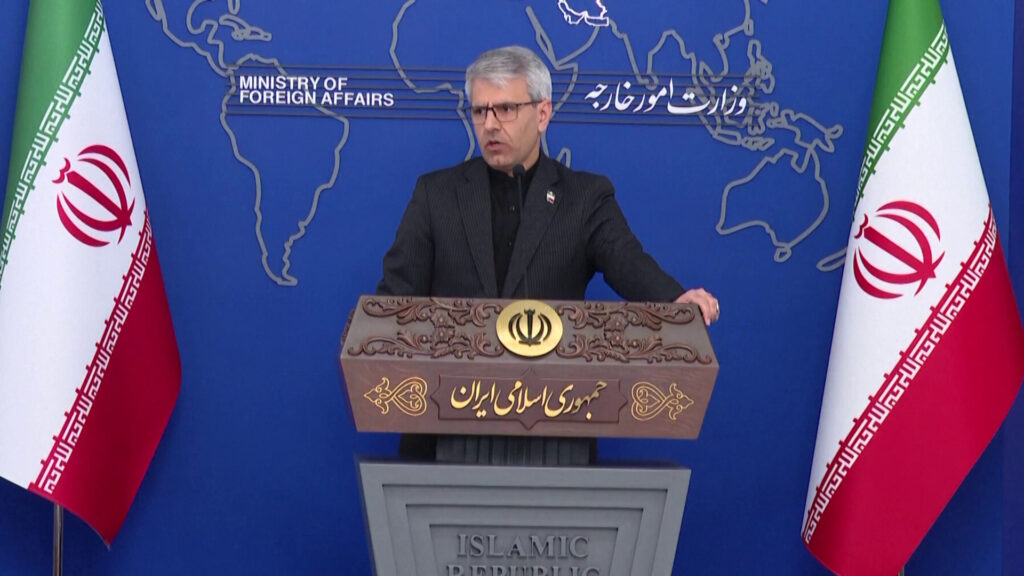
Iran’s Foreign Ministry has officially responded to the recent ceasefire demands issued by the United States, categorizing them as ‘excessive, unrealistic and unreasonable.’ The spokesperson for the Iranian Foreign Ministry voiced strong opposition to the conditions set forth by the US, emphasizing that Tehran cannot accept terms that do not respect its sovereignty and strategic interests.
According to the spokesman, the proposals presented by the United States fail to address the core concerns of Iran and overlook significant regional complexities. The ministry highlighted that the conditions proposed appear to be designed unilaterally, without adequate consultation or consideration of Iran’s perspective.
This rejection comes amid escalating tensions in the region and ongoing international efforts to de-escalate conflicts through diplomatic means. Iran insists that any ceasefire agreement must be mutually agreed upon and founded on principles of fairness and respect for national interests.
The Foreign Ministry spokesman remarked that peace and stability in the region are paramount but underscored that imposing stringent and one-sided demands will not contribute to these goals. Instead, he called for more balanced negotiations and a genuine dialogue that incorporates the realities on the ground.
This stance signals continued challenges in reaching a ceasefire consensus, with Iran maintaining a firm position despite mounting diplomatic pressure from the United States and its allies. Observers note that Iran’s rejection of the US conditions may lead to prolonged diplomatic stalemates, complicating peace efforts.
The United States had previously outlined a series of conditions it deemed necessary for a ceasefire, which include a halt to support for militant groups and assurances of cessation of hostile activities. However, Iran has historically resisted such demands, viewing them as infringements on its right to national defense and influence in regional matters.
Analysts suggest that this development could further deepen the mistrust between the two nations, impacting broader geopolitical dynamics in the Middle East. The refusal to accept the US terms underscores the divergent approaches each country takes toward achieving security and stability in the region.
International diplomatic channels remain engaged, with other countries and organizations attempting to mediate and propose alternative frameworks for negotiations. Despite the current impasse, there is an ongoing interest in finding a middle ground that can facilitate a durable ceasefire.
In summary, Iran’s Foreign Ministry spokesperson’s declaration that the US ceasefire demands are excessive and unrealistic highlights the complex diplomatic challenges in resolving conflicts in the Middle East. The insistence on mutual respect and equitable conditions remains a critical factor in future peace talks. Both sides face the difficult task of bridging their differences to prevent further escalation and promote lasting regional stability.