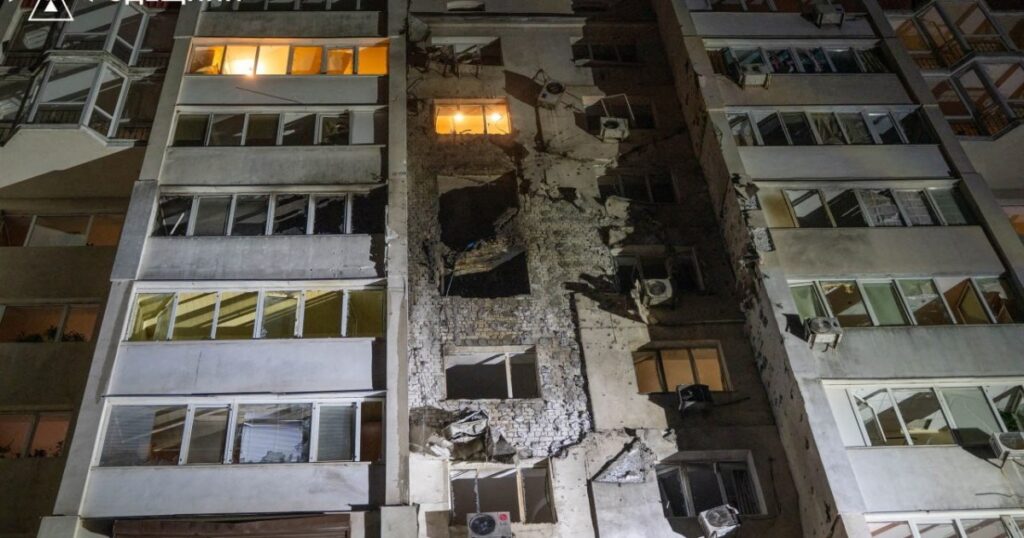
Recent Russian military strikes in Ukraine have resulted in the deaths of four individuals, underscoring the ongoing volatility and human cost of the conflict. These attacks come at a time when hopes for a peaceful resolution to the Ukraine war appear increasingly dim, with negotiations stalling and political tensions escalating.
The violent actions in Ukraine highlight the fragility of regional peace and the persistent challenges in achieving a lasting ceasefire. Despite international efforts to mediate, the situation remains precarious, with both sides entrenched in their positions and civilian casualties mounting.
In parallel developments, US Secretary of State Marco Rubio has publicly voiced a readiness to enhance support for Kyiv amid the conflict. Rubio expressed openness to the diversion of weapons to Ukraine, signaling a strategic move by the United States to bolster Ukrainian defenses and counter Russian aggression.
This stance also reflects the broader geopolitical dynamics at play, particularly concerning Iran. The US attack on Iran has added layers of complexity to the international security environment, and Rubio’s comments suggest that Washington may leverage its military and diplomatic resources to support its allies in the region.
Analysts point out that this potential diversion of weapons could significantly impact both the Ukraine conflict and US-Iran relations. The provision of additional arms to Kyiv might strengthen Ukraine’s military capabilities but also risks escalating tensions with Russia and Iran.
Regional security experts emphasize the need for cautious diplomatic engagement to prevent further destabilization. They call for renewed international efforts to revive dialogue and pursue peaceful solutions to the conflicts simultaneously unfolding in Ukraine and the Middle East.
Russia’s actions in Ukraine and the US’s strategic maneuvers regarding Iran and Ukraine underscore the interconnected nature of contemporary global conflicts. They illustrate the high stakes involved and the urgent need for concerted diplomatic initiatives to avert further loss of life and regional instability.
As the situation develops, international observers continue to monitor the evolving dynamics closely, advocating for measures that promote peace and security. The world watches with concern as the possibility of de-escalation appears increasingly remote, demanding renewed commitments to diplomacy and conflict resolution.
Ultimately, the tragic loss of life in Ukraine and the shifting allegiances and strategies among powerful nations serve as stark reminders of the complexities and human costs inherent in modern warfare. The pursuit of peace remains a critical imperative for all parties involved and the global community at large.