In a significant escalation of conflict, Israeli forces have launched renewed and intensified attacks in southern Beirut, causing widespread concern and condemnation from the international community. The recent military actions mark a sharp increase in violence in the region, exacerbating an already volatile situation.
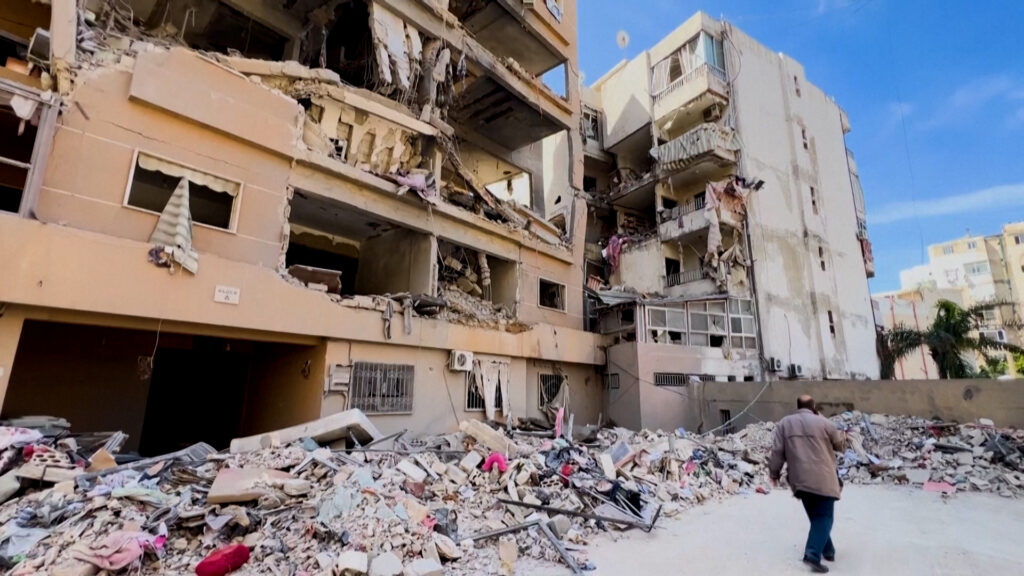
Southern Beirut, a densely populated area, has borne the brunt of the recent offensives. The Israeli military has targeted various strategic locations as part of its operations, leading to extensive damage to infrastructure and residential areas. The attacks have not only resulted in numerous casualties but also sparked fears of further destabilization in Lebanon.
The United Nations has issued a stark warning regarding the deteriorating humanitarian situation in Beirut and surrounding regions. UN officials have expressed grave concern over the possibility of an imminent humanitarian catastrophe if immediate measures are not taken to protect civilians and facilitate the delivery of aid.
The intensification of hostilities threatens to overwhelm local healthcare facilities, which are already struggling to cope with the influx of injured civilians. Access to essential services such as food, water, and medical care is becoming increasingly scarce, further compounding the crisis.
International humanitarian organizations are calling for an urgent ceasefire to allow for the safe evacuation of civilians and the establishment of humanitarian corridors. The UN has emphasized the need for all parties involved in the conflict to respect international humanitarian law and ensure the protection of non-combatants.
The political ramifications of the ongoing conflict are far-reaching. Increased violence in Beirut poses a challenge to regional stability, with fears that it could trigger wider confrontations involving neighboring countries. Diplomatic efforts are underway to de-escalate tensions and prevent a broader conflict.
Local residents have expressed terror and uncertainty as the attacks disrupt daily life. Many have reported damage to their homes and displacement, with some seeking refuge in safer areas despite the risks associated with movement in conflict zones.
Analysts suggest that the renewed offensive by Israeli forces could be a response to increased activities by armed groups in southern Lebanon. However, the humanitarian cost of these military operations is becoming increasingly difficult to justify.
The global community is urged to increase support for Lebanon in the face of this crisis, both through diplomatic channels and humanitarian aid. Assistance is needed to address immediate humanitarian needs and to support long-term recovery efforts once the violence subsides.
As the situation in Beirut continues to evolve, close monitoring by international observers and media remains critical. Transparency and accountability in military operations are essential to prevent further loss of innocent lives.
In summary, the renewed Israeli attacks on southern Beirut have intensified an already grave situation, prompting urgent warnings from the UN about a looming humanitarian disaster. The international community faces a critical moment in responding to the crisis to alleviate suffering and promote peace in the region.