In a recent turn of events in the ongoing conflict involving Iran, former U.S. President Donald Trump has publicly criticized NATO for its perceived lack of support in the war efforts against Tehran. Trump’s remarks underscore the heightened tensions and the complex international dynamics surrounding the conflict. Meanwhile, the Iranian Red Crescent has reported that more than 92,600 civilian units across the country have been damaged as a result of attacks attributed to U.S. and Israeli forces. This extensive damage highlights the severe impact of the conflict on civilian infrastructure and the humanitarian challenges faced by the Iranian populace.
Trump’s statement comes amid escalating military engagements and diplomatic strains in the region. He emphasized the need for stronger alliances and criticized NATO’s response as insufficient given the scale of the conflict and the stakes involved. This criticism reflects broader geopolitical debates over the role of international organizations in regional conflicts and the level of support extended to U.S. policies.
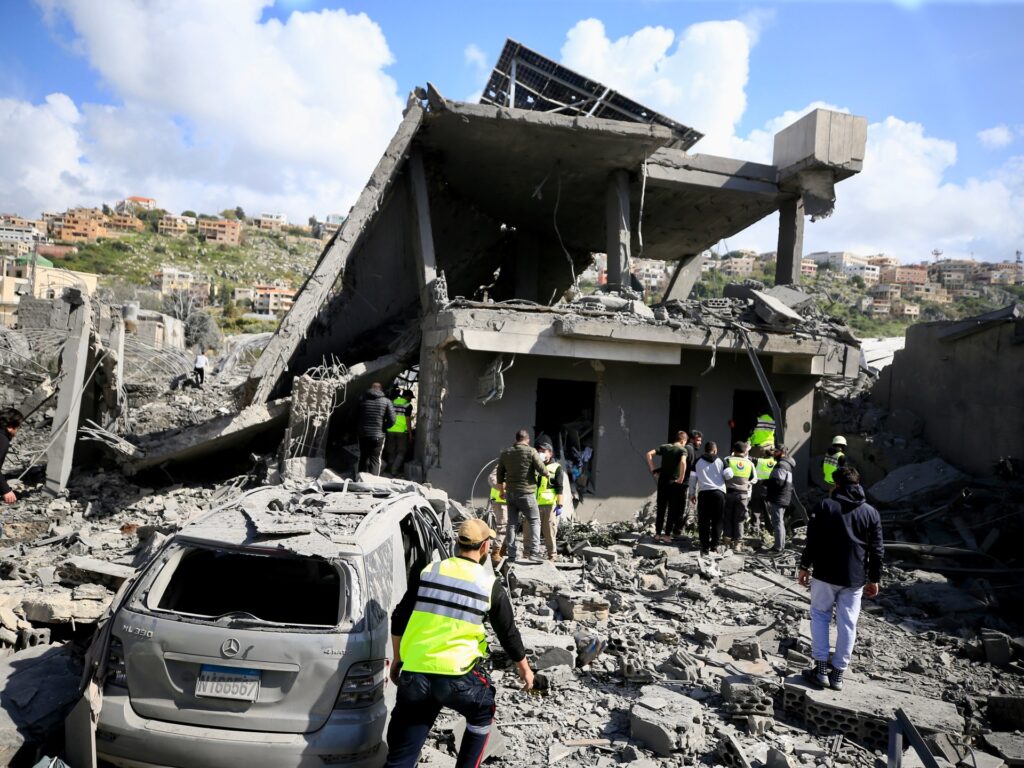
The Iranian Red Crescent’s report provides a sobering look at the civilian toll of the hostilities. Over 92,600 units, including homes, schools, hospitals, and other essential infrastructure, have suffered damage, displacing families and disrupting normal life. The humanitarian situation is dire, with many civilians facing shortages of basic necessities and urgent medical care.
International observers and humanitarian organizations have expressed deep concern over the growing civilian casualties and the increasing destruction of infrastructure. Calls for ceasefires and peace negotiations have intensified as the conflict shows no signs of abating. However, the entrenched positions of the involved parties continue to stall meaningful dialogue.
The damage to civilian infrastructure reported by the Iranian Red Crescent also raises questions about the adherence to international humanitarian law during the conflict. Protection of civilian populations is a key principle of such laws, and the scale of destruction has triggered debates on accountability and the conduct of military operations.
As the situation develops, the international community remains watchful, with diplomatic efforts striving to reduce tensions and prevent further escalation. The coming days and weeks will be critical in determining the trajectory of the conflict and the prospects for peace. Meanwhile, humanitarian aid continues to be a crucial lifeline for those affected, with organizations working under challenging conditions to provide relief.
In summary, the latest developments in the Iran conflict reveal the multifaceted challenges of war — from military strategies and international alliances to the profound humanitarian crisis afflicting millions of civilians. Trump’s critique of NATO underscores the contentious political environment, while the Iranian Red Crescent’s data paints a grim picture of the conflict’s toll on ordinary Iranians. The path forward remains uncertain, but the urgent need for reconciliation and support is undeniable.