Professional golfer Tiger Woods has been arrested on suspicion of driving under the influence (DUI) after his car rolled over in an accident. This incident marks the second time Woods faces charges related to DUI, raising concerns about his personal conduct amid his celebrated sports career.
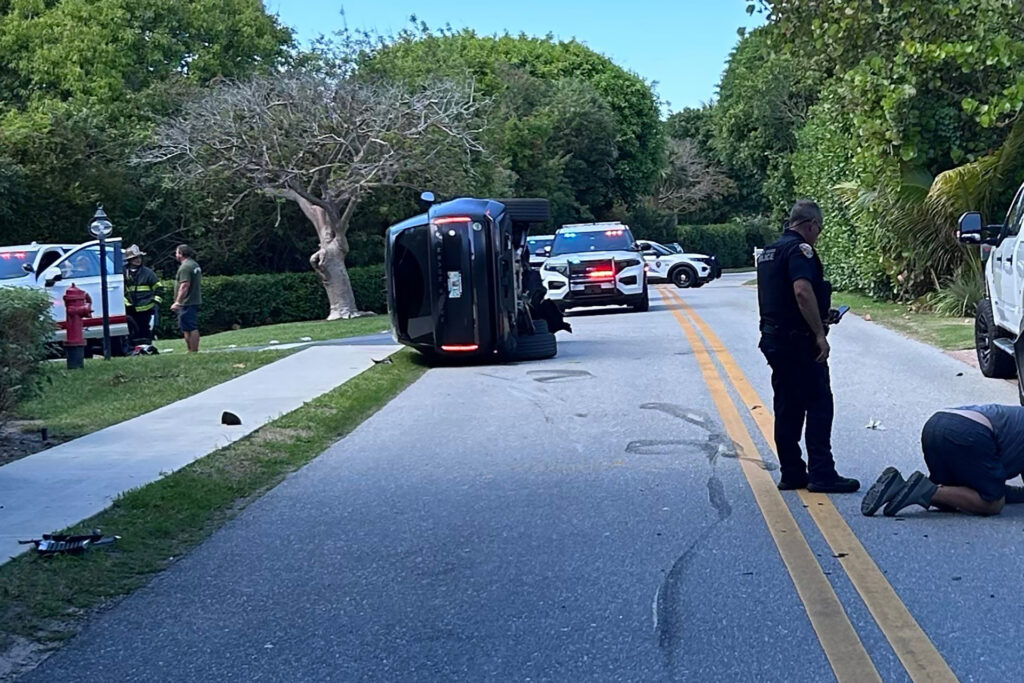
The accident occurred when Woods lost control of his vehicle, resulting in it rolling over. Fortunately, details about his condition following the accident have not been comprehensively disclosed, but police responded promptly to the scene. Authorities have indicated that charges for suspected DUI are being pursued due to evidence suggesting impairment.
This event adds to Woods’ legal troubles regarding driving under the influence. Previously, the professional golfer was charged with DUI, an incident that sparked widespread media coverage and discussions about the pressures faced by athletes.
Experts note that DUI charges carry severe legal consequences, including fines, license suspensions, and possibly jail time. They also highlight the importance of seeking proper help to address underlying issues that may contribute to impaired driving.
Fans and fellow athletes have expressed mixed reactions, with many hoping Woods receives the support needed to overcome his challenges, while also emphasizing the need for accountability. The golfing world is watching closely as the situation develops.
Further details are expected as the investigation proceeds and legal processes unfold. Woods’ representatives have not yet made an official statement regarding the recent incident.
This arrest raises broader questions about the impact of personal struggles on professional athletes and the importance of mental health and responsibility in sports. It also underscores the ongoing issue of impaired driving nationally and the efforts needed to combat it.
As the case progresses, more information will likely become available, shedding light on the circumstances surrounding the accident and the subsequent arrest. Meanwhile, the sports community rallies in support of safety and responsibility, hoping for a positive outcome for all involved.