In recent developments, Israel has been pushing for the use of increased military force in response to ongoing security concerns. This initiative comes in the face of public opinion within Israel, where there is significant support for stronger actions to ensure safety and stability. The Israeli public has expressed a clear preference for the use of more force, reflecting heightened anxieties and a desire for decisive measures.
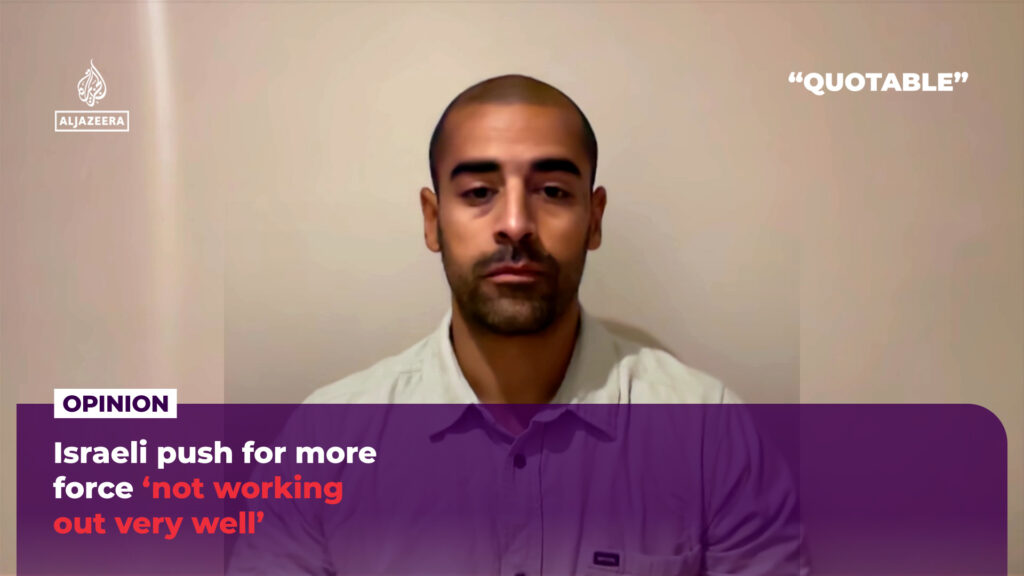
However, despite the public’s backing, the push for more forceful intervention has encountered notable difficulties. Analysts and officials report that the strategy is “not working out very well,” signaling challenges in implementation and effectiveness. These issues could stem from operational constraints, unexpected resistance, or the complex nature of the security environment in the region.
The gap between public sentiment and the practical outcomes of increased military force highlights a dilemma for Israeli leaders. They are tasked with balancing the demand for decisive action against the realities on the ground, which may complicate military operations and risk escalation.
Experts suggest that a reliance solely on force might not yield the desired security outcomes and could potentially lead to further instability. Calls for a more nuanced approach, combining diplomatic efforts with strategic military actions, are growing stronger.
This scenario underscores the complexities faced by Israel as it navigates internal public expectations and external challenges in a volatile region. The situation remains fluid, with developments closely watched by both domestic and international audiences.