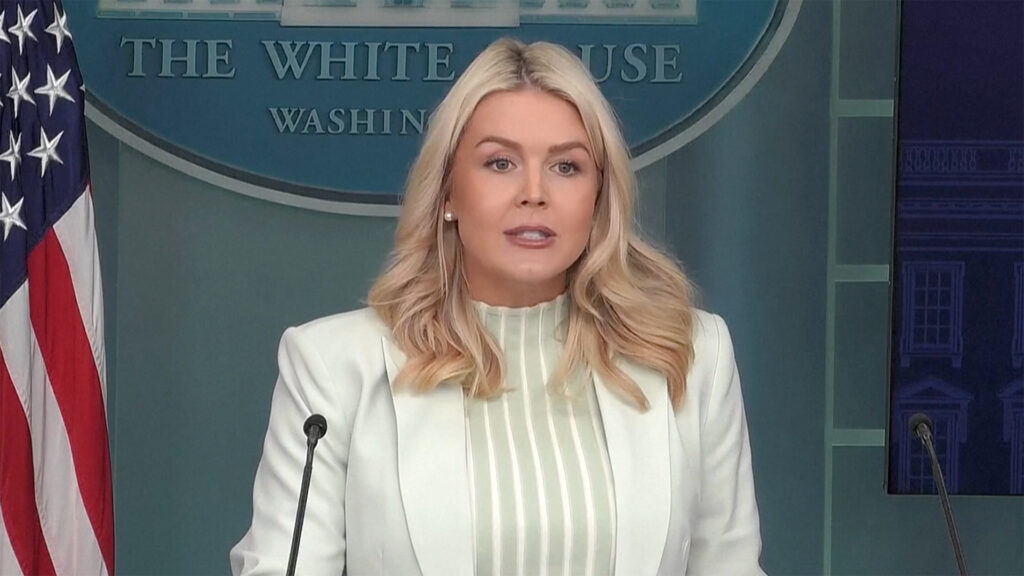
In a highly charged statement, the White House has issued a stark warning to Iran, urging the nation to accept what it describes as a military defeat, or risk facing unprecedented levels of military force. The warning suggests that if Iran does not concede, the United States, under the leadership styled by former President Donald Trump’s approach, will “unleash hell” by escalating its military actions beyond previous measures.
This declaration marks a significant escalation in rhetoric between the two countries, highlighting the continuing tensions in the Middle East region. The backdrop to this warning involves ongoing disputes related to Iran’s nuclear program, regional influence, and various proxy conflicts that have strained US-Iran relations for decades.
The White House’s statement reflects a broader strategy aimed at compelling Iran to reconsider its current stances and behaviors, which Washington views as aggressive and destabilizing. Historically, the US has employed a combination of economic sanctions, diplomatic pressure, and military posturing to influence Iran’s policies.
Experts note that the phrase “unleash hell” is reminiscent of the rhetoric used during Trump’s administration, signaling a potentially more aggressive and confrontational US military posture if diplomatic efforts fail. This could involve heightened sanctions, increased military presence in the region, or direct action against Iranian assets and allies.
Iran, on its part, has consistently denied accusations of aggressive intentions and condemned what it sees as American interference in regional affairs. Iranian officials have urged the US to engage in dialogue without preconditions to ease the tensions.
International observers warn that such heightened rhetoric risks escalating conflicts that have already led to significant instability and suffering in the Middle East. The potential for miscalculation or unintended escalation remains a serious concern among global security communities.
The US warning comes at a time when diplomatic efforts, including indirect talks facilitated by European intermediaries, have been faltering. Both sides continue to hold firm on their demands, complicating prospects for a diplomatic resolution.
United Nations officials have called for restraint and renewed dialogue, emphasizing the need for peaceful solutions to prevent further destabilization of the region.
This development is a critical moment in US-Iran relations, signaling a possible shift towards a more confrontational approach if Iran does not comply with US demands. The international community watches closely as tensions rise, hoping to avoid a further escalation that could have far-reaching consequences.
In conclusion, the US stance as articulated by the White House is clear: Iran must accept defeat in the ongoing conflicts or face a more severe military response than ever before. How Iran responds to this ultimatum could define the trajectory of Middle Eastern stability in the months and years to come.