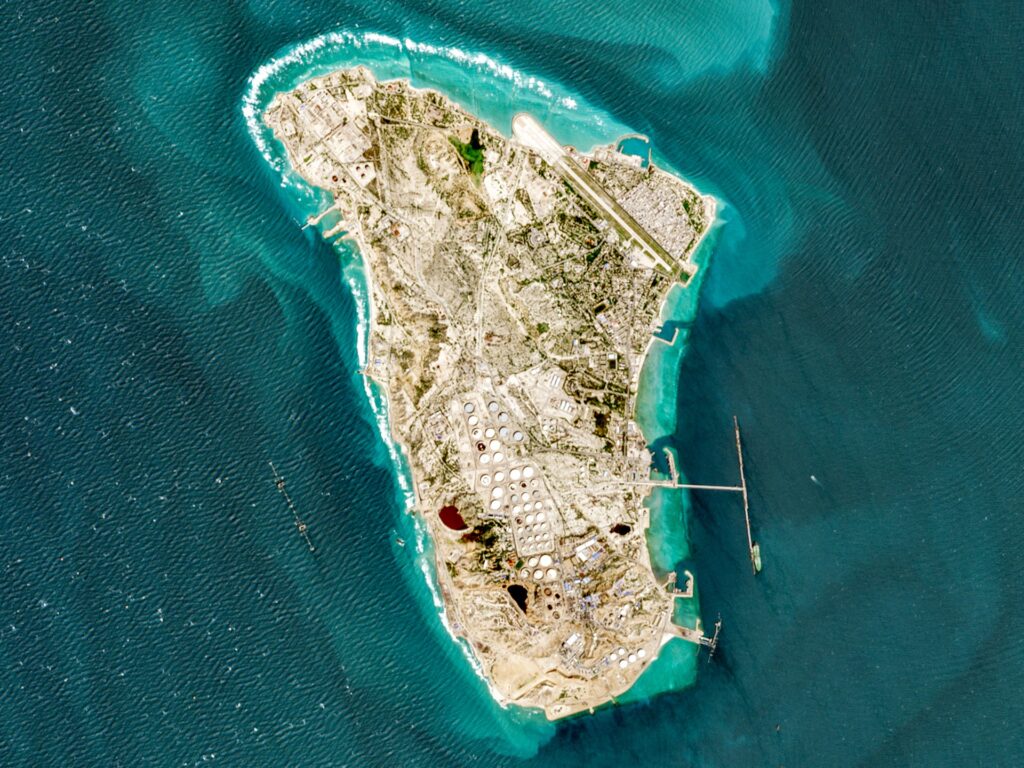
In a recent and stern development, Tehran has issued a warning to a regional neighbour concerning any attempts to occupy an Iranian island. This unprecedented alert reflects mounting tensions in the region as political and military activities intensify. The speaker of Iran’s parliament has notably voiced this threat, signaling a firm stance against any foreign encroachment into Iranian territorial waters or lands.
This warning comes at a time when the United States administration is actively engaging in peace talks, aiming to ease regional conflicts. Paradoxically, while diplomatic efforts for peace are underway, the US is reportedly deploying additional troops to the area, indicating a complex and potentially volatile geopolitical environment.
Iran’s parliament speaker’s strong language underscores a broader narrative of national sovereignty and defense against perceived external threats. The statement serves as a deterrent, making clear Iran’s readiness to confront any military incursions or occupation attempts.
The specific island in question has not been named in official communications, but the region is known for its strategic and economic importance, which includes critical shipping lanes and natural resources. Control over such islands has long been a contentious issue among neighbouring countries, often leading to diplomatic strains or military skirmishes.
Analysts suggest that Tehran’s warning aims not only to assert control but also to rally domestic support amid regional uncertainties. It reflects ongoing challenges Iran faces with multiple neighbours and the broader international community, balancing between defense commitments and diplomatic engagements.
This situation is further complicated by the US’s dual approach of pursuing peace talks while increasing troop presence. Such actions may be interpreted by Iran as provocative, potentially escalating tensions and undermining diplomatic efforts.
Regional observers caution that any miscalculation or misunderstanding could lead to conflict escalation, affecting not just the neighbouring countries but the broader Middle East stability. The international community, especially stakeholders with interests in the region, are closely monitoring the developments.
In conclusion, Tehran’s warning is a critical reminder of the fragile peace and the complexities inherent in regional politics. It highlights the need for cautious diplomacy, respecting territorial sovereignty, and addressing security concerns through dialogue rather than confrontation. How this warning and the US’s military commitments will influence the geopolitical landscape remains to be seen, with potential implications for regional security and international relations.