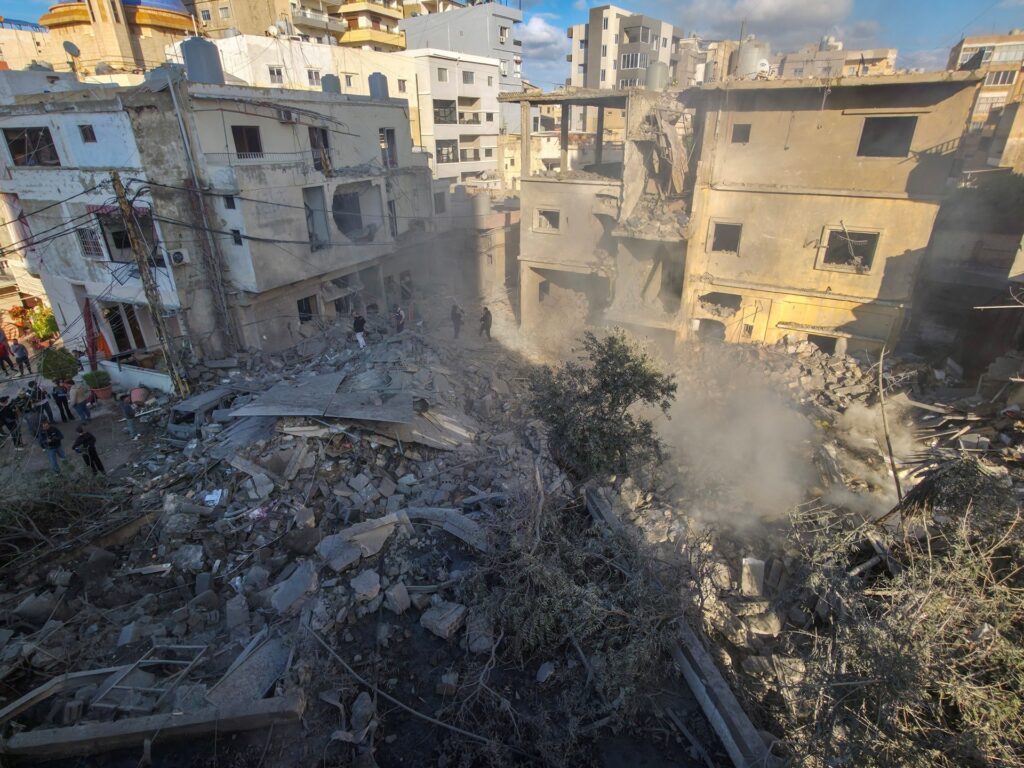
In a significant and rare move among European leaders, Spain’s Prime Minister, Pedro Sanchez, has vocally condemned Israel’s military actions in Lebanon and Gaza, drawing attention to the escalating conflict and its devastating consequences. Sanchez warned that Israel is poised to inflict on Lebanon the same level of destruction it has wrought on Gaza, highlighting the severity of the ongoing hostilities.
The conflict, which has drawn widespread international concern, involves a complex web of geopolitical tensions, including a broader US-Israeli campaign directed against Iran. Spain’s Prime Minister is among the few Western leaders openly criticizing the aggressive military strategies employed by Israel in this volatile region.
Sanchez’s remarks come amid rising casualties and destruction in Lebanon, following Israel’s intense military operations. The Spanish leader’s stance reflects not only humanitarian concerns but also a strategic call for de-escalation and dialogue to prevent further bloodshed.
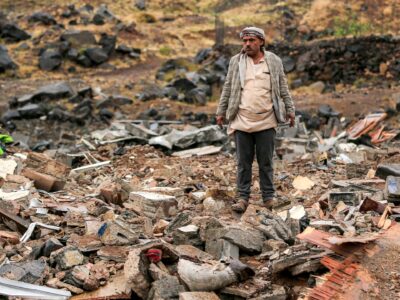
Lebanon, like Gaza, has witnessed significant infrastructure damage and civilian suffering, and Sanchez’s comparison underscores the urgent need for international attention and intervention. His position emphasizes the disproportionate impact of military campaigns on civilian populations and the potential for a larger regional conflict if tensions continue unchecked.
This condemnation from a prominent European leader could influence broader EU policy discussions and shape international responses to the crisis. Spain’s call for restraint and respect for international law resonates with global calls for peace and stability in the Middle East.
In addition to addressing the immediate consequences of the conflict, Sanchez’s comments also implicitly criticize the broader US-Israeli strategy against Iran, suggesting that the regional hostilities are part of a larger geopolitical contest that risks further destabilization.
The Spanish Prime Minister’s vocal opposition may encourage other European countries to reevaluate their positions and policies regarding the Middle East conflict. His leadership could pave the way for a unified European diplomatic effort aimed at conflict resolution and humanitarian relief.
International organizations and human rights groups have also echoed concerns about the humanitarian crisis unfolding in Lebanon and Gaza. The destruction and loss of life have prompted urgent calls for ceasefires and the delivery of aid to affected populations.
As tensions remain high, the situation in Lebanon and Gaza continues to be a focal point for international diplomacy. Spain’s Prime Minister Pedro Sanchez’s condemnation of Israel’s actions marks a pivotal moment in European political discourse on the conflict, emphasizing the need for peaceful solutions and sustained international engagement.
This stance highlights the critical importance of balancing security concerns with respect for human rights and international law. It serves as a reminder that the cost of war extends far beyond the battlefield, affecting millions of civilians caught in the crossfire.
Moving forward, diplomatic efforts will likely intensify as the international community seeks pathways to de-escalate the conflict and provide relief to those most affected. Spain’s leadership could be a catalyst for renewed dialogue among conflicting parties and an advocate for a comprehensive peace process.
The coming weeks will be crucial in determining the trajectory of the conflict and the potential for a diplomatic breakthrough. The international community watches closely as leaders like Pedro Sanchez call for accountability, restraint, and a commitment to peace in one of the most volatile regions of the world.