In an unprecedented development, Israel and the United States have launched extensive strikes across multiple locations in Iran. This significant military action comes as tensions in the Middle East escalate and follows a strict ultimatum issued by US President Donald Trump. Known for his firm foreign policy stance, President Trump had set a 48-hour deadline that is now nearing its expiration, escalating the situation into a critical phase.
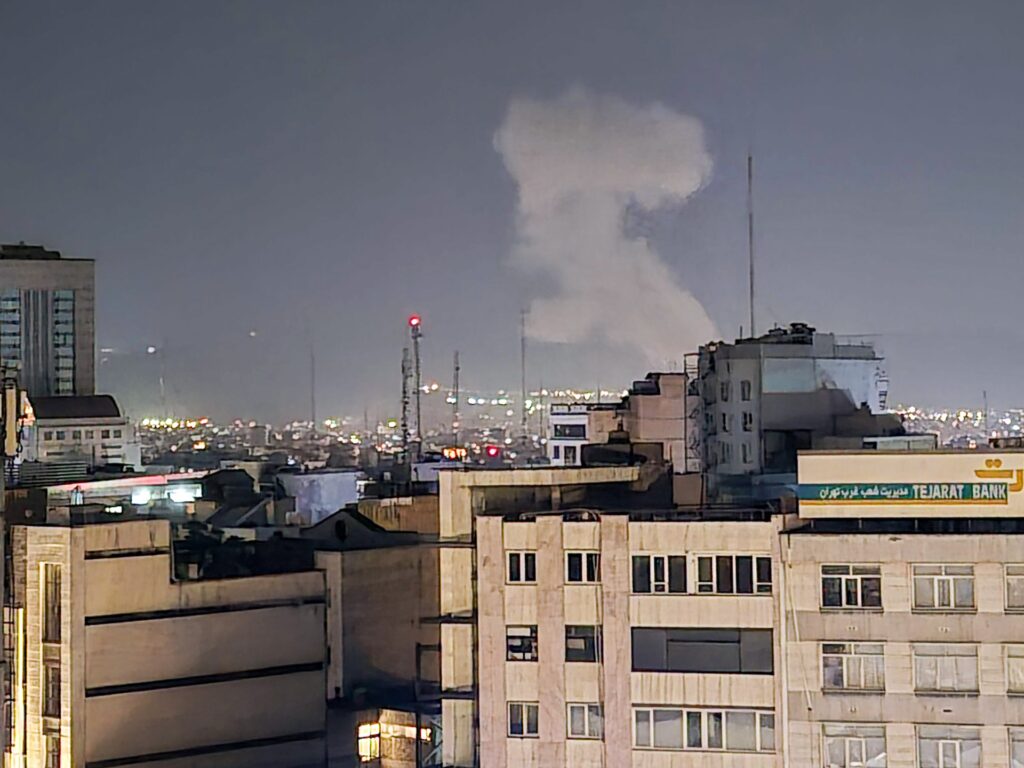
The strikes targeted strategic sites across Iran, with Tehran reportedly suffering from ‘a wide-scale wave of strikes.’ Officials have described the operation as one of the most coordinated and expansive military engagements in the region for years. Though full details are still emerging, these actions signal a major shift in the dynamics of US-Israeli-Iranian relations.
This operation marks a rare occasion where two key US allies coordinated their military responses so closely. Israel’s involvement underscores its strategic concerns about Iranian influence and nuclear ambitions in the region. The US, on the other hand, continues to enforce strong measures to counter what it views as destabilizing Iranian activities.
Residents in Tehran reported hearing multiple explosions and witnessing smoke rising over several neighborhoods. The strikes reportedly targeted military bases, command centers, and suspected nuclear facilities. While the scale of casualties and damage remains unclear, the impact of these attacks is expected to have both immediate and long-term consequences.
International reactions have varied, with some countries expressing support for the actions based on concerns regarding Iran’s regional influence and others calling for restraint and diplomacy to prevent further escalation. The United Nations and several European nations have urged all parties to de-escalate tensions and return to dialogue.
This aggressive move by Israel and the US follows months of mounting friction, including economic sanctions, cyberattacks, and proxy conflicts involving Iranian-supported groups across the Middle East. The strikes themselves may be intended to send a clear message about the limits of tolerance for Iran’s nuclear program and regional activities.
Analysts warn that these unprecedented strikes may spark a series of retaliatory actions and possible escalation into broader conflict. Military experts emphasize the need for careful monitoring of developments and call for international diplomatic engagement to prevent further hostilities.
President Trump, while firm in his stance, has indicated a willingness to negotiate if Iran meets certain conditions, though the window for diplomacy now appears narrow. Meanwhile, Israel remains vigilant, ready to respond to any perceived threats stemming from Iran.
The coming days are critical as the world watches anxiously to see how Iran will respond to these strikes. The potential ramifications include shifting alliances, economic disruptions, and changes to the security architecture of the Middle East.
This unfolding situation underscores the complex interplay of diplomacy, military power, and strategic interests that define contemporary geopolitics. The unprecedented nature of these joint strikes highlights the seriousness with which the US and Israel view Iranian actions and the lengths to which they are willing to go to counter them.