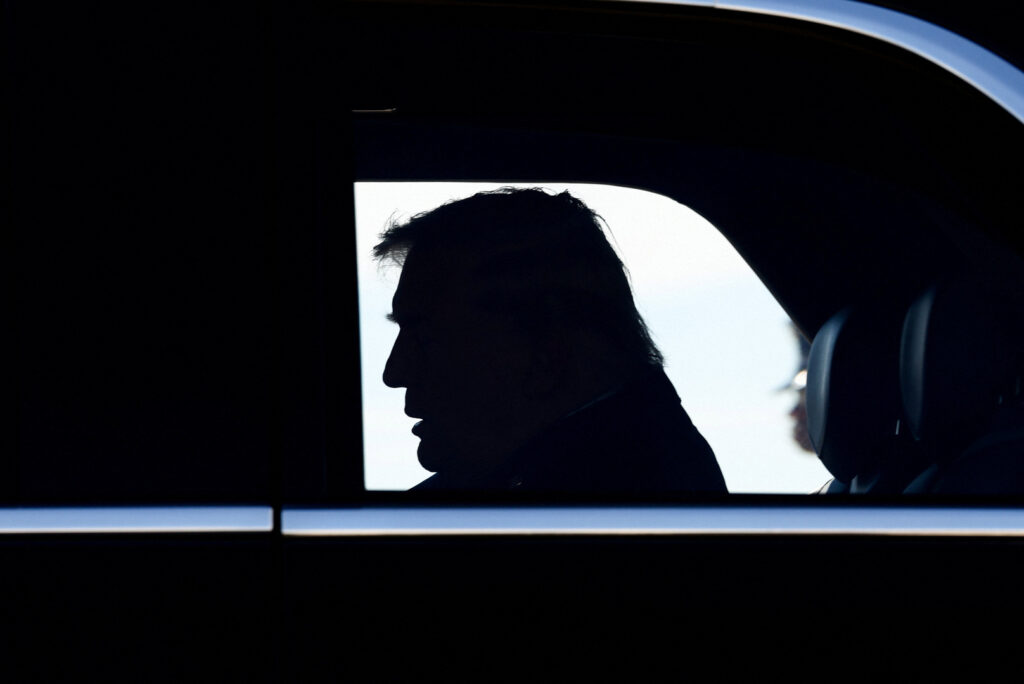
U.S. President Donald Trump sits inside a vehicle upon arrival at Memphis Air National Guard Base in Memphis, Tennessee, U.S., March 23, 2026. REUTERS/Kevin Lamarque
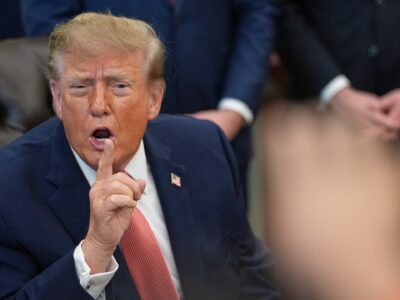
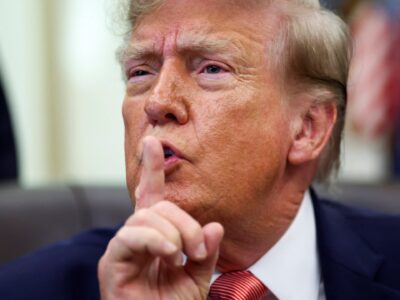
In a significant development, former U.S. President Donald Trump announced the postponement of planned military strikes on Iran’s power plants. This decision came amid escalating tensions between the two nations. Following the postponement, Trump revealed that Iran contacted him with an intention to negotiate, indicating a potential opening for diplomatic discussions. Trump highlighted that the Iranian leadership reached out to make a deal, which led to the reassessment of the military approach. The postponement and subsequent revelations marked a notable shift in the U.S. stance, suggesting an avenue for reducing hostilities through dialogue rather than immediate conflict. Trump emphasized the importance of taking a strategic pause to explore diplomatic options, reflecting a critical moment in U.S.-Iran relations. This move was seen by analysts as a pragmatic step to avoid further escalation and to potentially pave the way for a more stable regional environment. The announcement was met with mixed reactions, with supporters applauding the restraint and critics questioning the motives behind the delay. Overall, Trump’s statement after postponing the strikes underlined a complex interplay of military readiness and diplomatic engagement aimed at addressing the longstanding tensions with Iran.