The ongoing conflict involving Iran has intensified as Tehran has issued a stern warning to completely close the strategic Strait of Hormuz if its power plants are attacked.
In a significant escalation, Iranian authorities have declared that any assault on its power infrastructure will result in the closure of Hormuz, a vital chokepoint through which a substantial portion of the world’s oil supply passes. This threat highlights the high stakes and potential for disruptions in global energy markets.
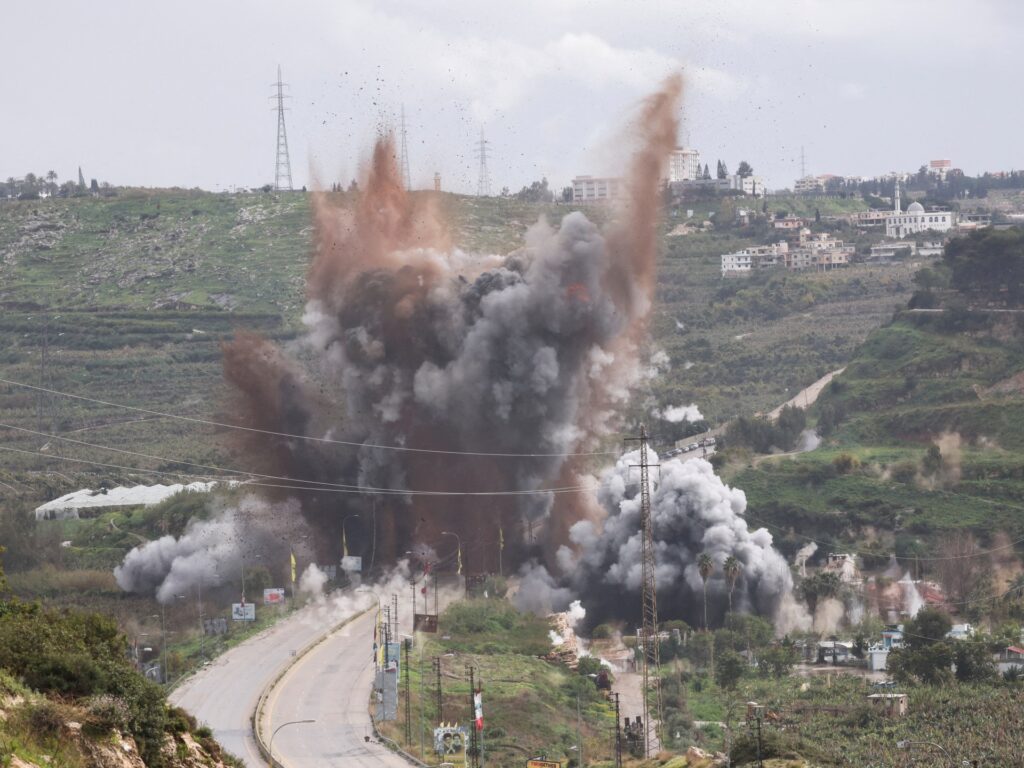
Parallel to Iran’s warnings, the conflict extends beyond its borders, with Israeli forces conducting operations in southern Lebanon. Recently, Israeli military units detonated the Qasimiyah Bridge, a key infrastructure target in the region. This act is seen as a move to disrupt the logistics and mobility of opposing forces in the area.
The attacks by US and Israeli forces on Iranian-linked targets represent a coordinated effort to pressure Tehran and diminish its regional influence. The strikes are part of a broader geopolitical strategy as tensions in the Middle East continue to rise.
Iran’s response, including threats to close Hormuz, underscores the possibility of broader repercussions affecting international shipping and the global economy. The Strait of Hormuz is one of the world’s busiest maritime routes, and its closure could severely impact oil exports from the Gulf, causing significant price volatility worldwide.
This ongoing conflict adds to the complex security challenges in the Middle East, involving multiple state and non-state actors. The situation remains volatile, with the risk of further escalations in the region.
Global powers are closely monitoring the developments, urging restraint to prevent the conflict from spiraling into a larger war. Meanwhile, local populations bear the brunt of the violence and uncertainty resulting from the hostilities.
The international community continues to call for diplomatic solutions to resolve the tensions, emphasizing the need for dialogue and negotiation over military escalation.
As the situation unfolds, the world watches anxiously, aware that the next moves by Tehran, Washington, and Tel Aviv could shape the geopolitical landscape for years to come.
This live coverage will be updated as more information becomes available, reflecting the dynamic and fast-changing nature of the conflict.