As the conflict between the US, Israel, and Iran enters its 22nd day, tensions remain high across the Middle East, with significant developments on several fronts. The ongoing campaign, launched in response to heightened hostilities and escalating threats, continues to shape regional geopolitics and impact global security.
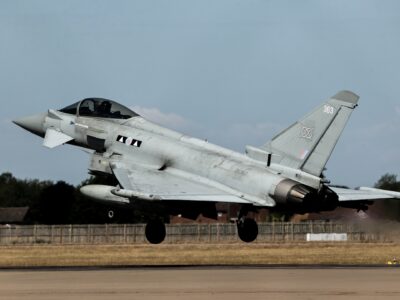
Since the onset of the military operations, US and Israeli forces have targeted strategic locations within Iran, aiming to dismantle key military infrastructure and deter further aggression. Airstrikes and cyber-attacks have been the main instruments of this campaign, causing significant disruption to Iran’s defense capabilities.
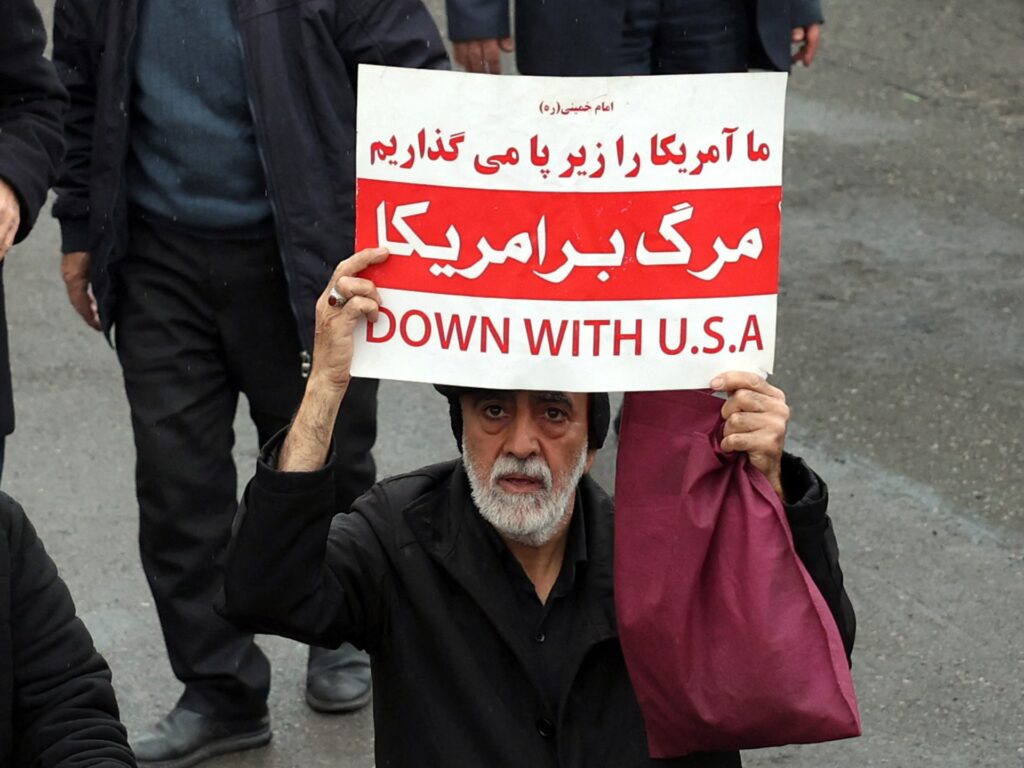
Iran, for its part, has responded with missile launches and proxy actions through allied militant groups in neighboring countries, contributing to the volatility of the region. Major cities such as Tehran and Qom have seen heightened security measures, reflecting the government’s concern over potential retaliation.
Diplomatic channels have remained largely subdued, as international efforts to broker peace face challenges amid deep-seated mistrust and competing interests. The United Nations and other global bodies have called for restraint and dialogue to avert wider escalation.
The humanitarian impact of the conflict is becoming increasingly evident, with reports of civilian casualties and displacement in contested areas. Aid organizations are mobilizing resources to support affected populations, though access remains difficult due to ongoing hostilities.
Throughout day 22, airspace closures and heightened military readiness have been reported across the region, with allied nations stepping up coordination to prevent spillover into neighboring states. Intelligence sharing between the US and Israel has intensified, aiming to preempt further threats.
Economically, the conflict has disrupted oil markets, contributing to price volatility and concerns over energy security worldwide. Sanctions targeting Iran’s economy continue to tighten, further isolating the country on the international stage.
As the situation develops, the international community watches closely, aware that the next steps could dictate the trajectory of Middle East stability. Analysts emphasize the importance of measured responses and renewed diplomatic efforts to prevent an expansive war.
In summary, on day 22 of the US-Israel attacks on Iran, the conflict remains active and complex, involving military, diplomatic, and humanitarian dimensions. The region stands at a critical juncture, with the potential for either escalation or a pathway toward de-escalation hinging on the actions of the involved parties in the coming days.