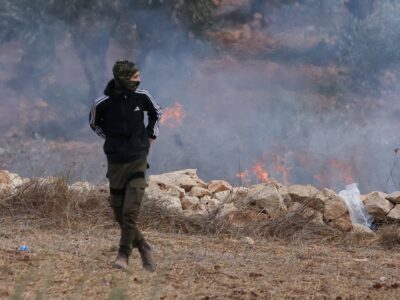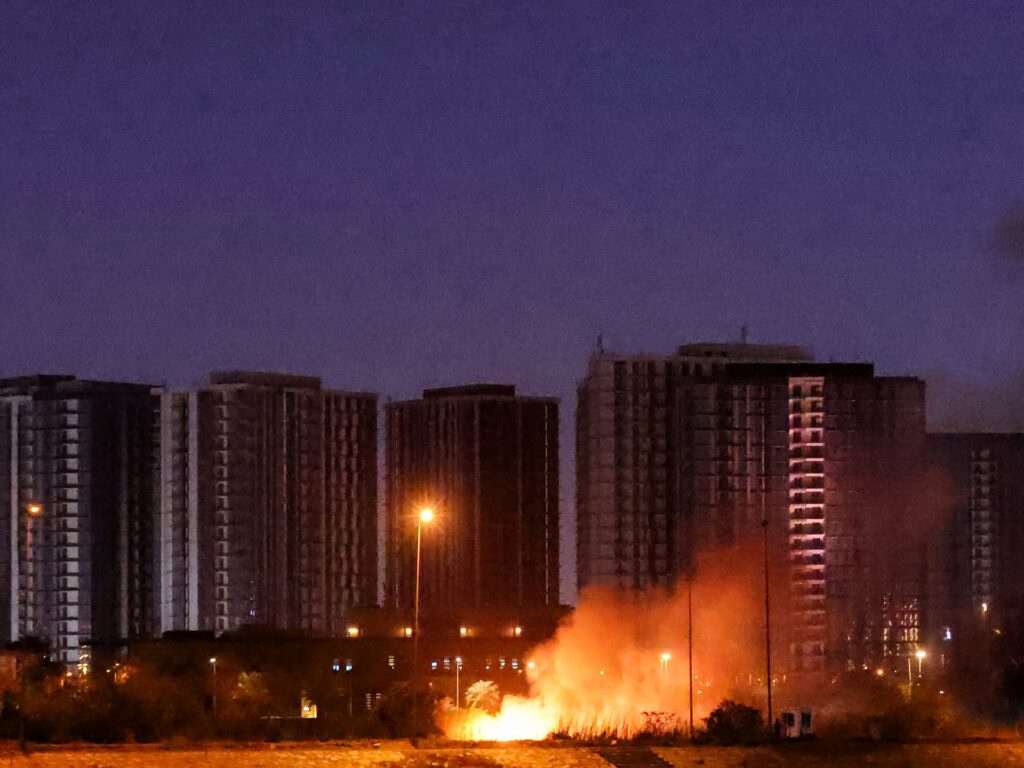
A deadly drone strike occurred near the headquarters of the Iraqi National Intelligence Service in Baghdad, resulting in the death of one police officer. The attack was reportedly carried out by unnamed ‘outlaw groups,’ highlighting growing security concerns in the region.
The incident took place in the capital city of Baghdad, a site that is considered sensitive due to its role as the hub for Iraq’s intelligence activities. The headquarters of the Iraqi National Intelligence Service is a crucial facility, and any attack around this area raises alarm about the capabilities of hostile entities operating within the country.
According to official sources, the drone strike was precise and caused limited physical damage but tragically led to the loss of at least one law enforcement official. The police officer killed was on duty, maintaining security near the intelligence complex.
This attack signals the persistent threat posed by various militant and outlaw groups active in Iraq. Despite ongoing efforts by Iraqi security forces to stabilize the situation, insurgent tactics such as drone strikes add a new and sophisticated dimension to the conflict.
The incident has sparked condemnation from Iraqi authorities and underscores the severity of challenges facing the country’s security apparatus. It also raises concerns about the proliferation of drone technology among non-state actors, which could lead to more frequent and targeted strikes on critical government infrastructure.
In response, the Iraqi government is likely to strengthen counter-drone measures and increase intelligence operations to prevent similar attacks in the future. Cooperation with international allies may also be enhanced to curb the supply and use of such technology by militant groups.
The killing of a police officer near such a pivotal institution has further worsened the security atmosphere in Baghdad. It highlights the risks that security personnel face daily while protecting key government sites.
Iraqi citizens and officials alike express their concerns over these developments. Ensuring the safety of the intelligence service premises is paramount to maintaining the stability and integrity of the nation’s security network.
The broader implications of this strike extend beyond Iraq’s borders. Regional stability could be affected if outlaw groups continue to enhance their capabilities with advanced weapons such as drones.
As investigations unfold, the Iraqi government promises to bring the perpetrators to justice and will bolster efforts to secure the capital city from further attacks.
The attack near the Iraqi National Intelligence Service adds to the growing list of incidents reflecting the intense challenges Iraq faces amid ongoing political and military instability. It serves as a sobering reminder of the difficult path ahead for Iraq in securing peace and security within its borders.