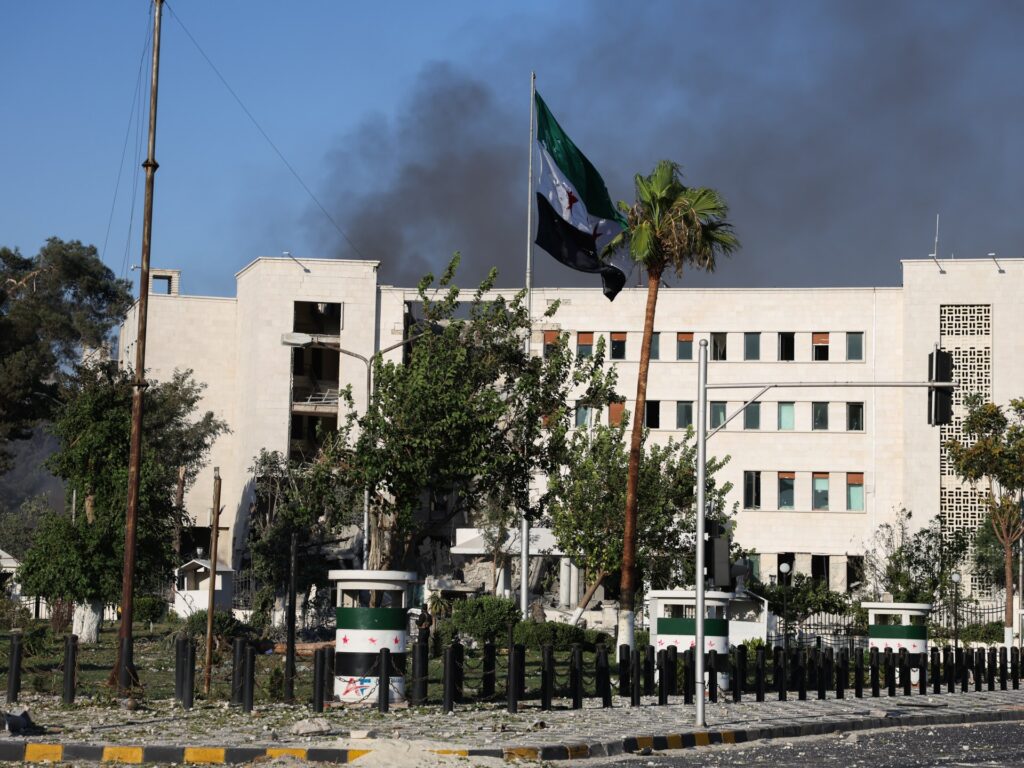
Israel launched air strikes targeting Syrian army camps in the southern region of Syria in response to recent attacks on the Druze community in the Suwayda province. On Thursday, Druze residents were reportedly attacked, prompting a swift military reaction from Israel. According to Israeli officials, the strikes were aimed at military installations believed to be behind or linked to the assaults on the Druze population. This development highlights the ongoing tensions and volatility in the region, particularly concerning the safety and security of minority communities such as the Druze, who have historically faced challenges amid regional conflicts.
The Druze community, an ethno-religious group with a significant presence in Syria, has been increasingly vulnerable amid the country’s prolonged civil war and the complex web of alliances and hostilities among regional actors. The attacks on the Druze in Suwayda have raised concerns over the protection of minority groups in Syria and the potential for further escalations.
Israel’s air strikes reflect its policy of responding decisively to threats and attacks linked to its security interests. While Israel has generally avoided direct involvement in the Syrian civil war, it has maintained a proactive posture against what it perceives as hostile actors operating near its borders or threatening its regional allies. The Syrian government has condemned the Israeli strikes, calling them violations of Syria’s sovereignty and an escalation of conflict in the already fragile region.
International reactions to the air strikes and the initial attacks on the Druze community underline the complicated geopolitical dynamics in Syria. Many countries and organizations have called for restraint and protection of civilians, emphasizing the need for diplomatic solutions to the ongoing conflict. The situation remains fluid, with the potential for further military actions or retaliations that could exacerbate the instability in the region.
The incident also shines a light on the broader struggle for control and influence in southern Syria, where various militias, government forces, and foreign powers have vested interests. The safety of the Druze community is now a focal point amid these power struggles.
As the situation develops, it will be important to monitor responses from all parties involved, including the Syrian government, Israeli military, local ethnic groups, and international actors seeking peace and stability in the area. The recent air strikes could mark a new phase in Israeli operations in Syria, emphasizing swift responses to perceived threats and a willingness to project power beyond its borders to protect its strategic interests.
The targeting of Syrian army camps after the attacks on the Druze community serves as a stern warning from Israel and signals an ongoing commitment to securing the southern frontier against incursions or threats, further complicating the Syrian conflict landscape. This incident underscores the persistent volatility and the challenges in achieving long-term peace and security in the region, where ethnic, religious, and national interests frequently collide.