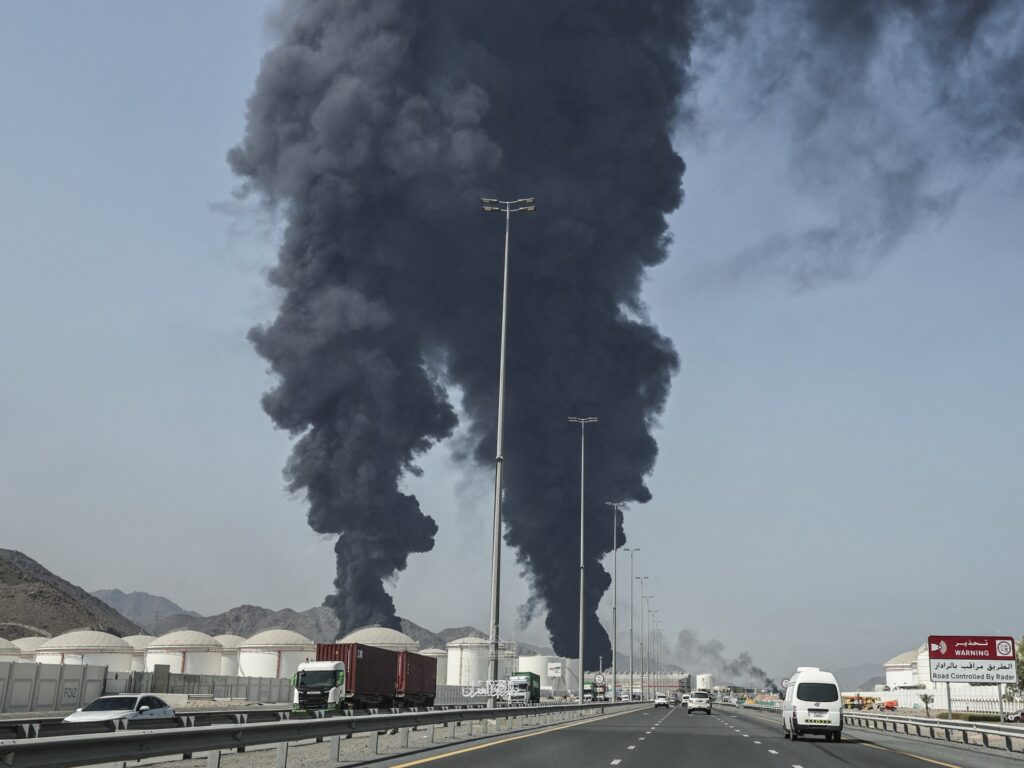
The Gulf region has long been a focal point of geopolitical tensions, particularly between the Gulf Cooperation Council (GCC) states and Iran. As concerns over potential conflicts involving Iran intensify, many Gulf countries have sought assistance from their military allies for protection and strategic support.
The primary military allies of the Gulf states include the United States, the United Kingdom, France, and recently, to some extent, Russia and China, although the latter two are more cautious and selective in their involvement. Among these, the United States stands out as the most significant partner due to its extensive military presence, defense agreements, and long-standing strategic interests in the region.
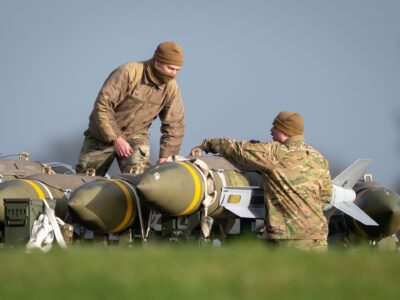
The U.S. maintains several military bases across the Gulf, including in Bahrain, Qatar, Kuwait, and the United Arab Emirates (UAE). These bases facilitate rapid deployment of forces, intelligence gathering, and joint military exercises with Gulf states. The U.S. also provides advanced military hardware, missile defense systems such as the Patriot missile batteries, and cybersecurity support.
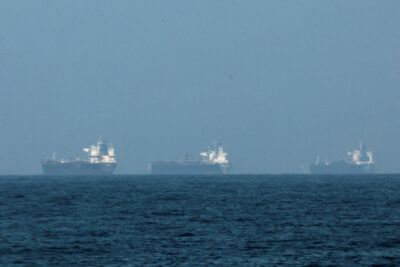
The United Kingdom and France contribute through naval deployments, intelligence sharing, and occasional air support. The Royal Navy and French Navy operate in the strategic waters of the Persian Gulf, demonstrating presence and deterring escalation. Both countries have also strengthened their bilateral defense ties with Gulf nations, conducting joint drills and providing military training.
However, experts comment that while Gulf states seek robust military backing, the nature of support their allies can realistically provide is nuanced. The Gulf’s allies are cautious about getting deeply involved in a full-scale war with Iran, given the risks of regional escalation and global economic repercussions, particularly regarding oil supply.
Many allies focus on defensive and deterrence roles rather than offensive operations. For instance, arms sales and missile defense systems are intended to protect critical infrastructure against Iranian missile strikes rather than to launch proactive attacks. Intelligence cooperation helps in anticipating threats but stops short of committing large-scale combat forces.
Furthermore, political considerations, global geopolitical dynamics, and domestic pressures in ally countries also influence the extent and form of their involvement. Allies prioritize maintaining regional stability and preventing a broader war, sometimes resulting in restrained responses to provocations.
In conclusion, while Gulf states recognize the necessity of support from their powerful military allies to counter Iranian threats, the assistance provided leans heavily toward deterrence, defense, intelligence, and training rather than active offensive engagement in a conflict. As regional tensions persist, the balance maintained by allies seeks to protect Gulf interests without escalating the situation into a wider war.