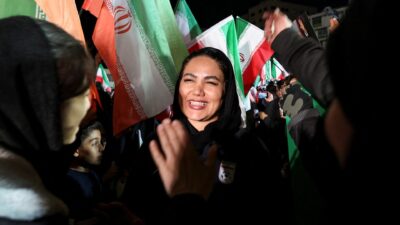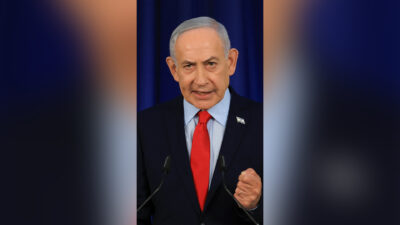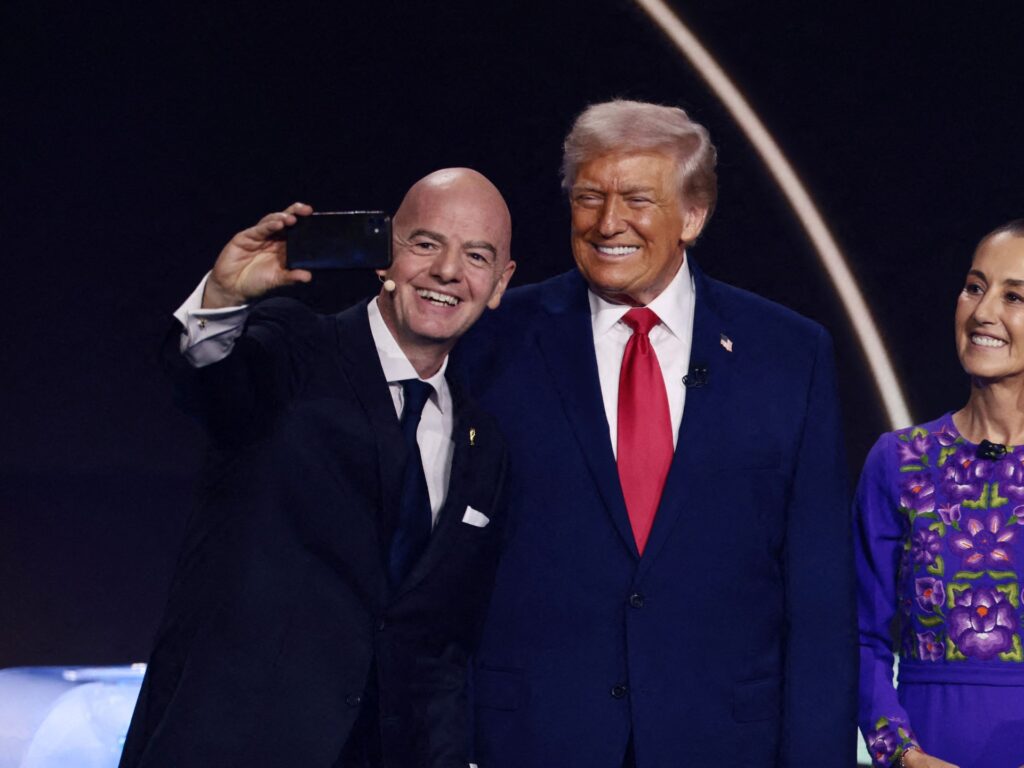
FIFA President Gianni Infantino has recently expressed a significant shift in perspective regarding the role of FIFA in global peace initiatives. In a candid statement, Infantino acknowledged that FIFA, as a sports organization, “can certainly not solve geopolitical conflicts,” marking a departure from earlier optimism about football’s power to foster global peace.
Historically, football has often been seen as a unifying force capable of bridging divides and fostering harmony across cultures and nations. Infantino himself has previously suggested that FIFA could play a broader role beyond sports, contributing to peacebuilding and conflict resolution efforts worldwide. However, recent comments suggest a more pragmatic and restrained approach.
Infantino’s remark came amid ongoing complex geopolitical tensions affecting various regions around the world. As FIFA navigates its role within this challenging landscape, its leadership appears to be focusing on the organization’s core mission—promoting the sport of football and bringing the world together through the game—while acknowledging the limitations of its influence in political arenas.
This shift in stance underscores the reality that, despite football’s universal appeal and ability to unite diverse populations, it cannot single-handedly resolve deeply rooted conflicts that often involve historical, political, and social complexities far beyond the scope of sport.
Experts have noted that while sporting events can provide a temporary platform for dialogue and camaraderie, sustainable peace depends on diplomatic efforts, negotiations, and political solutions crafted by the parties directly involved and supported by the international community.
FIFA’s focus under Infantino’s leadership remains on organizing global tournaments, developing football infrastructure, and promoting youth engagement in sports. While not dismissing football’s cultural significance, Infantino’s comments reflect a careful balancing act between leveraging the sport’s goodwill and recognizing its realistic impact on global peace.
The sports community has largely reacted with understanding to Infantino’s statements, appreciating the transparency and realistic appraisal of the limits of sports diplomacy. As geopolitical conflicts persist, the world looks to leaders across various sectors, including sports, to contribute in meaningful but contextually appropriate ways.
In conclusion, Gianni Infantino’s recent comments signal a nuanced evolution in FIFA’s approach to peace efforts. While football remains a beloved global pastime capable of fostering connections, it will not be positioned as a solution to geopolitical conflicts, reaffirming the need for comprehensive strategies that integrate sport alongside political and diplomatic initiatives.