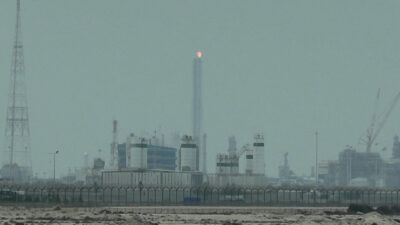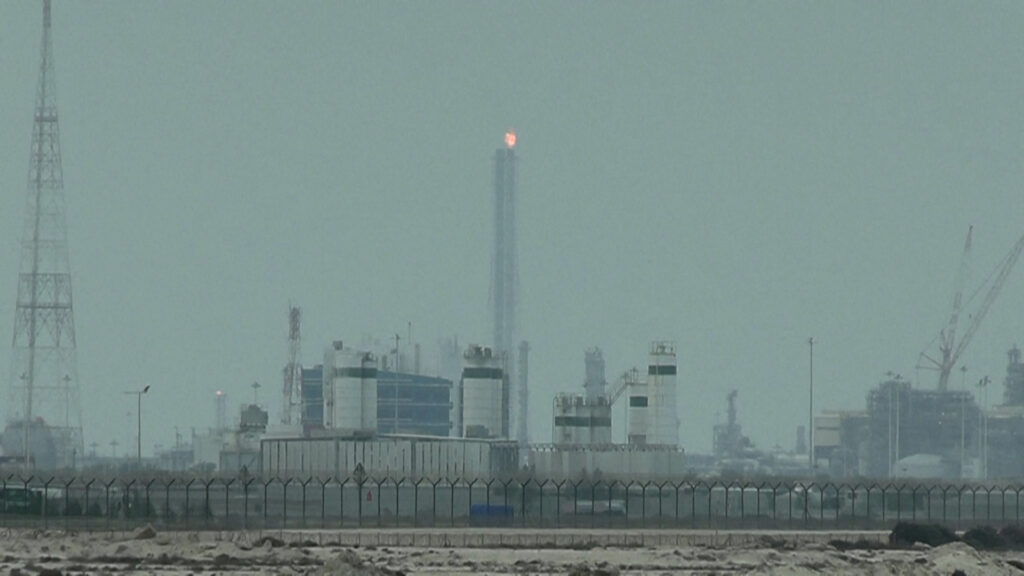
The recent escalation in tensions between Iran and Qatar has significant implications for the global energy market, particularly for gas prices. The conflict began when Israel targeted Iran’s primary gas field, an attack that reverberated across the region. In response, Iran launched an aggressive strike on Qatari gas facilities, intensifying concerns about the stability of gas supplies in the Middle East.
Qatar is one of the world’s largest producers of liquefied natural gas (LNG), and disruptions to its gas fields can have wide-reaching effects on global energy markets. The attack by Iran on Qatari gas infrastructure risks reducing Qatar’s output just as global demand for energy remains high, exacerbating existing supply constraints.
The immediate consequence of these strikes has been a spike in gas prices worldwide. Energy prices tend to react sharply to geopolitical tensions in supply-rich regions, and the Middle East remains a focal point due to its vast energy reserves. Traders and consumers alike are now grappling with concerns over potential shortages that could arise if the conflict escalates further.
This development comes at a time when many countries are trying to stabilize their energy markets amid recovery from the economic shocks caused by the COVID-19 pandemic and ongoing geopolitical uncertainties. The disruption in Qatar not only threatens supplies but also undermines efforts to diversify energy sources and seek sustainable alternatives.
Historically, conflicts in the Middle East have led to volatility in oil and gas markets. The strategic targeting of gas fields underscores the vulnerability of critical energy infrastructure in conflict zones. It highlights the need for more resilient energy systems and international cooperation to manage risks that arise from regional conflicts.
Furthermore, the incident exacerbates the already fraught relations between Iran and neighboring Gulf states, which have broader implications for regional security and economic stability. These tensions could hinder collaborative efforts to ensure energy security and could push global markets toward increased volatility.
International stakeholders are watching the situation closely, as any prolonged disruption in Qatar’s gas production could create ripple effects affecting global energy prices, industrial production, and even geopolitical alliances.
In summary, Iran’s retaliatory attack on Qatar’s gas fields following Israel’s assault on Iran’s main gas field is a pivotal event. It not only affects the immediate regional dynamics but also has the potential to influence global gas prices and energy security. The situation underscores the interconnectedness of geopolitics and energy markets and the pressing need for diplomatic solutions to prevent further escalation and economic fallout.