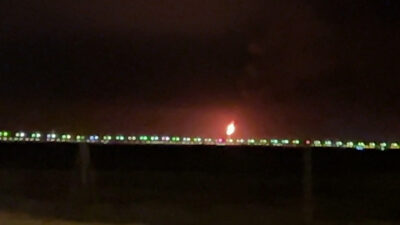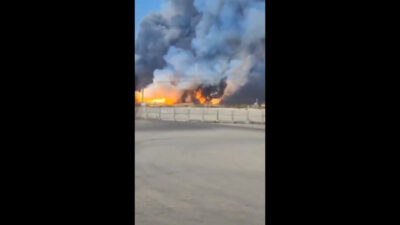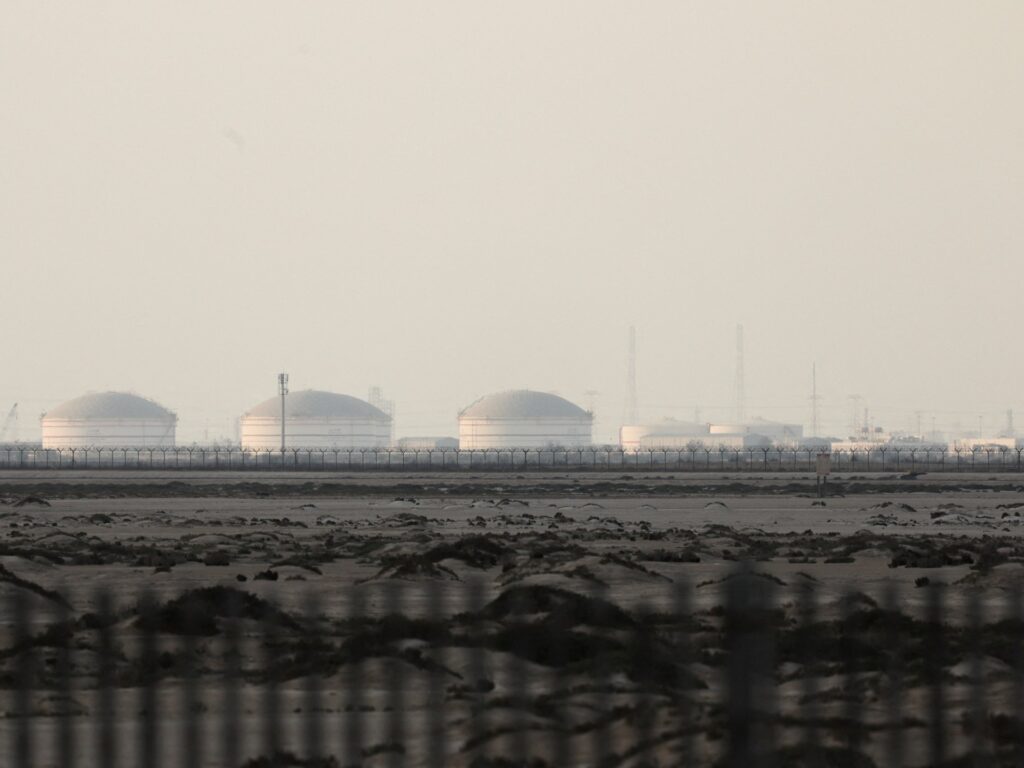
The ongoing conflict in the Middle East has escalated to a new and dangerous phase following Israel’s recent attack on an Iranian gasfield. This strike has sent shockwaves across the Gulf region, prompting a mix of military posturing and diplomatic unease among Gulf states. Saudi Arabia, a key regional power, has issued a stern warning that it is prepared to undertake “military actions, if necessary” in response to threats against its interests and regional stability. This signifies a potential shift from diplomatic rhetoric to active military engagement, further complicating the already volatile situation in the region.
The attack on the Iranian gasfield is seen as a significant escalation, as it directly targets critical energy infrastructure in Iran, a country that has been both a regional adversary and a strategic player in Middle Eastern geopolitics. Iran’s response to this aggression remains closely watched, with concerns that it could trigger retaliatory strikes or broaden the conflict beyond its current scope.
Gulf states, including Saudi Arabia and its allies, find themselves in a complex diplomatic bind. On one hand, these nations desire to avoid full-scale war that could have devastating consequences for the region’s security and economic stability. On the other hand, there is pressure to respond decisively to defend sovereignty and deter further attacks. The balancing act involves maintaining alliances, managing internal political pressures, and navigating the international community’s expectations.
The diplomatic bind is also fueled by the Gulf Cooperation Council’s (GCC) collective concerns about Iranian influence and the potential for escalation into a wider regional conflict. While some states advocate for heightened diplomatic efforts and dialogue to de-escalate tensions, others push for a firmer stance, including possible military intervention.
International actors, including the United States and European Union, continue to urge restraint and call for renewed negotiations to defuse the situation. They emphasize the importance of protecting global energy supplies and maintaining peace in a region critical to the world economy.
The recent developments underscore the fragility of peace in the Gulf and the high stakes involved. The attack on the Iranian gasfield not only disrupts energy exports but also threatens to unravel the delicate balance of power in the Middle East. As Gulf states deliberate their response, the world watches closely, aware that the region’s stability has far-reaching implications.
In conclusion, Israel’s attack on the Iranian gasfield has marked a pivotal moment in the ongoing conflict, ushering in a phase marked by heightened tensions and potential military responses from Gulf states. The coming weeks will be crucial in determining whether diplomatic channels can manage to contain the fallout or if the situation will spiral into broader hostilities with international consequences.