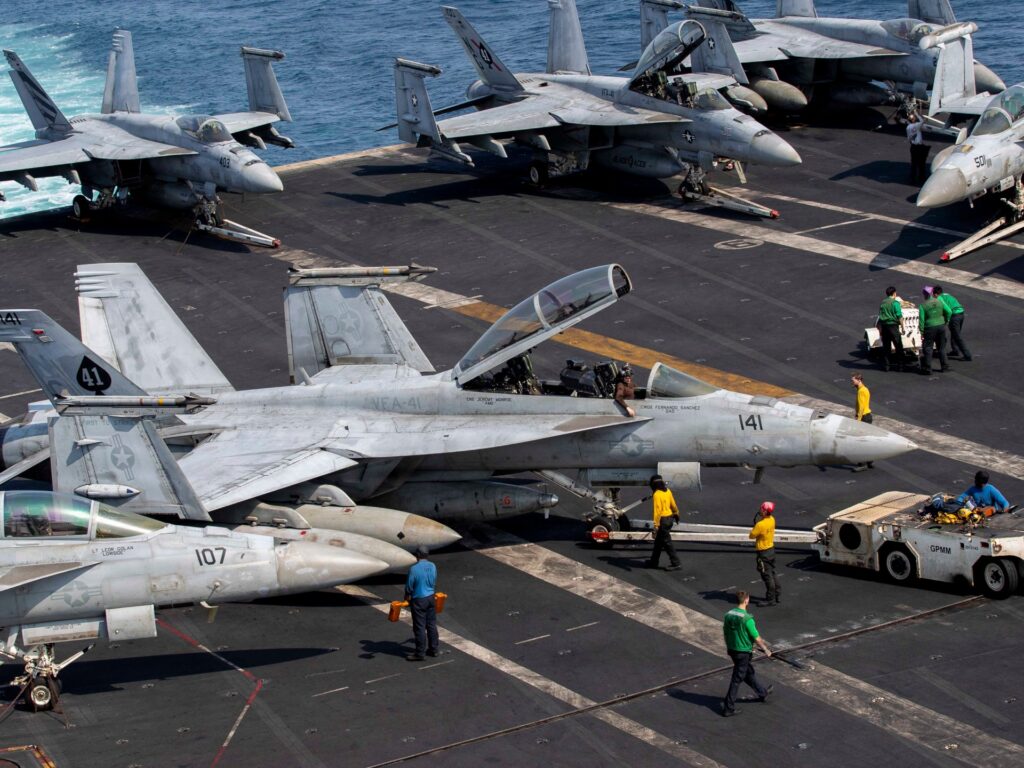
The United States is reportedly considering deploying thousands of additional troops to a volatile region amid escalating tensions linked to the ongoing conflict involving Iran. This strategic move aims to provide the US government, led by former President Donald Trump, with more options to navigate the complex military and diplomatic landscape.
Such a deployment would mark a significant escalation in American involvement, potentially deepening US entanglement in the ongoing conflict. The region, already a hotspot of geopolitical tension, would likely face increased instability as foreign military presence grows.
Reports indicate that the consideration comes as tensions with Iran continue to rise, with the war impacting regional security and international relations. The US military is evaluating the potential benefits and risks associated with increased troop deployments, including the ability to respond swiftly to threats and protect American interests.
Critics argue that sending more troops may exacerbate the situation, trapping the US in a protracted foreign conflict with unclear objectives and consequences. Supporters, however, contend that enhanced military presence could deter aggression, safeguard allies, and help stabilize the region.
The decision also reflects the broader strategic calculations of the Trump administration seeking to assert American power and influence in the Middle East. The potential deployments underscore the complexities of US foreign policy and the challenges of balancing military engagement with diplomatic efforts.
If approved, the troop increase would involve extensive logistical planning and coordination with regional partners to ensure operational effectiveness. The US government must also consider public opinion and the political ramifications of renewed military commitments abroad.
This development adds a new dimension to the ongoing Iran conflict, highlighting the risks of escalating military involvement in a region already fraught with longstanding disputes. Analysts continue to monitor the situation closely, noting that the outcomes of such a deployment could significantly impact the trajectory of regional stability and US foreign relations.