In a significant legal move, several US states have filed a lawsuit against the Trump administration for its revocation of a key scientific finding related to climate change. This finding had served as a foundational element for regulations aimed at addressing environmental challenges caused by global warming.
The scientific finding in question was instrumental in guiding policies to reduce greenhouse gas emissions and implement climate change mitigation strategies. By revoking it, the administration effectively rolled back regulatory efforts designed to combat the adverse effects of climate change.
The states behind the lawsuit argue that the administration’s action undermines critical environmental protections and disregards well-established scientific consensus on climate change. They contend that the revocation threatens public health, safety, and welfare by weakening national efforts to reduce carbon emissions.
This legal challenge highlights ongoing tensions between federal policies and state efforts to combat climate change. Many states have independently pursued aggressive climate actions, including setting emission reduction targets and investing in renewable energy. The revocation by the Trump administration is seen as an obstacle to these state-led initiatives.
Experts emphasize that the scientific finding was based on extensive research and data, providing a credible foundation for environmental regulations. The rollback not only disrupts regulatory frameworks but also raises concerns about the government’s commitment to addressing climate change.
The lawsuit is expected to bring significant attention to the broader debate over environmental policy in the United States. It underscores the critical role that science plays in shaping effective government action to secure a sustainable future.
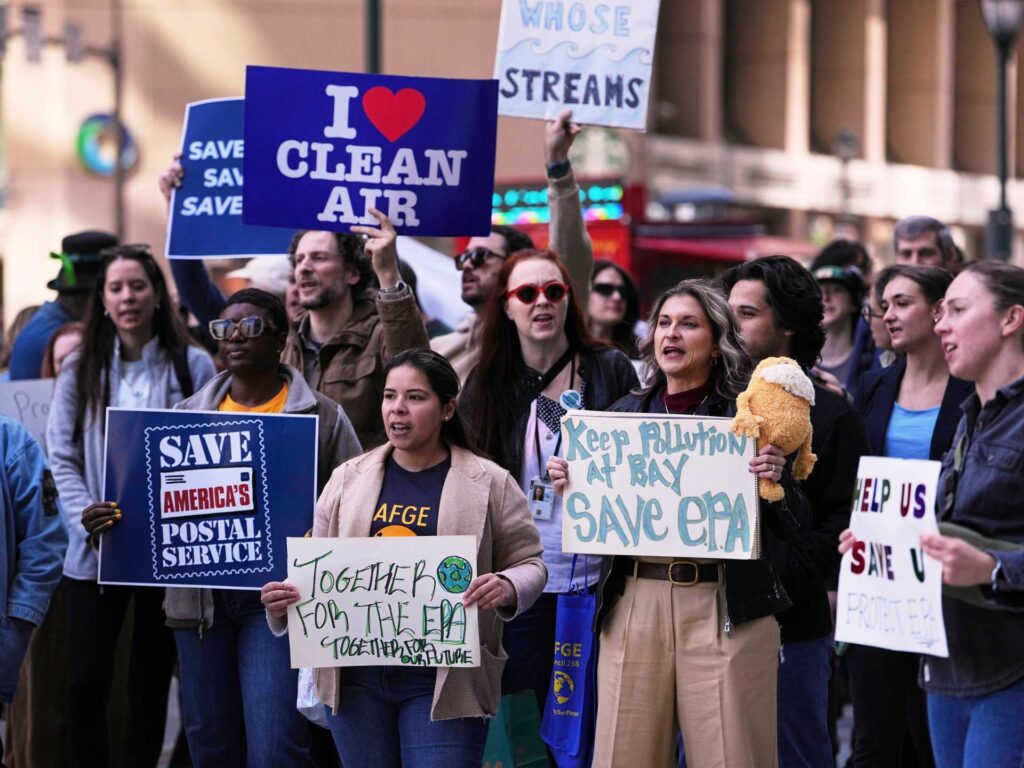
Environmental groups have praised the states’ decision to challenge the revocation, viewing it as a vital step in defending science-based climate policies. They stress the importance of maintaining regulatory tools that can limit harmful emissions and promote clean energy development.
The outcome of the lawsuit could have widespread implications for the country’s ability to meet national and international climate goals. It may influence how future administrations approach environmental governance and balance economic interests with ecological responsibility.
As the case proceeds, it will be closely watched by policymakers, scientists, and the public. Its resolution may set precedents for handling scientific findings in federal rulemaking and reinforce the necessity of grounding environmental regulations in robust evidence.
In summary, the US states’ lawsuit marks a critical response to the Trump administration’s controversial rollback of climate change regulations. It represents a defense of scientific integrity and a commitment to safeguarding the environment against policies that may exacerbate global warming challenges.