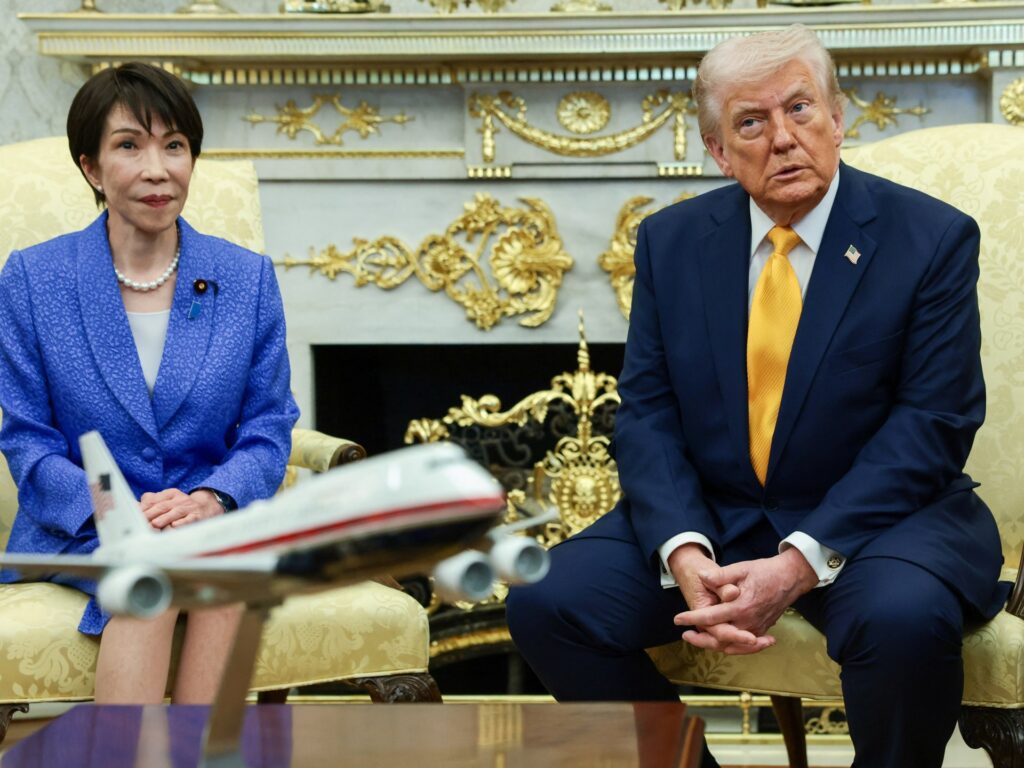
During a recent meeting with the Japanese Prime Minister, US President Donald Trump made a notable reference to Pearl Harbor while discussing Japan’s role in supporting the US concerning ongoing tensions related to Iran. President Trump commented that Japan was “stepping up to the plate” in backing the US in the current conflict dynamics, although he did not provide specific details about the nature or extent of this support.
The mention of Pearl Harbor by President Trump resonated deeply given the historical context of the US-Japan relationship, which was dramatically shaped by the events of December 7, 1941, when Japan’s surprise attack on Pearl Harbor led the United States into World War II. The reference appeared to underline the gravity and importance of Japan’s current commitment from the perspective of the US administration.
This meeting occurred amid escalating tensions in the Middle East, particularly involving Iran, where the US has sought to counter Iranian influence and activities. Japan, traditionally cautious about military entanglements due to its pacifist constitution post-World War II, is seen to be taking a more assertive role in this geopolitical landscape, according to President Trump’s remarks.
Japanese officials have historically maintained a stance of non-belligerence but have increasingly cooperated with the US on security issues in the region. This shifting posture is partly motivated by concerns over regional stability and the protection of crucial maritime routes that are vital to Japan’s energy supplies and economic interests.
President Trump’s use of the phrase “stepping up to the plate” suggests appreciation for Japan’s willingness to support US initiatives, potentially including logistical, intelligence, or economic contributions. However, the lack of specific details leaves many questions about the exact ways Japan might be involved.
This diplomatic dialogue highlights the complex interplay between historical memories, current geopolitical realities, and strategic alliances. The US-Japan alliance remains a cornerstone of security strategy in the Asia-Pacific region, and developments such as these signal evolving roles and responsibilities for both countries in addressing global security challenges.
Observers suggest that Japan’s increased support could signify a gradual shift in its defense policy, potentially paving the way for more active collaboration in global security operations beyond its traditional self-defense framework.
The international community is watching closely as these developments unfold, recognizing the broader implications for US-Japan relations and the stability of the region amid ongoing conflicts and diplomatic negotiations involving Iran.
In summary, President Trump’s reference to Pearl Harbor during the meeting underscores the historical depth and contemporary significance of Japan’s role in supporting the US in the conflict related to Iran, reflecting both a nod to the past and a look forward to new strategic partnerships.