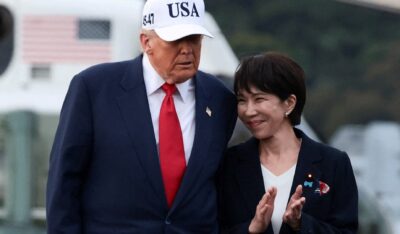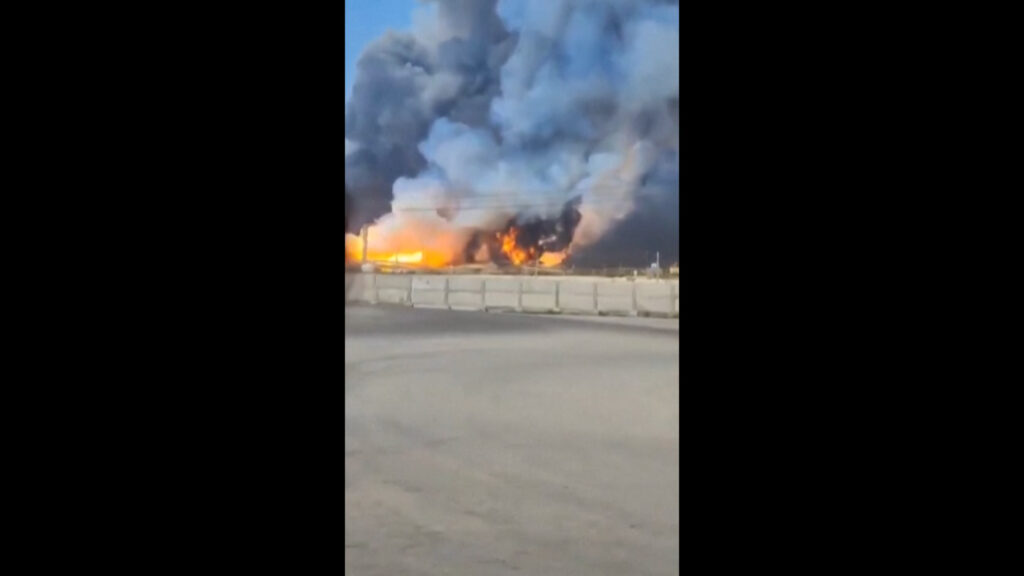
Former U.S. President Donald Trump has publicly denied any knowledge of Israel’s recent strike on the South Pars gas field, a critical energy infrastructure site in the region. The incident, which has escalated tensions in an already volatile area, has drawn significant international attention and concern. Trump emphasized that the United States was not informed about the Israeli operation beforehand, suggesting a lack of coordination or shared intelligence on this operation.
In addition to addressing the attack itself, Trump issued a stern warning to Iran, cautioning the country against targeting Qatar in retaliation or as part of ongoing regional disputes. Qatar, a key player in global energy markets and a close neighbor to the South Pars field, could face instability if regional conflict were to spread.
The South Pars gas field, shared between Iran and Qatar in the Persian Gulf, is one of the world’s largest natural gas reserves and a vital source of energy for both countries and the global market. Damage to this infrastructure could have serious implications for energy prices and geopolitical stability in the Middle East.
Trump’s remarks come amid rising tensions between Israel and Iran, with the latter often accused of backing militant groups and pursuing nuclear capabilities that Israel and its allies view as a significant threat. The denial of prior knowledge by the U.S. raises questions about the coordination and communication strategies among allies in this delicate situation.
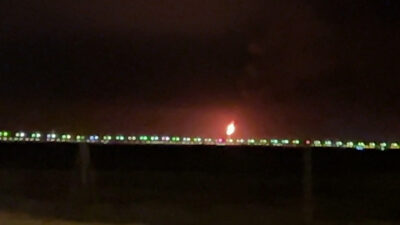
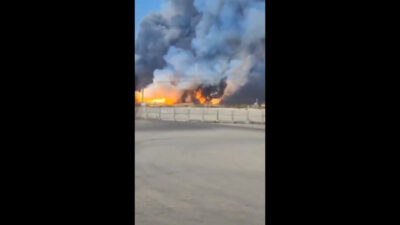
The attack itself is reported to have caused significant disruption, though full details on the extent of damage and casualties remain limited. Analysts highlight that if proven, such strikes could be part of a broader campaign by Israel to undermine Iran’s regional influence and capabilities.
Iran has yet to officially confirm or deny the incident but warned of retaliatory actions if its interests or allies are threatened. The warning from Trump underscores the possibility of further escalation if Iran responds aggressively.
Meanwhile, Qatar’s role as a mediator and major energy producer places it at a delicate crossroads, balancing relations between its powerful neighbors and global economic interests. Trump’s caution highlights the complexity of Middle Eastern geopolitics and the risks associated with military actions on such critical infrastructure.
International response to the strike has been mixed, with some countries calling for restraint and dialogue, while others support Israel’s right to defend itself against perceived threats. The situation remains fluid, and the potential for broader conflict or diplomatic fallout is significant.
In summary, Donald Trump’s denial of prior knowledge about the Israeli strike on the South Pars gas field and his warning to Iran not to target Qatar bring to light the precarious nature of Middle East geopolitics. The incident exposes the risks associated with covert military actions in the region and highlights the vital importance of energy infrastructure that, if attacked, could have far-reaching consequences for regional stability and global energy security.